VikingPharmacy.com - Your Gateway to Health and Medication - Page 2

Vaccine Timing With Immunosuppressants: A Guide for Patients
Learn the critical timing windows for vaccines when taking immunosuppressants. Understand Rituximab, Methotrexate, and guideline conflicts to maximize safety.
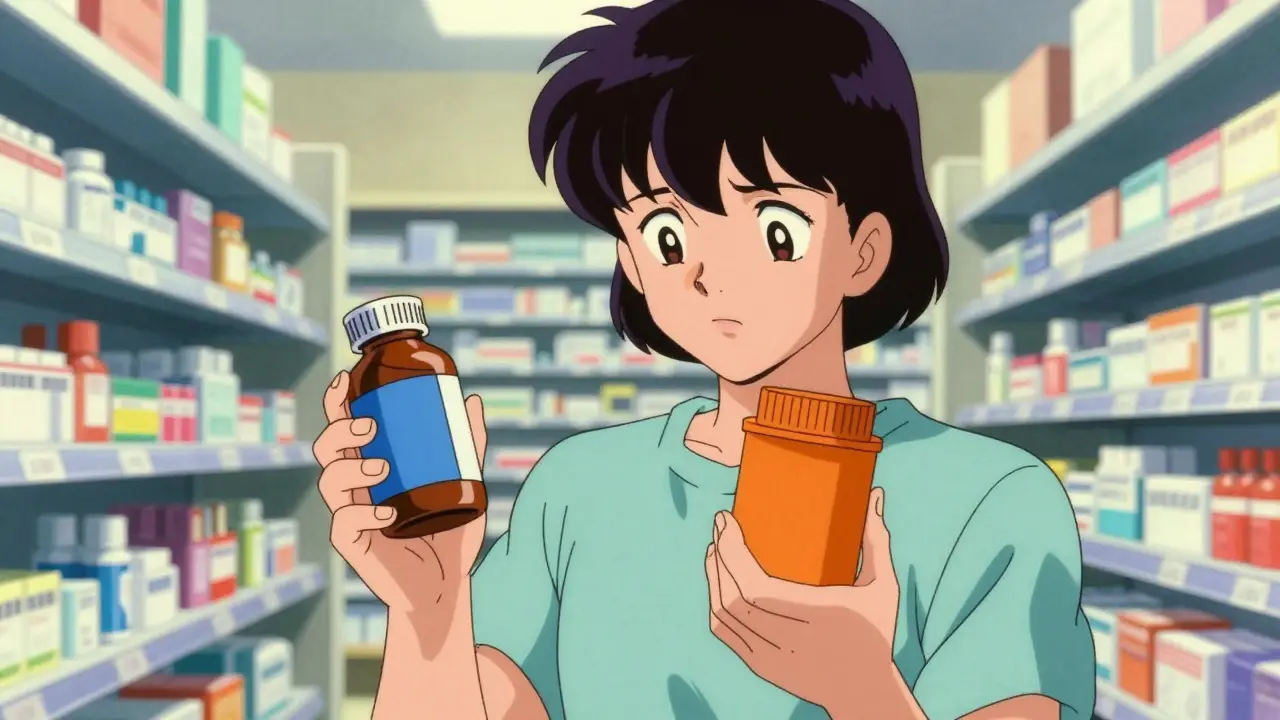
Risk perception: how patients assess generic safety
Patients often question generic drug safety despite scientific proof. This guide explores why mistrust persists, how demographics influence risk perception, and practical steps to bridge the confidence gap between science and sentiment.

Gastric Bypass vs. Sleeve Gastrectomy: Which Weight Loss Surgery is Right for You?
Compare Gastric Bypass and Sleeve Gastrectomy for weight loss surgery. Learn about risks, recovery, costs, and which procedure fits your health goals best.

Natural Remedies and Supplements for Side Effects: What’s Backed by Evidence
Many people turn to natural remedies for side effects, but not all are safe. Evidence shows some herbs can cause serious reactions, interact with medications, or contain harmful contaminants. Learn what actually works - and what to avoid.
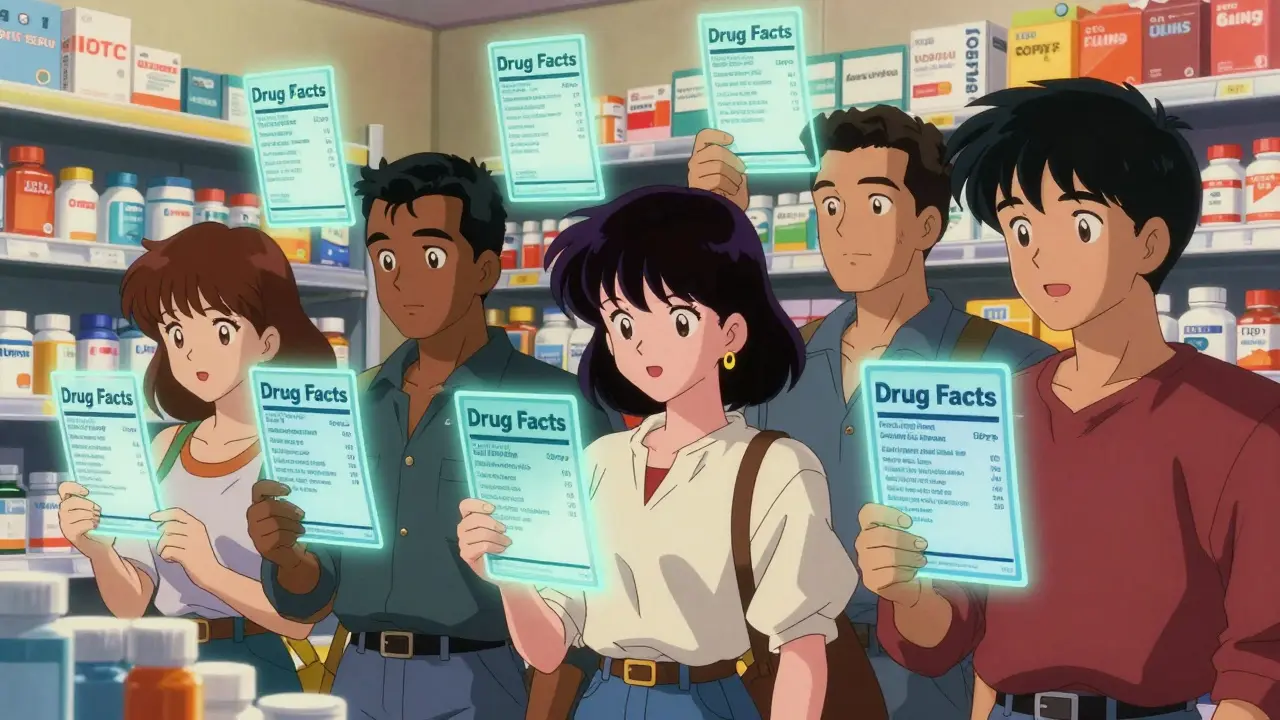
Best Practices for Choosing Safe OTC Medications at the Pharmacy
Learn how to safely choose over-the-counter medications at the pharmacy by reading labels, knowing active ingredients, avoiding dangerous combinations, and talking to pharmacists. Simple steps can prevent serious health risks.

Low-Carb Diets: Ketogenic vs. Atkins for Weight Loss
Ketogenic and Atkins diets both help with weight loss by cutting carbs, but keto is strict and fast, while Atkins offers a phased, flexible approach. Learn which one fits your lifestyle and long-term goals.
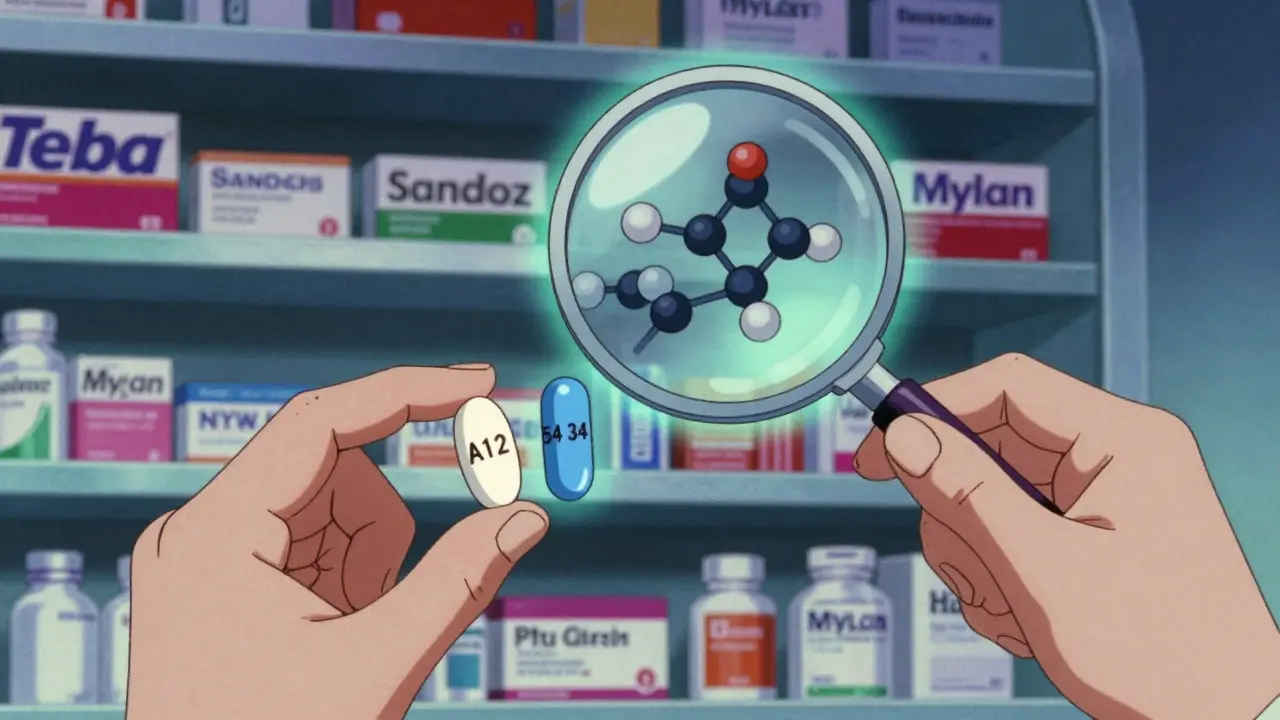
How to Compare Generic Manufacturers and Pill Appearance
Generic drugs save money but often look different. Learn how to check if your pill is still the right medication, why manufacturers change appearance, and when to ask your doctor to keep the same brand.

Tapering Opioids Safely: How to Reduce Side Effects and Avoid Withdrawal
Tapering opioids safely means reducing doses slowly to avoid dangerous withdrawal and side effects. Learn how to reduce risks, use supportive meds, and work with your doctor for better outcomes.

Protein Shakes and Levothyroxine: Morning Dose Timing Tips
Learn how protein shakes can interfere with levothyroxine absorption and why waiting four hours between your medication and your shake can make all the difference for thyroid health.

Thyroid Cancer: Types, Radioactive Iodine Therapy, and Thyroidectomy Explained
Thyroid cancer has several types, each with different treatments. Radioactive iodine therapy works for some, not all. Thyroidectomy is common but carries risks. Survival is high for most, but overtreatment is a growing concern.