Health and Wellness Hub – Simple Tips to Feel Better Every Day
If you’re looking for quick ways to improve how you feel, you’ve landed in the right spot. This page pulls together easy‑to‑follow advice on everything from sleep tricks to natural supplements, so you can start seeing results without a PhD.
Everyday habits that actually work
First up: sleep. A solid night’s rest does more than keep you alert – it helps skin repair, balances hormones, and even supports your immune system. Try turning off screens at least 30 minutes before bed and keeping the room cool; those tiny tweaks can add up to hours of better rest.
Next, move a little every day. You don’t need a marathon schedule; a brisk walk after dinner or a short stretch routine in the morning boosts circulation and lifts mood. Consistency beats intensity, so pick something you enjoy and stick with it for a few weeks.
Hydration is another low‑effort win. Most people drink far less water than their bodies need. Keep a reusable bottle nearby and sip regularly – aim for about eight 8‑oz glasses daily, or more if you exercise.
Top reads you’ll love right now
Our latest articles dive deeper into specific topics you might be curious about:
- 6 Real Alternatives to Finasteride for Men’s Hair Loss – practical treatments like minoxidil and microneedling that actually work.
- Infant Fungal Rashes: Expert Skin Care Guide – safe products and steps to keep baby skin healthy.
- Holistic Asthma Relief: Yoga, Pranayama, and Nutrition Strategies – natural ways to calm breathing without relying solely on inhalers.
- Unlocking the Health Secrets of Poria Mushroom – why this fungus is gaining attention for immune support.
- The Connection Between Sleep and Wrinkles – how sleeping positions affect skin and simple fixes.
Each post is written in plain language, backed by real studies or expert advice, so you can trust the info without wading through jargon. Click any title to get step‑by‑step guidance you can apply today.
Ready to make a change? Pick one habit from the list above, try it for a week, and notice how you feel. Small actions add up, and this hub is here to keep you motivated with fresh tips and reliable articles whenever you need them.

Natural Remedies and Supplements for Side Effects: What’s Backed by Evidence
Many people turn to natural remedies for side effects, but not all are safe. Evidence shows some herbs can cause serious reactions, interact with medications, or contain harmful contaminants. Learn what actually works - and what to avoid.

Low-Carb Diets: Ketogenic vs. Atkins for Weight Loss
Ketogenic and Atkins diets both help with weight loss by cutting carbs, but keto is strict and fast, while Atkins offers a phased, flexible approach. Learn which one fits your lifestyle and long-term goals.

Metabolic Syndrome: How Waist Size, Triglycerides, and Glucose Control Are Linked
Metabolic syndrome links belly fat, high triglycerides, and elevated blood sugar - three warning signs that raise your risk of heart disease and diabetes. Learn how to reverse it with lifestyle changes that work.

Physical Therapy for Pain: Exercise, Stretching, and Restoration
Physical therapy for pain uses exercise, stretching, and restoration to reduce chronic pain without drugs. Learn science-backed routines, real results, and how to start safely today.

Sugar vs. Artificial Sweeteners: How They Affect Your Appetite and Cravings
Sugar and artificial sweeteners affect appetite differently than most people think. While sweeteners cut calories, they may increase cravings over time-especially with prolonged use. Here’s what the science really says about hunger, brain response, and what works better.

Preparing for Doctor Appointments: What to Bring and Discuss
Learn exactly what to bring and discuss at your next doctor appointment to get better care, avoid mistakes, and save time. Practical checklist and proven tips from top UK and US healthcare systems.

Vitamin D and Bone Health: What Really Works for Strong Bones
Vitamin D supports bone health by helping your body absorb calcium, but taking more than you need won't help - and might hurt. Learn who actually needs supplements and what dose really works.

Psoriasis Triggers: How Stress, Infection, and Skin Barrier Damage Cause Flares
Psoriasis flares are often triggered by stress, infections, and damaged skin barriers. Learn how these factors activate your immune system and what daily steps you can take to reduce flare frequency and regain control.

Healthy Snacking: High-Protein, Low-Calorie Ideas for Weight Management
Discover high-protein, low-calorie snacks that help manage weight by keeping you full longer, reducing cravings, and supporting muscle health without excess sugar or calories.
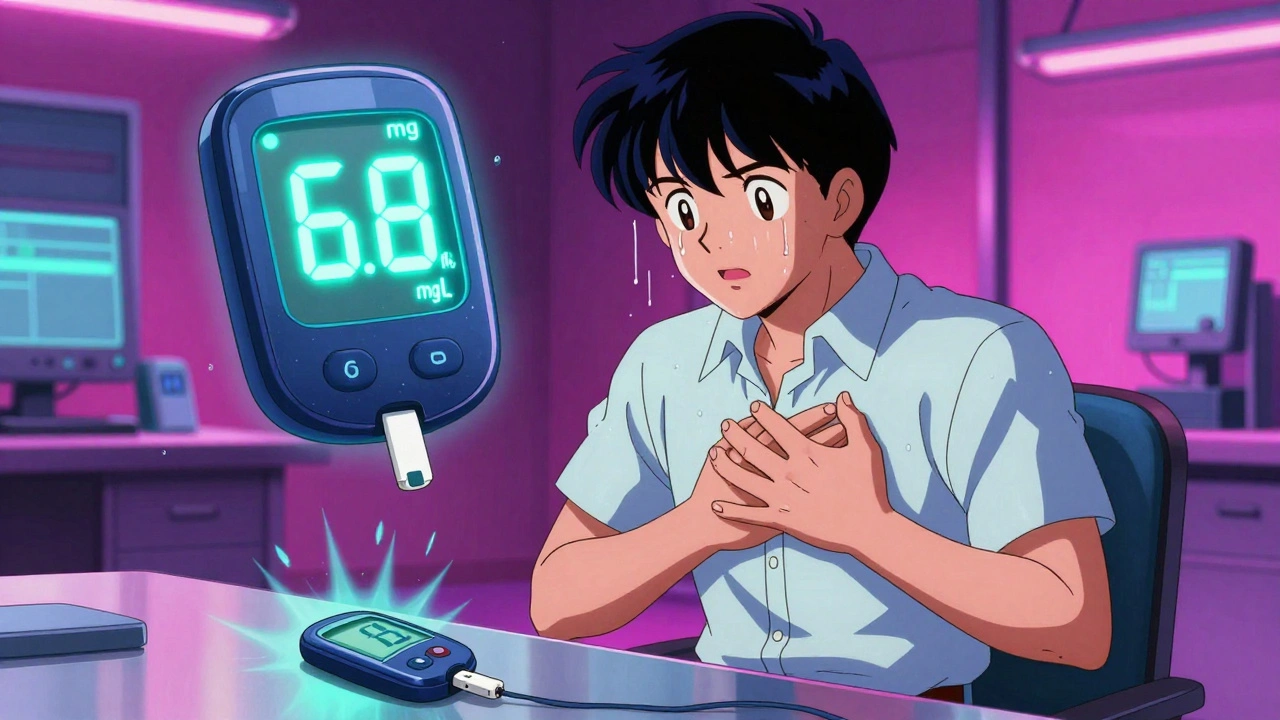
Hypoglycemia: How to Recognize, Treat, and Prevent Low Blood Sugar
Learn how to recognize, treat, and prevent low blood sugar in people with diabetes. Understand symptoms, emergency treatment with glucagon, and proven prevention strategies backed by current medical guidelines.