Category: Medications - Page 2
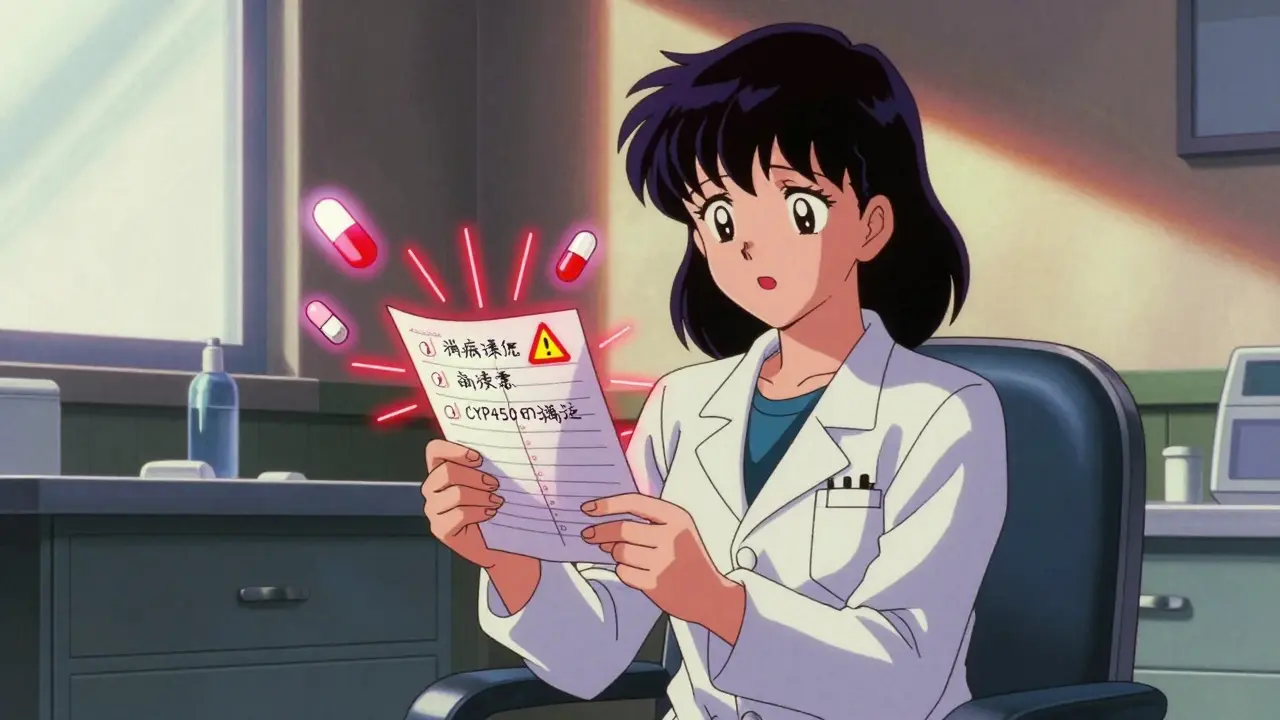
How Medical History Increases Your Risk of Specific Medication Side Effects
Your medical history directly impacts how your body reacts to medications. From past allergies to kidney disease, these factors can double or triple your risk of dangerous side effects. Learn what matters most and how to protect yourself.

How to Understand Boxed Warning Label Changes Over Time: A Practical Guide for Healthcare Professionals
Boxed warnings are the FDA's strongest drug safety alerts. Learn how they change, where to find updates, and interpret them. Practical steps for healthcare pros. Real-world examples. Stay updated.

Red Flags in Drug Interactions: Critical Combinations Pharmacists Must Check
Learn about dangerous drug combinations pharmacists must check, why they happen, and how to stay safe. Real-world examples and expert insights on preventing medication-related harm.
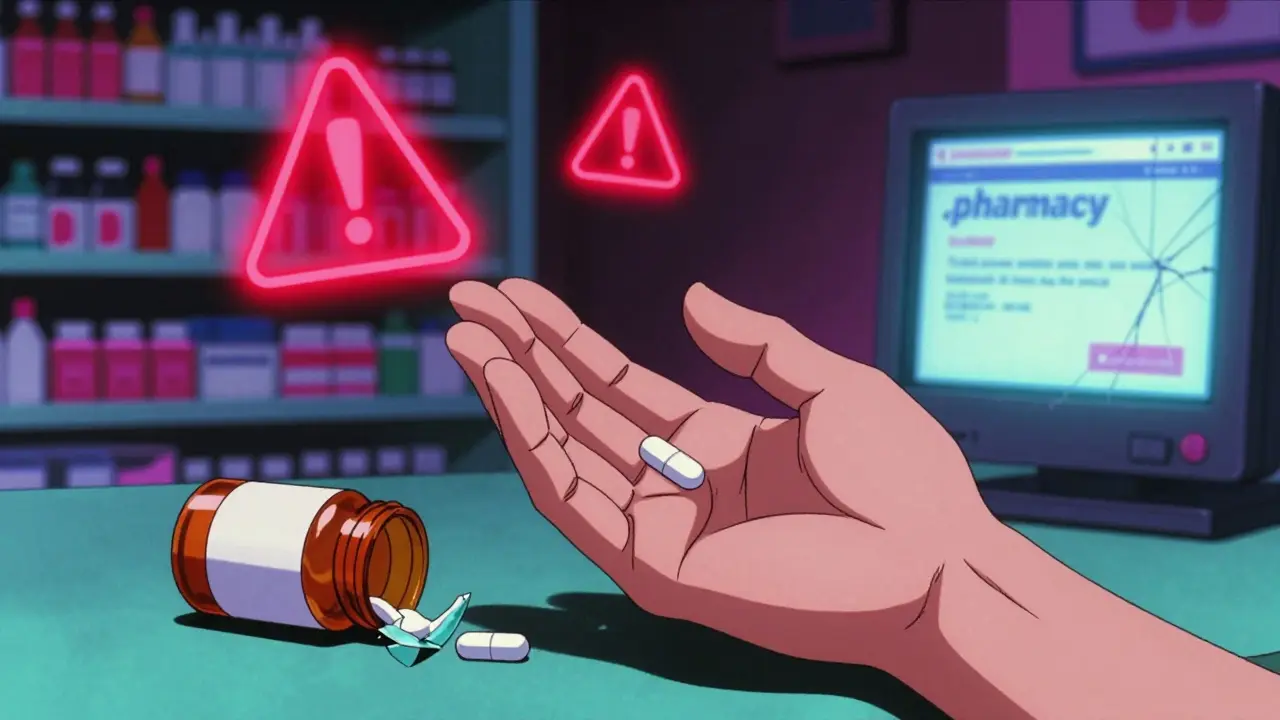
Counterfeit Medication Red Flags: What to Watch For
Counterfeit medications are a growing global threat, with fake pills containing deadly substances like fentanyl. Learn the 6 key red flags-pricing, packaging, pill appearance, online sources, side effects, and verification steps-to protect yourself from dangerous counterfeit drugs.

GLP-1 Agonists for Weight Loss: Real Benefits and Common Side Effects
GLP-1 agonists like Wegovy and Zepbound offer powerful weight loss-up to 20% of body weight-but come with side effects like nausea and high costs. Learn how they work, who they're for, and what to expect.

Price and Efficacy: Why Cheaper Drugs Feel Less Effective
Why do cheaper drugs feel less effective-even when they're identical to brand-name pills? The answer lies in psychology, not chemistry. Price, appearance, and expectation shape how we experience medicine.
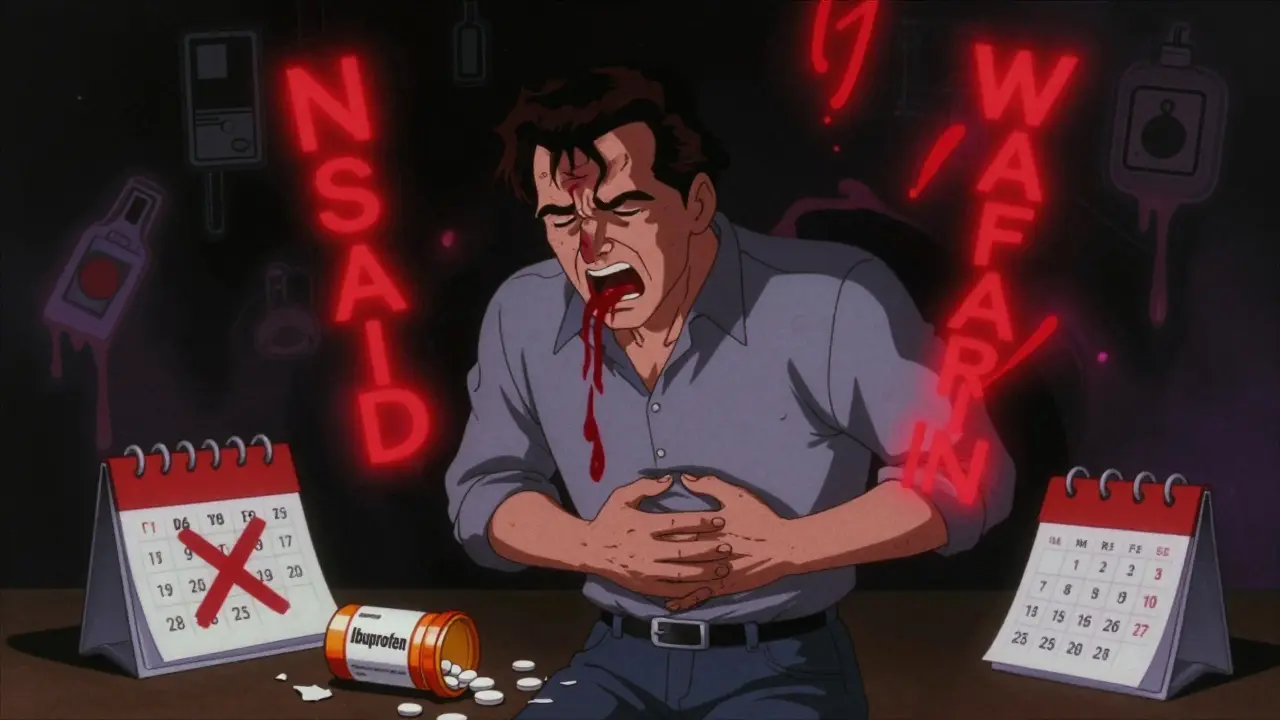
Blood Thinners and NSAIDs: Why This Combination Can Cause Life-Threatening Bleeding
Combining blood thinners with NSAIDs like ibuprofen or naproxen can cause severe, life-threatening bleeding. Learn why this interaction is so dangerous, which drugs carry the highest risk, and what safer alternatives actually work.
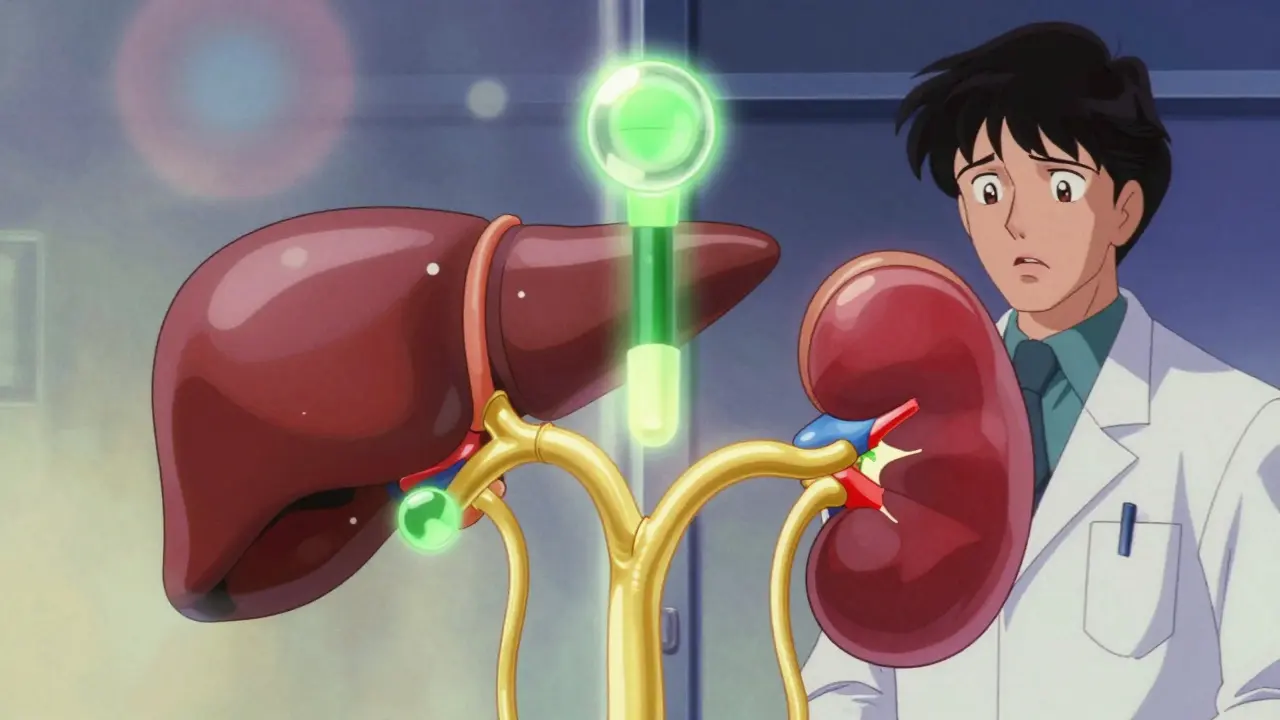
Pitavastatin and Diabetes Risk: What You Need to Know About Metabolic Effects
Pitavastatin offers a favorable metabolic profile compared to other statins, with minimal impact on blood sugar and lower risk of new-onset diabetes. Ideal for patients with prediabetes or metabolic syndrome.
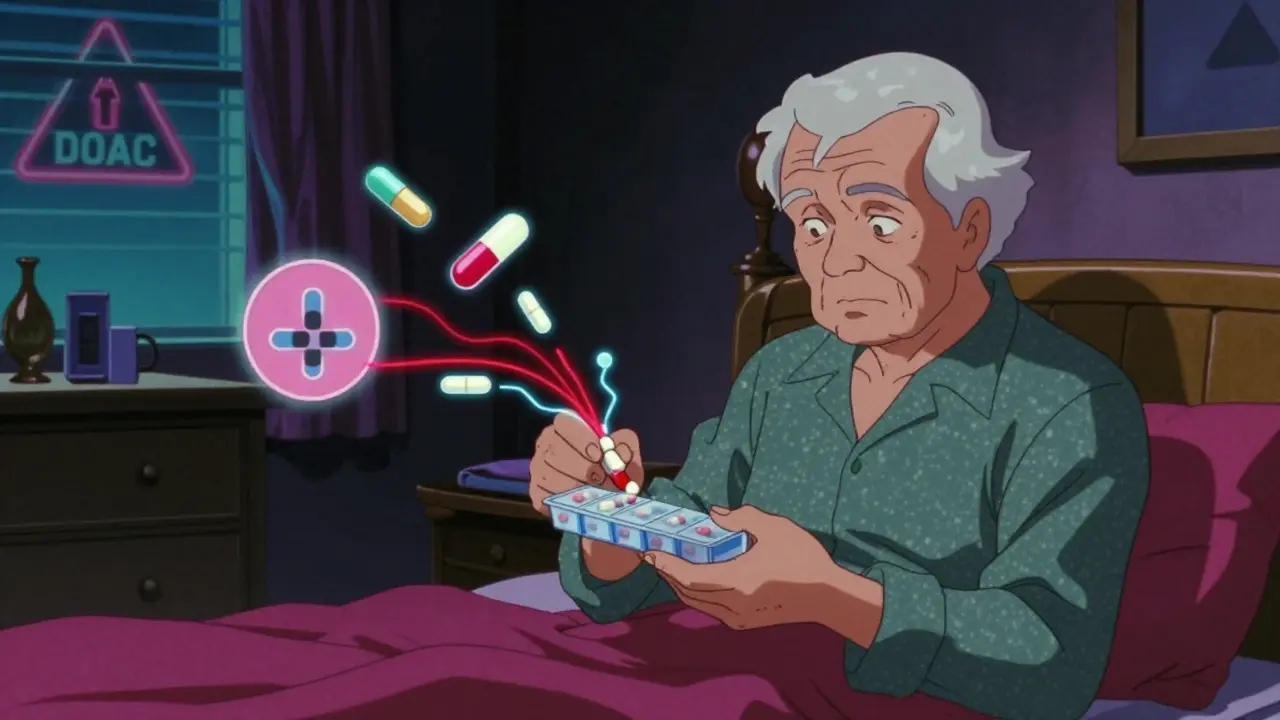
DOAC Interactions with Other Medications: What You Need to Know
DOACs like apixaban and rivaroxaban are safer than warfarin, but drug interactions can still cause serious bleeding or clots. Learn which medications to avoid and how to stay safe.

How to Recognize Changes in Color, Odor, or Texture in Expired Drugs
Learn how to spot dangerous changes in expired drugs by checking color, odor, and texture. Simple visual checks can prevent harmful reactions and ensure your medications are safe to use.