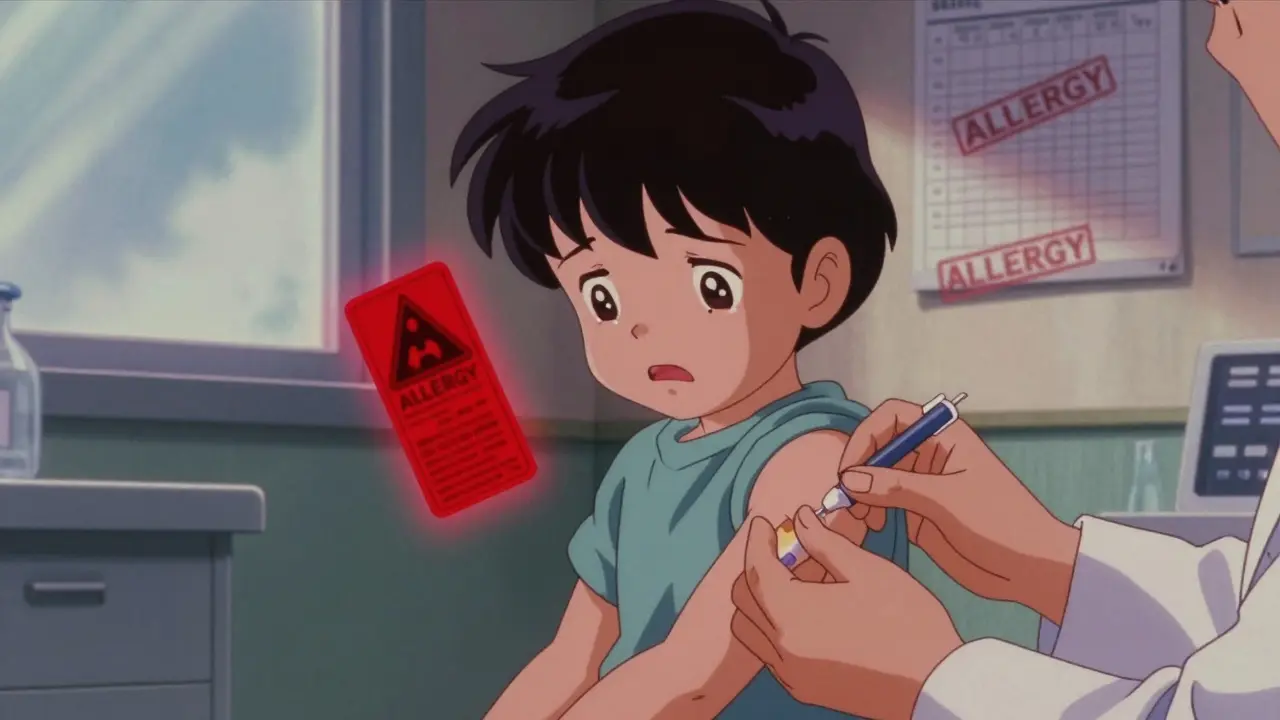
More than 10% of people in the U.S. believe they’re allergic to penicillin. But here’s the truth: over 95% of them aren’t. That label-written in a chart from childhood, maybe after a rash or upset stomach-sticks for life. And it’s costing you more than just peace of mind. It’s limiting your treatment options, raising your risk of dangerous infections, and pushing doctors toward stronger, costlier antibiotics that harm your body and the wider community.
Why a False Allergy Label Matters More Than You Think
If you’ve been told you’re allergic to penicillin, you’ve likely been given alternatives like vancomycin, clindamycin, or fluoroquinolones. These drugs work, but they’re not better. They’re broader-spectrum, meaning they kill off good bacteria along with bad ones. That’s why patients with fake penicillin allergies are 30% more likely to get a C. diff infection-a severe, sometimes deadly gut infection caused by antibiotic overuse. The numbers don’t lie. In U.S. hospitals, patients with a penicillin allergy label are 28% more likely to get fluoroquinolones and 69% more likely to get clindamycin than those without the label. That’s not coincidence. It’s systemic overuse driven by fear. And it’s fueling antibiotic resistance. MRSA and ESBL-producing E. coli are rising fast, and false allergy labels are a big reason why. The cost? Around $1,000 more per patient per year. For hospitals, that adds up to hundreds of millions. For you? It means longer hospital stays, more side effects, and fewer effective options when you really need them.How Do You Know If Your Allergy Label Is Wrong?
Most people who say they’re allergic to penicillin had a reaction as a kid. Maybe a rash. Maybe nausea. Maybe a family member said, “Don’t give them penicillin again.” But here’s what most don’t realize: most rashes aren’t allergies. True IgE-mediated penicillin allergies-the kind that cause anaphylaxis-are rare. Only 1-2% of the population has them. Yet 10-15% of hospitalized patients carry the label. That’s a massive gap. The key is understanding your reaction history. If you had:- A rash that appeared days after taking the drug (not hours)
- Stomach pain, diarrhea, or vomiting
- Headache or dizziness
- A reaction that didn’t involve swelling, trouble breathing, or low blood pressure
How Testing Works: Skin Tests, Challenges, and What to Expect
There are two main ways to confirm whether you’re truly allergic: skin testing and drug challenge. Both are safe when done correctly. Skin testing is the first step for most people. It involves two parts:- Prick test: A tiny drop of penicillin (or a breakdown product) is placed on your skin, then gently poked. No needle. No pain. Just a little itch if you’re sensitive.
- Intradermal test: If the prick test is negative, a small amount is injected just under the skin. This is more sensitive but slightly riskier.

Who Can Do This Testing? You Don’t Need an Allergist
Many assume you need to see an allergist. You don’t. A growing number of hospitals and clinics now train nurses, pharmacists, and even primary care doctors to perform de-labeling. Tools like PEN-FAST-a simple 5-question scorecard-help providers quickly assess your risk:- Was the reaction 10+ years ago? (Yes = +1)
- Was it a rash only? (Yes = +1)
- Was there no anaphylaxis or respiratory distress? (Yes = +1)
- Did you take penicillin since without issue? (Yes = +1)
- Was there no other serious reaction? (Yes = +1)
What Happens After You’re Cleared?
Getting cleared isn’t the end. It’s the beginning. Your allergy label needs to be updated in your medical records. Not just changed. Removed. And it should be specific: “Not allergic to amoxicillin,” not “Penicillin allergy-no longer applicable.” Many electronic health records still treat “penicillin allergy” as one broad category. That’s outdated. Cross-reactivity between penicillins, cephalosporins, and carbapenems isn’t automatic. You might be fine with one but not another. Clear documentation matters. Once you’re de-labeled, you can:- Take amoxicillin for a sinus infection instead of azithromycin (which causes stomach upset in most people)
- Get treated faster in the ER without delays for alternative antibiotics
- Reduce your risk of C. diff and resistant infections
- Save money on more expensive drugs

Why Isn’t Everyone Getting Tested?
If it’s this safe and this effective, why aren’t more people doing it? The answer is systemic. Fewer than 40% of eligible patients get tested. Why?- Access: Allergists are scarce. In rural areas, there’s often one per 500,000 people.
- Time: Waiting for an appointment can take 14 weeks or more.
- Confusion: Many doctors don’t know how to assess allergy history or use tools like PEN-FAST.
- Patient fear: People worry about having a reaction during testing. But the risk is far lower than the risk of staying labeled.
What You Can Do Right Now
If you’ve been told you’re allergic to penicillin:- Look back at your reaction. Was it a rash? Nausea? Did it happen more than 10 years ago?
- Ask your doctor: “Can we check if this allergy is still valid?”
- Request the PEN-FAST assessment. It takes 2 minutes.
- If you’re low-risk, ask about an oral challenge. No skin test needed.
- When cleared, demand your records be updated. Say: “Remove ‘penicillin allergy’ and document ‘tolerated amoxicillin without reaction.’”
Can I outgrow a penicillin allergy?
Yes. Most people who had a penicillin reaction as a child lose their sensitivity over time. Studies show that 80% of people who were allergic in childhood are no longer allergic after 10 years. But without testing, you’ll never know. The label stays in your chart forever unless you actively get it removed.
Is skin testing painful?
No. Skin prick testing feels like a light scratch. Intradermal testing is like a tiny pinprick. Most people describe it as less uncomfortable than a blood draw. The whole process takes less than 30 minutes. The risk of a serious reaction during testing is less than 1%.
What if I have a reaction during testing?
Reactions during testing are rare, and clinics are prepared. If you develop hives, itching, or mild wheezing, they’ll give you antihistamines or steroids. Severe reactions like anaphylaxis are extremely uncommon-less than 0.5% of cases-and are treated immediately with epinephrine. Testing is done in controlled settings with emergency equipment on hand.
Can I be allergic to one penicillin but not another?
Absolutely. Penicillin is a family of drugs. Being allergic to amoxicillin doesn’t mean you’re allergic to ampicillin or cephalexin. That’s why it’s important to test and label specific drugs, not just “penicillin.” Many people who avoid all penicillins can safely take one or two of them.
How long does it take to get results?
Skin testing takes about 30 minutes. If the results are negative, the oral challenge usually happens the same day or within 24 hours. You’ll know your status by the end of the appointment. Most clinics can complete the entire process in under two hours.
Will my insurance cover this?
Yes. Most insurance plans, including Medicare and Medicaid, cover allergy testing and drug challenges when performed by qualified providers. The cost of testing is typically under $200. Compare that to the $1,000+ extra cost per year from using broader antibiotics. Testing pays for itself.
lisa Bajram
January 9, 2026 AT 20:25Okay, but like-why is this still a thing?? I had a rash at 7 after amoxicillin, and my mom panicked and told the doctor, and now-30 years later-I’m stuck with ‘penicillin allergy’ in my chart. I’ve taken it twice since, no problem. But every time I go to the ER, they act like I’m carrying plutonium. This is insane. And yes, I just booked a penicillin challenge next week. Finally.
Paul Bear
January 10, 2026 AT 06:18Let’s parse the epidemiology: the prevalence of IgE-mediated penicillin allergy is 1–2% in the general population, yet 10–15% of hospitalized patients carry the label. That’s a 5–7.5x overdiagnosis rate. The consequence? A 28% increase in fluoroquinolone use and a 69% increase in clindamycin utilization-both independently associated with C. diff colonization and multidrug-resistant organism selection pressure. This isn’t anecdotal; it’s a public health crisis driven by diagnostic inertia and fear-based prescribing. The PEN-FAST tool (sensitivity 97%, specificity 92%) is underutilized because clinicians lack training, not evidence. We need institutional protocols-not patient self-advocacy-to fix this.
Jaqueline santos bau
January 11, 2026 AT 15:42Wait-so you’re telling me I’ve been avoiding penicillin for 20 years because I got a rash after a cold?? And now I’m at risk for C. diff?? I feel like I’ve been gaslit by my own medical history. I cried reading this. I’ve had three UTIs in two years because they gave me azithromycin and it made me vomit. I’m 38. I’m getting tested. I’m telling my doctor to REMOVE it. No more ‘allergy’ in my chart. I’m done being a walking antibiotic resistance statistic.
Kunal Majumder
January 12, 2026 AT 18:20Bro, this is huge. In India, we don’t even have access to this kind of testing. My cousin got labeled allergic after a fever rash-now she can’t get treated for pneumonia properly. Doctors here just give whatever’s cheapest, and it’s usually something that wipes out her gut. If this can be done by nurses and pharmacists? We need this here. No more guessing. Just test and fix.
Aurora Memo
January 12, 2026 AT 19:46I appreciate how clearly this breaks down the science. I used to think ‘penicillin allergy’ was a binary thing-either you are or you aren’t. Learning that rashes, nausea, or headaches aren’t true allergies was eye-opening. I’m going to ask my PCP about PEN-FAST next visit. I’ve been avoiding penicillin since I was 10. It’s time to let go of that old label.
chandra tan
January 13, 2026 AT 16:50Same story here. My aunt in Delhi had a rash after amoxicillin at 6. Now she’s 52 and gets recurrent infections. Last time, they gave her vancomycin for a simple UTI-cost $800, she was sick for weeks. We don’t have allergists nearby, but if a nurse can do this? I’m calling her clinic tomorrow. This is life-changing info.
Dwayne Dickson
January 13, 2026 AT 21:12Let me be clear: the notion that a childhood rash constitutes a lifelong contraindication to penicillin is not merely outdated-it is a clinical malpractice. The failure to implement standardized de-labeling protocols represents a systemic dereliction of duty by primary care institutions. The CDC’s new funding initiatives are commendable, but they are reactive. What we require is mandatory CME accreditation for antibiotic stewardship, coupled with EHR-driven auto-flagging of low-risk allergy labels-implemented yesterday. Until then, we are complicit in the perpetuation of iatrogenic harm.
Ted Conerly
January 15, 2026 AT 12:40You’ve got this. Seriously. I went through the challenge last year. Skin test? Felt like a mosquito bite. Oral challenge? A few sips of amoxicillin syrup. 45 minutes later, I got a coffee and walked out. No reaction. My chart now says ‘tolerated amoxicillin without reaction.’ I’ve taken it twice since. My last sinus infection? Gone in 3 days. No more $1,200 antibiotics. No more bloating. No more ‘I’m allergic’ panic. Do it. Your future self will thank you.