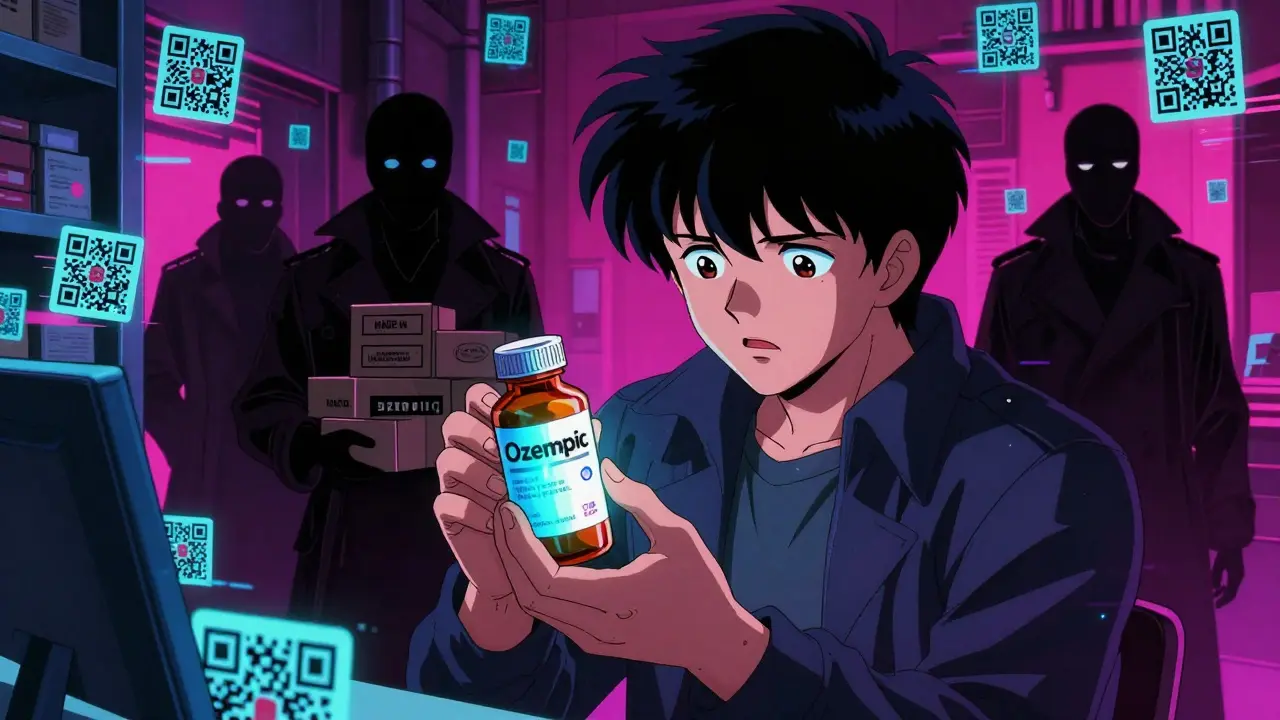
Every year, millions of people take generic medications to save money on prescriptions. They’re supposed to be just as safe and effective as the brand-name versions-cheaper, yes, but not compromised. But what if the pill in your bottle isn’t what it claims to be? That’s the terrifying reality with counterfeit generics. These aren’t just inferior copies-they’re dangerous fakes that can kill.
What Exactly Are Counterfeit Generics?
Counterfeit generics are fake versions of off-patent drugs. They look real. The packaging is convincing. The bottle, the label, even the imprint on the pill can match the real thing. But inside? Nothing works. Or worse-they contain toxic chemicals, wrong dosages, or no active ingredient at all. Unlike legitimate generics, which must pass strict tests to prove they work the same way as the original drug (within 80-125% of the brand’s effect), counterfeit versions skip every single safety check. They’re made in unregulated labs, often in Asia or Eastern Europe, and shipped through illegal channels. Some end up in pharmacies. Others are sold online under fake Canadian or U.S. pharmacy names. The problem exploded after 2020. During the pandemic, demand for antivirals, insulin, and weight-loss drugs like Ozempic surged. Criminals saw an opportunity. By 2024, over 6,400 cases of counterfeit pharmaceuticals were reported globally. In 2025 alone, Interpol seized more than 50 million fake doses in one operation. And that’s just what they caught.Which Medications Are Most Often Faked?
Not all generics are targeted equally. Some are far more dangerous when faked.- Weight-loss drugs like Ozempic and Mounjaro: These are the most counterfeited today. Fake versions contain no semaglutide or tirzepatide. Patients report no weight loss, no blood sugar control-just wasted money and frustration.
- Erectile dysfunction pills like Viagra and Cialis: Many contain unknown chemicals that cause heart palpitations, vision loss, or dangerous drops in blood pressure.
- Antibiotics: A fake antibiotic might have only 5% of the needed active ingredient. That doesn’t cure your infection-it trains bacteria to resist real drugs. The WHO warns this could lead to 10 million deaths a year by 2050.
- Painkillers and antidepressants: Counterfeit versions often lack any pain relief or mood-stabilizing effect. Some contain rat poison or industrial solvents.
- Cancer drugs like Yervoy and Opdivo: These are especially deadly. A single fake dose can mean the difference between survival and death.
How Do You Spot a Fake?
Counterfeiters are getting better. Some fakes even include holograms and QR codes that look real. But there are still signs you can catch.- Check the packaging: Look for misspellings, blurry logos, mismatched fonts, or odd colors. Real packaging is precise. Fakes are sloppy.
- Compare the pills: If your generic pills look different from your last refill-color, shape, size, or imprint-ask your pharmacist. A real generic must match the approved version.
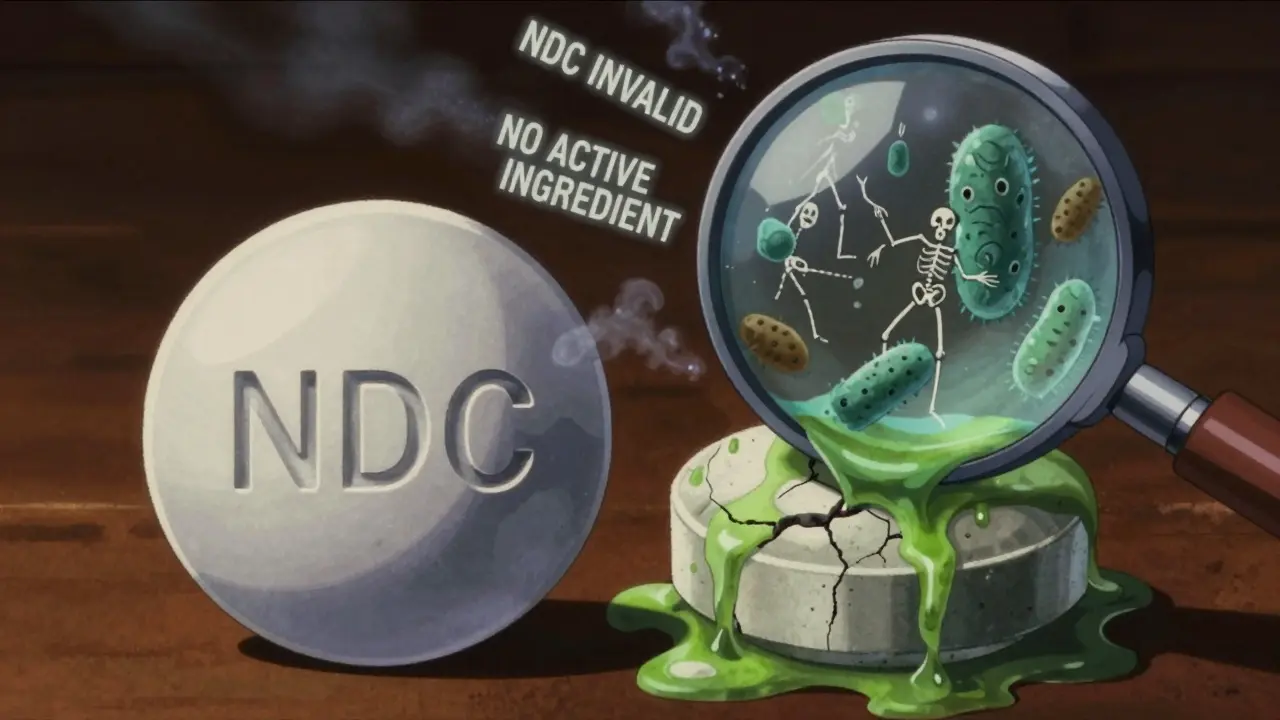
- Verify the NDC number: Every U.S. drug has a National Drug Code (NDC) on the label. Enter it into the FDA’s database. If it doesn’t exist or doesn’t match, it’s fake.
- Buy only from licensed pharmacies: Look for the VIPPS seal (Verified Internet Pharmacy Practice Sites). If a website doesn’t show a physical address, it’s illegal. Over 50% of online pharmacies that hide their location sell fake drugs.
- Use manufacturer verification tools: Novo Nordisk’s “Verify Your Pen” system lets you scan Ozempic pens to confirm authenticity. Over 2 million scans were done in Q3 2025. About 1.8% were flagged as fake.
Why Online Pharmacies Are a Minefield
Buying meds online sounds convenient. But 89% of illegal online pharmacies don’t require a prescription. That’s a red flag. Legitimate pharmacies always check your prescription. Between September 2023 and January 2025, the FDA logged 2,465 shipments of semaglutide and tirzepatide entering the U.S. from foreign sources. Of those, 239 came from unregistered companies. 195 were allowed in anyway-despite laws banning them. That’s how fake Ozempic ends up in your mailbox. Reddit threads like r/pharmacy are full of stories from people who bought “Canadian” Ozempic online. One user, MedSafety42, took it for three months. No weight loss. No change in blood sugar. Later, testing confirmed it had zero semaglutide. He lost $1,200 and months of progress.What Happens When You Take a Fake?
The consequences aren’t theoretical. They’re deadly. In Nigeria, counterfeit malaria drugs caused liver failure in at least 17 people after a raid shut down a hidden lab in Kaduna in August 2025. In South Africa, police seized R2.2 million worth of fake drugs in Gqeberha-some of which had already reached clinics. In Iowa, a pharmacy was fined $25,000 in 2025 for selling fake Ozempic to patients. But the worst damage is silent. A patient takes a fake antibiotic. The infection doesn’t go away. They take another. And another. Each time, the bacteria grow stronger. That’s how antimicrobial resistance spreads. The WHO says it’s one of the top 10 global health threats.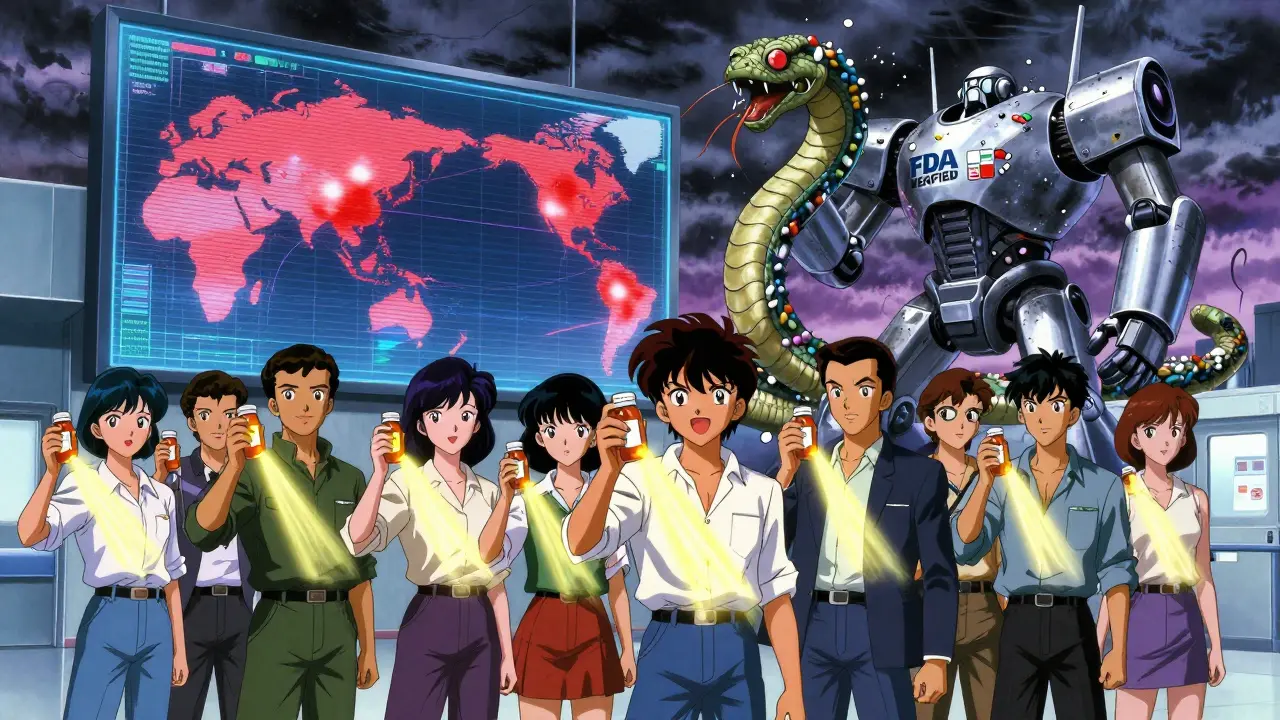
How to Stay Safe: A Simple Checklist
You don’t need to be a pharmacist to protect yourself. Here’s what to do:- Never buy from websites without a physical address. If they won’t tell you where they are, they’re hiding.
- Only use pharmacies with the VIPPS seal. You can find a list on the National Association of Boards of Pharmacy website.
- Check your pills. Compare them to photos on the drug manufacturer’s site. If they look off, don’t take them.
- Use verification apps. TrueMed’s app (4.7/5 stars on Google Play) lets you scan barcodes to confirm authenticity-especially useful for ED meds.
- Report suspicious meds. Use the FDA’s MedWatch program. Even one report helps shut down a criminal network.
What’s Being Done About It?
Governments and drugmakers are fighting back. The EU requires safety features on all prescription drug packaging since 2019. India now mandates QR codes on every active ingredient container. Pfizer has trained authorities in 164 countries on how to spot fakes-preventing over 300 million counterfeit doses from reaching patients. Blockchain tracking systems are being tested in 15 countries. Early results show a 22% drop in counterfeit incidents. The FDA also released new guidance in November 2025 requiring stricter checks on high-risk generics like semaglutide. But progress is uneven. Only 32% of pharmacies in low-income countries have access to verification tools. Meanwhile, criminal groups are using AI to generate fake labels and websites that fool even experienced buyers.What You Can Do Today
Don’t wait for a government agency to fix this. You’re the last line of defense. If you’re taking a generic drug-especially for diabetes, weight loss, heart conditions, or mental health-take 10 minutes to verify it. Call your pharmacist. Check the NDC. Scan the barcode. Ask your doctor if there’s a manufacturer verification tool for your medication. It’s not paranoia. It’s survival. Fake meds aren’t just a scam. They’re a public health emergency. And the only thing stopping them is you.How can I tell if my generic medication is fake?
Look for packaging errors like misspellings, blurry logos, or mismatched colors. Compare the pill’s shape, size, and imprint to images on the manufacturer’s website. Verify the National Drug Code (NDC) on the FDA’s database. If you bought it online and the site hides its physical address, it’s likely fake. Use verification tools like Novo Nordisk’s “Verify Your Pen” for Ozempic or TrueMed’s app for other high-risk drugs.
Are all online pharmacies dangerous?
No-but 89% of online pharmacies that don’t require a prescription or hide their physical address are illegal. Only buy from pharmacies with the VIPPS seal, which means they’re licensed and inspected. Check the National Association of Boards of Pharmacy’s website for a list of verified sites. If it looks too good to be true-like $20 Ozempic pens-it is.
What should I do if I think I took a fake medication?
Stop taking it immediately. Contact your doctor to discuss symptoms or lack of effect. Report the medication to the FDA through MedWatch. If you bought it online, save the packaging and order details. Share your story with consumer protection groups. Even one report helps authorities track down criminal networks.
Why are counterfeit generics so common now?
The rise of global supply chains, online sales, and high-demand drugs like Ozempic created perfect conditions for criminals. During the pandemic, demand surged while oversight slowed. Criminal groups now use AI to create realistic packaging and fake websites. They target low-income countries first, but counterfeit drugs are now entering high-income nations through illegal imports and unregulated online pharmacies.
Can counterfeit generics cause long-term health problems?
Absolutely. Fake antibiotics contribute to antimicrobial resistance, making real infections harder to treat. Fake insulin can cause dangerous blood sugar swings. Fake cancer drugs can allow tumors to grow unchecked. Even fake painkillers may contain toxic chemicals that damage your liver or kidneys over time. The damage isn’t always immediate-but it’s real and lasting.
Are there any free tools to verify medications?
Yes. The FDA’s NDC lookup tool is free and public. Many drugmakers offer free verification apps or phone hotlines-for example, Novo Nordisk’s “Verify Your Pen” for Ozempic. TrueMed’s app is free on Google Play and works for many common generics. Pfizer also runs a 24/7 anti-counterfeiting hotline: 1-800-593-5685.
Alvin Bregman
January 15, 2026 AT 08:23Man i just bought some generic viagra last month from a site that looked legit
took it and nothing happened
thought i was just tired
now im scared
Vicky Zhang
January 16, 2026 AT 09:27My grandma takes metformin and she swears the pills look different this time
She’s 78 and doesn’t use the internet but she noticed the color was lighter and the imprint was fainter
I took the bottle to her pharmacist and they confirmed it was a fake batch
They pulled the whole lot from the shelf
She cried because she thought she was going crazy
Don’t underestimate how much your elders notice
They’ve been taking these meds for decades
If something feels off, it probably is
Call your pharmacy. Don’t wait for symptoms
It’s not paranoia, it’s being smart
And if you’re buying online? Just don’t
Save your money, save your life
Sarah Triphahn
January 16, 2026 AT 20:37People who buy meds online are just asking for it
It’s not rocket science
Stop being lazy
Go to a pharmacy
It’s not that hard
Henry Sy
January 18, 2026 AT 16:56Remember when we all thought the opioid crisis was the worst thing pharma ever did?
Turns out it was just the warm-up
Now we got fake Ozempic pens being shipped in Amazon boxes
Some guy in Ohio took one and ended up in the ER with a heart attack
Turns out the pill had caffeine, lithium, and a dash of rat poison
And the label? Looked like it came from a 2025 Apple commercial
AI-generated packaging is now a public health threat
We’re not just fighting crooks anymore
We’re fighting algorithms that learned how to lie better than politicians
And the worst part? The FDA can’t keep up
They’re still using spreadsheets
Meanwhile, some dude in Bangalore is printing fake NDC codes faster than you can say ‘I need to lose 30 pounds’
We need a war chest, not a pamphlet
Jason Yan
January 19, 2026 AT 20:27I’ve been thinking a lot about this lately
It’s not just about the pills
It’s about trust
We used to trust that our doctors knew what they were prescribing
We trusted that pharmacies were vetted
We trusted that the government was watching
Now? We’re left to be our own detectives
Scanning barcodes, checking NDC codes, comparing pill shapes
It’s exhausting
And it shouldn’t be this way
Medication isn’t a luxury or a hobby
It’s a lifeline
When someone sells you a fake insulin pen, they’re not just stealing money
They’re stealing your chance to live
And we’re letting them get away with it because we’re too busy scrolling
Maybe the real problem isn’t the fakes
It’s that we’ve stopped caring enough to fight back
Dylan Livingston
January 20, 2026 AT 06:56Oh wow, a whole article about fake meds
And not one mention of Big Pharma’s role in creating the demand
They patent drugs, jack up prices, then sit back while people turn to shady online pharmacies
Then they act shocked when the fakes flood in
It’s like blaming the victim for getting mugged in a dark alley you lit on fire
Also, ‘Verify Your Pen’? That’s a marketing gimmick
Novo Nordisk makes billions off Ozempic
They’d rather you scan a QR code than lower the price
Real solution? Regulate pricing. Not verification apps
But hey, keep scanning, folks
Meanwhile, the real criminals are on Wall Street
TooAfraid ToSay
January 21, 2026 AT 22:25Oh so now it’s a global crisis because someone in Iowa bought fake Ozempic?
Let me guess, you’re from the US and think the whole world is falling apart because you can’t get your weight loss drug
In Nigeria, people are dying from fake malaria pills
In India, kids are getting fake antibiotics
But you? You’re mad because your belly didn’t shrink
Maybe stop being a privileged hypochondriac and worry about people who actually need to survive
Also, your ‘checklist’? Cute
Most people can’t afford to go to a VIPPS pharmacy
They’re choosing between food and insulin
Don’t lecture us
Fix the system
Susie Deer
January 23, 2026 AT 18:39Buy from American pharmacies or don’t buy at all
Foreign meds are trash
End of story
China and India are poison factories
Stop being naive
says haze
January 24, 2026 AT 21:41It’s fascinating how we’ve outsourced our biological vulnerability to global supply chains
Our bodies are now nodes in a neoliberal logistics network
The pill is no longer a therapeutic object
It’s a commodity, stripped of its phenomenological weight
When you take a counterfeit, you’re not just ingesting a chemical
You’re ingesting the collapse of the social contract
The promise of modern medicine-safe, reliable, equitable-has been replaced by algorithmic fraud
And we, the patients, are the collateral damage
Yet we blame the poor Nigerian pharmacist or the Indian manufacturer
When the real architects of this decay are the shareholders and the regulators who sleep
It’s not a crisis of pills
It’s a crisis of meaning
And we’re too distracted by our Fitbits to notice
Allison Deming
January 25, 2026 AT 19:32It is deeply concerning that so many individuals continue to engage in reckless behavior by purchasing pharmaceuticals through unregulated channels
There is no justification for bypassing established medical protocols
One’s health is not a gamble
It is a sacred responsibility
The fact that people are willing to risk their lives for a few dollars in savings speaks to a profound moral decay
It is not merely negligence
It is a betrayal of the self
And worse
It is a betrayal of those who rely on these medications to survive
One cannot claim to care about public health while simultaneously undermining it
There is no excuse
Only accountability
Anna Hunger
January 26, 2026 AT 23:37Thank you for publishing this comprehensive and urgently needed guide
As a pharmacist with over 20 years of experience, I’ve seen the quiet devastation caused by counterfeit drugs
Patients come in with no improvement, no explanation
We run tests, adjust doses, change regimens
Then we find out the bottle was bought off Instagram
It’s heartbreaking
And preventable
I’ve personally reported over 40 fake batches to the FDA
Each one saved someone
Please, if you’re reading this
Don’t be embarrassed to ask your pharmacist if your pills are real
They’ve seen it all
And they want to help
Call your doctor. Check the NDC. Use the apps
This isn’t just advice
It’s a lifeline
Robert Way
January 28, 2026 AT 02:46wait so if the pill looks different its fake?
i think mine looks different but i just thought they changed the formula
also i bought mine from a guy on discord
he said its legit
he even sent me a pic of his receipt
so its fine right?
shiv singh
January 28, 2026 AT 12:55Why are you all so scared of fake meds?
Look at India
We make 80% of the world’s generics
And we don’t die from them
You Americans act like every pill is a bomb
Meanwhile, our hospitals use the same meds
And we’re not dropping like flies
It’s your fear
Not the medicine
Stop being drama queens
And learn to trust
Sarah -Jane Vincent
January 30, 2026 AT 05:57Did you know the FDA has been compromised since 2021?
They’re working with pharma to let fake drugs in
Why?
Because they’re paid by the same companies that make the real ones
That’s why they approved 195 shipments of fake Ozempic
That’s not a mistake
That’s a cover-up
And the ‘VIPPS seal’? It’s a scam too
Some of those sites are owned by the same people who run the fake pharmacies
They just change the logo
They’re using AI to generate fake verification sites now
Even the apps are fake
There is no safe way
Just pray
Andrew Freeman
January 31, 2026 AT 22:00fake meds are a problem
but so is the price of insulin
if it cost $20 instead of $300 no one would buy off amazon
stop blaming the poor
blame the greed