Medications – Your Quick Guide to Safe Buying & Smart Alternatives
Welcome to the Medications hub at VikingPharmacy.com. Whether you’re hunting for an epilepsy pill, a heart‑burn fix, or a better mood booster, this page gives you straight‑forward advice on buying meds online and picking safer alternatives.
How to Buy Medications Online Safely
The internet is full of pharmacy sites, but not all are trustworthy. First thing – look for a valid license number on the site’s footer. Legit pharmacies usually display their registration with a national health authority. If you can’t find it, walk away.
Next, never skip the prescription requirement. Real drugs need a doctor’s note; sites that sell them without one are likely scams. Use a service that lets you upload your script securely and then verifies it before shipping.
Price comparison is another must‑do. A quick search for the drug name plus “price” will show a range. If a deal looks too good to be true, it probably is. Check user reviews, but focus on recent ones that mention packaging and delivery speed.
Finally, pay with a protected method like credit card or PayPal. These give you charge‑back options if the order never arrives or the product is counterfeit.
Top Drug Alternatives You Should Know
Sometimes your doctor might suggest switching drugs because of side effects, cost, or interaction risks. Below are a few popular swaps that show up in 2025 searches.
Gabapentin alternatives: If nerve pain is the issue, consider Pregabalin or low‑dose Amitriptyline. Both have similar relief but different side‑effect profiles, which can be easier on your stomach.
Clopidogrel alternatives: For blood thinning, many patients move to Ticagrelor or Prasugrel. They work faster and may lower the risk of bleeding for certain heart conditions.
Hydrochlorothiazide alternatives: If you’re dealing with resistant hypertension, look at Chlorthalidone or even a low‑dose ACE inhibitor. These often give better control without the frequent trips to the bathroom.
Esomeprazole alternatives: Over‑the‑counter options like Famotidine or OTC omeprazole can be enough for occasional heartburn, while prescription Ranitidine (where still available) offers a different mechanism.
Each alternative comes with its own pros and cons. Talk to your pharmacist about drug interactions and check if insurance covers the new option.
Remember, switching isn’t just about price – it’s also about how the medication fits your lifestyle. Some pills are taken once a day, others twice; some need food, others don’t. Pick what feels easiest for you to stick with.
At VikingPharmacy.com we keep our guides up‑to‑date so you can make informed choices without wading through medical jargon. Bookmark this page and come back whenever you need fresh tips on buying meds or finding a better alternative.

Herbal Supplements and Birth Control: Can Natural Herbs Reduce Contraceptive Effectiveness?
Learn which herbal supplements like St. John's wort reduce birth control effectiveness and how to manage risks safely.

Vaccine Timing With Immunosuppressants: A Guide for Patients
Learn the critical timing windows for vaccines when taking immunosuppressants. Understand Rituximab, Methotrexate, and guideline conflicts to maximize safety.
Risk perception: how patients assess generic safety
Patients often question generic drug safety despite scientific proof. This guide explores why mistrust persists, how demographics influence risk perception, and practical steps to bridge the confidence gap between science and sentiment.
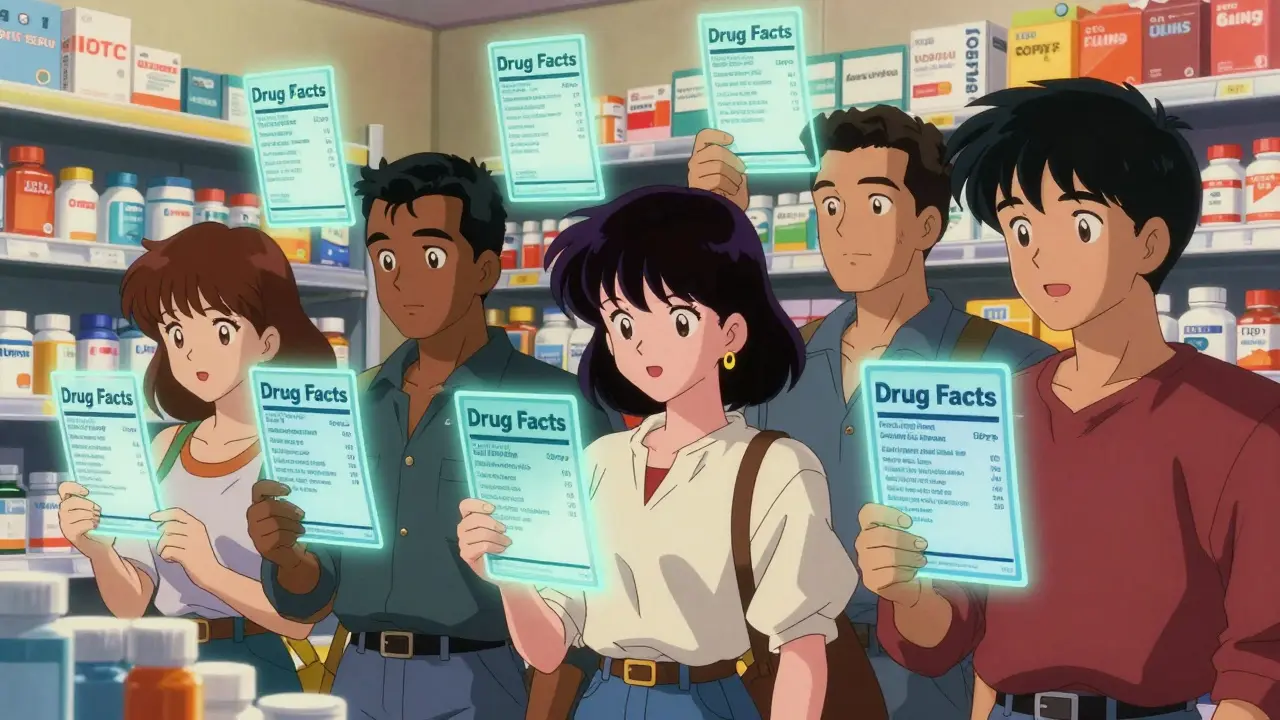
Best Practices for Choosing Safe OTC Medications at the Pharmacy
Learn how to safely choose over-the-counter medications at the pharmacy by reading labels, knowing active ingredients, avoiding dangerous combinations, and talking to pharmacists. Simple steps can prevent serious health risks.

Tapering Opioids Safely: How to Reduce Side Effects and Avoid Withdrawal
Tapering opioids safely means reducing doses slowly to avoid dangerous withdrawal and side effects. Learn how to reduce risks, use supportive meds, and work with your doctor for better outcomes.

Protein Shakes and Levothyroxine: Morning Dose Timing Tips
Learn how protein shakes can interfere with levothyroxine absorption and why waiting four hours between your medication and your shake can make all the difference for thyroid health.
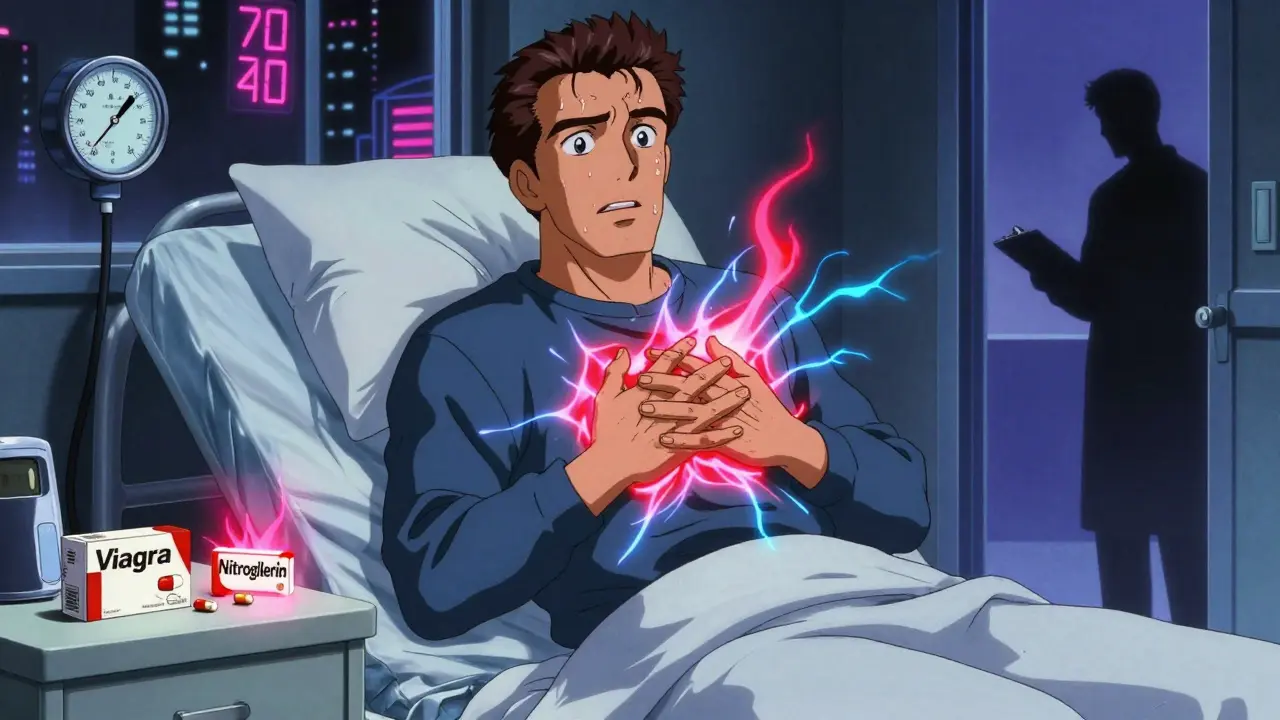
Erectile Dysfunction Medications: Nitrates and Alpha-Blocker Risks
Erectile dysfunction medications like Viagra and Cialis can be dangerous when taken with nitrates or alpha-blockers, causing life-threatening drops in blood pressure. Learn the risks, who's at risk, and what to do to stay safe.

Vitamin K-Rich Vegetables and Warfarin: Complete Food List and Daily Management Guide
Learn how to safely eat vitamin K-rich vegetables while on warfarin. No need to avoid greens-just stay consistent. This guide gives you the full food list, dos and don'ts, and practical steps to keep your INR stable.

Soy Products and Thyroid Medications: Best Practices for Absorption
Soy products can reduce levothyroxine absorption by up to 30%, but timing matters more than avoidance. Learn how to eat soy safely with thyroid medication using science-backed strategies.

Hyponatremia from SSRIs: Low Sodium and Confusion Risk in Older Adults
SSRIs can cause dangerous drops in blood sodium, especially in older adults. Learn the risks, symptoms, and safer alternatives like mirtazapine to avoid confusion, hospitalization, and brain damage.