Drug Interactions: What You Need to Know to Stay Safe
When you take more than one medication, your body doesn’t just see them as separate pills—it sees a chemical conversation that can go wrong. This is what we call a drug interaction, a reaction between two or more medications that changes how they work in your body. Also known as medication interaction, it’s not rare, and it’s not always obvious. Some interactions make drugs weaker. Others turn them into something dangerous. Take PDE5 inhibitors, drugs like Viagra or Cialis used for erectile dysfunction and nitrates, heart medications used for chest pain. Mixing them? That’s a recipe for a sudden, deadly drop in blood pressure. It’s not a myth. It’s a documented risk, and people still end up in the ER because they didn’t know.
Drug interactions don’t only happen between prescription pills. They can happen with generics, supplements, even over-the-counter painkillers. A generic version of a drug might look identical, but if your body reacts differently to it—or if your insurance denies coverage and you switch without telling your doctor—that’s when things get risky. That’s why medication safety, the practice of using drugs correctly to avoid harm isn’t just about reading labels. It’s about knowing what’s in your medicine cabinet, who prescribed it, and whether your pharmacist has reviewed all your meds together. Many people don’t realize their pharmacist can spot dangerous combinations before you even leave the store.
Some interactions are well-known and avoidable. Others sneak in quietly—like when a new supplement you started for energy starts messing with your blood pressure meds. Or when a cold medicine you grabbed at the store cancels out your antidepressant. That’s why the posts below aren’t just about listing drugs. They’re about showing you real cases: how Tadora and nitrates clash, why clonidine can affect schizophrenia symptoms, how generic drug coverage denials can lead to unsafe switches, and why even something as simple as timing your dose can prevent dizziness from tizanidine. These aren’t theoretical risks. They’re lived experiences. You’ll find guides on what to ask your doctor, how to appeal a denied prescription, and which combinations are absolute no-gos. No fluff. No jargon. Just what you need to keep yourself safe while taking the meds you rely on.

Herbal Supplements and Birth Control: Can Natural Herbs Reduce Contraceptive Effectiveness?
Learn which herbal supplements like St. John's wort reduce birth control effectiveness and how to manage risks safely.

Protein Shakes and Levothyroxine: Morning Dose Timing Tips
Learn how protein shakes can interfere with levothyroxine absorption and why waiting four hours between your medication and your shake can make all the difference for thyroid health.
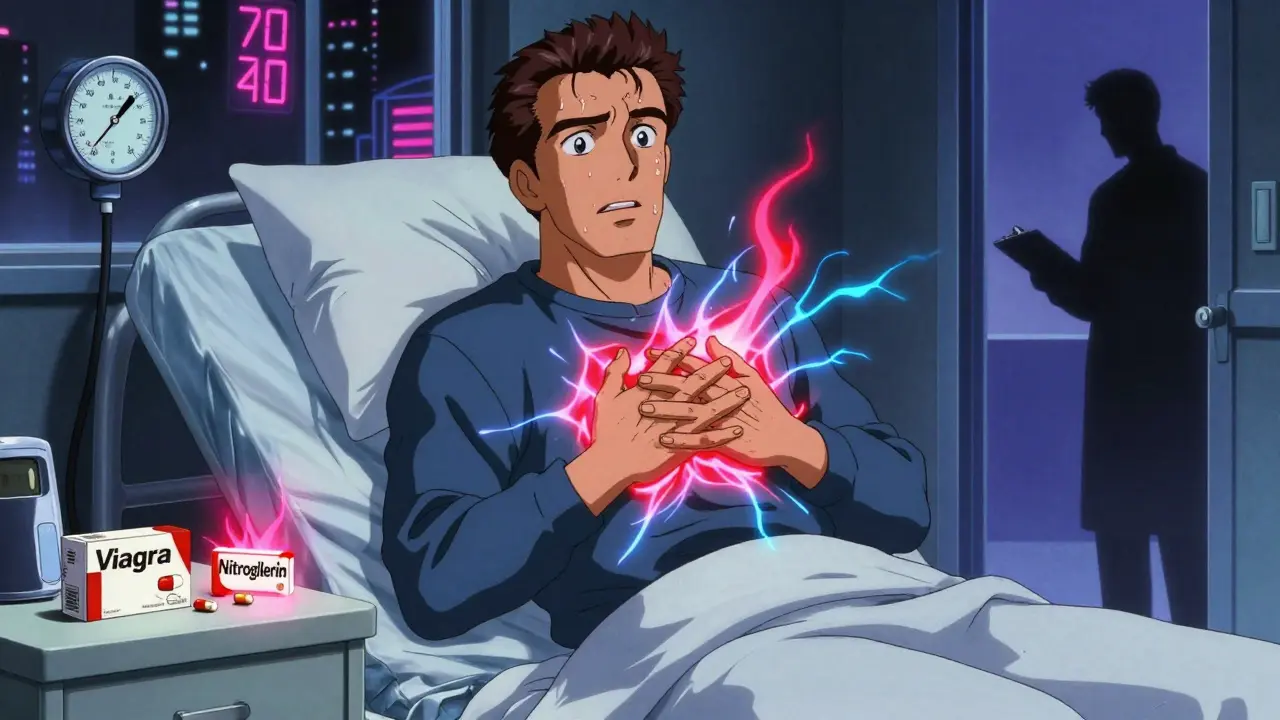
Erectile Dysfunction Medications: Nitrates and Alpha-Blocker Risks
Erectile dysfunction medications like Viagra and Cialis can be dangerous when taken with nitrates or alpha-blockers, causing life-threatening drops in blood pressure. Learn the risks, who's at risk, and what to do to stay safe.
How Medical History Increases Your Risk of Specific Medication Side Effects
Your medical history directly impacts how your body reacts to medications. From past allergies to kidney disease, these factors can double or triple your risk of dangerous side effects. Learn what matters most and how to protect yourself.

Red Flags in Drug Interactions: Critical Combinations Pharmacists Must Check
Learn about dangerous drug combinations pharmacists must check, why they happen, and how to stay safe. Real-world examples and expert insights on preventing medication-related harm.
DOAC Interactions with Other Medications: What You Need to Know
DOACs like apixaban and rivaroxaban are safer than warfarin, but drug interactions can still cause serious bleeding or clots. Learn which medications to avoid and how to stay safe.
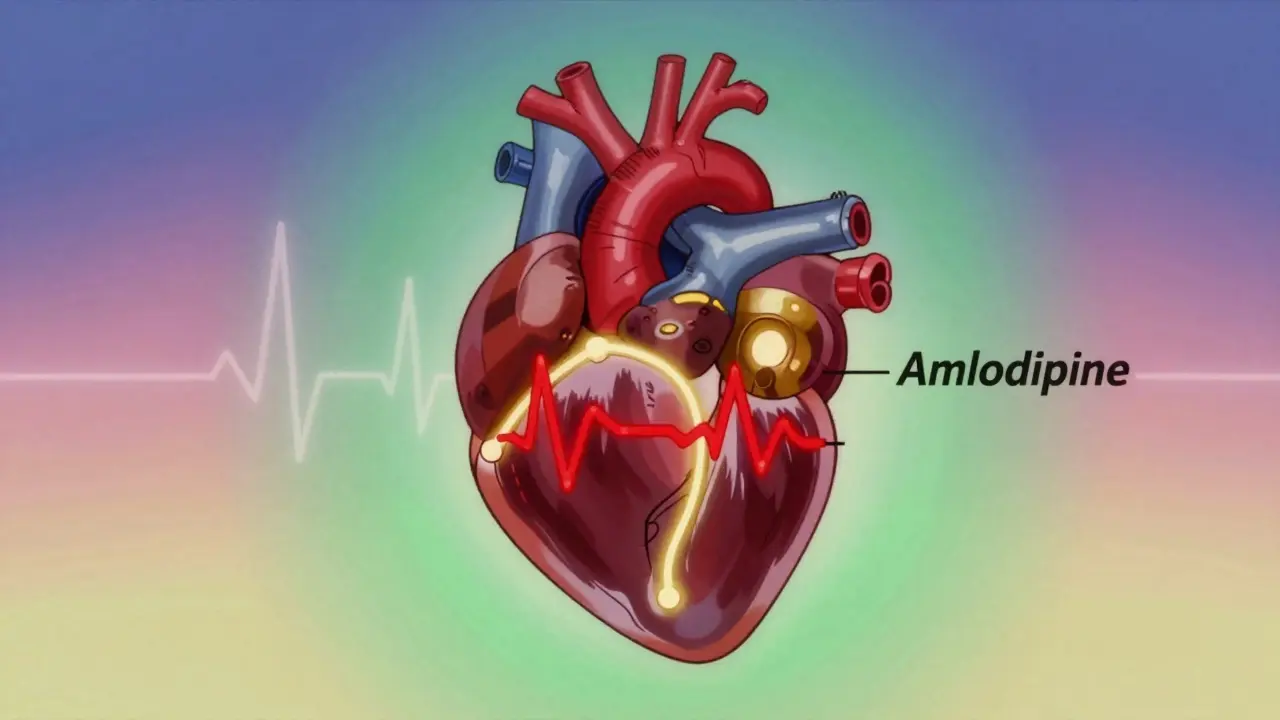
Beta-Blockers and Calcium Channel Blockers: What You Need to Know About Combination Therapy
Combining beta-blockers and calcium channel blockers can be effective for hypertension and angina-but only if you know which types to use. Verapamil and diltiazem carry serious cardiac risks when paired with beta-blockers. Amlodipine is safer. Learn who should avoid this combo and how to use it safely.
Pharmacokinetic vs Pharmacodynamic Drug Interactions: What You Need to Know
Understand how pharmacokinetic and pharmacodynamic drug interactions affect your health. Learn the difference, which drugs are risky, and how to stay safe when taking multiple medications.