Generic Drugs: What They Are, Why They Work, and How to Get Them Covered
When you hear generic drugs, medications that contain the same active ingredients as brand-name drugs but are sold under their chemical name. Also known as generic medications, they work the same way, in the same dose, and with the same safety profile — yet cost up to 80% less. That’s not marketing. That’s science. The FDA requires them to meet the same strict standards as brand-name pills. If your doctor prescribes Lipitor, and you get atorvastatin instead, you’re getting the exact same molecule doing the exact same job.
But here’s the catch: insurance coverage, how health plans decide which drugs they’ll pay for, often based on formularies and cost-saving rules doesn’t always make it easy. Many people get denied coverage for a generic drug because it’s not on their plan’s list — called a non-formulary generic, a generic drug not included in an insurance plan’s approved list. That doesn’t mean it’s unsafe or ineffective. It just means the insurer picked a different version, maybe because they got a better deal on it. But if that version gives you stomach pain, or you can’t find it at your pharmacy, you have rights. You can appeal. You can ask your doctor to file a formulary exception. And you’re not alone — thousands do it every month just to get their blood pressure or diabetes meds.
People often think brand-name drugs are stronger or work faster. They’re not. The only differences are the color, shape, or filler ingredients — things that don’t affect how the drug works in your body. drug equivalence, the scientific proof that a generic performs identically to its brand-name counterpart is tested in labs and clinical trials. So when you see a post comparing Tadora to Viagra, or Celebrex to ibuprofen, you’re seeing how different drugs treat the same condition — not which one is "better." You’re learning what fits your life, your budget, and your body.
And it’s not just about saving money. In refugee camps, a single generic deworming pill like mebendazole can keep kids from getting anemia and missing school. In hospitals, switching from expensive brand-name drugs to generics frees up funds for other critical care. Even in college dorms, knowing how to safely store and dispose of generics prevents misuse and accidental overdoses. These aren’t just pills. They’re tools that keep people healthy when resources are tight.
What you’ll find below is a real-world guide to navigating this system. We’ve pulled together posts that break down how generics compare to brand names, why insurers say no, how to fight back, and which alternatives actually work better for your condition. Whether you’re managing diabetes with empagliflozin, treating OCD with an SSRI, or trying to control your blood pressure without breaking the bank — this collection gives you the facts, not the fluff.
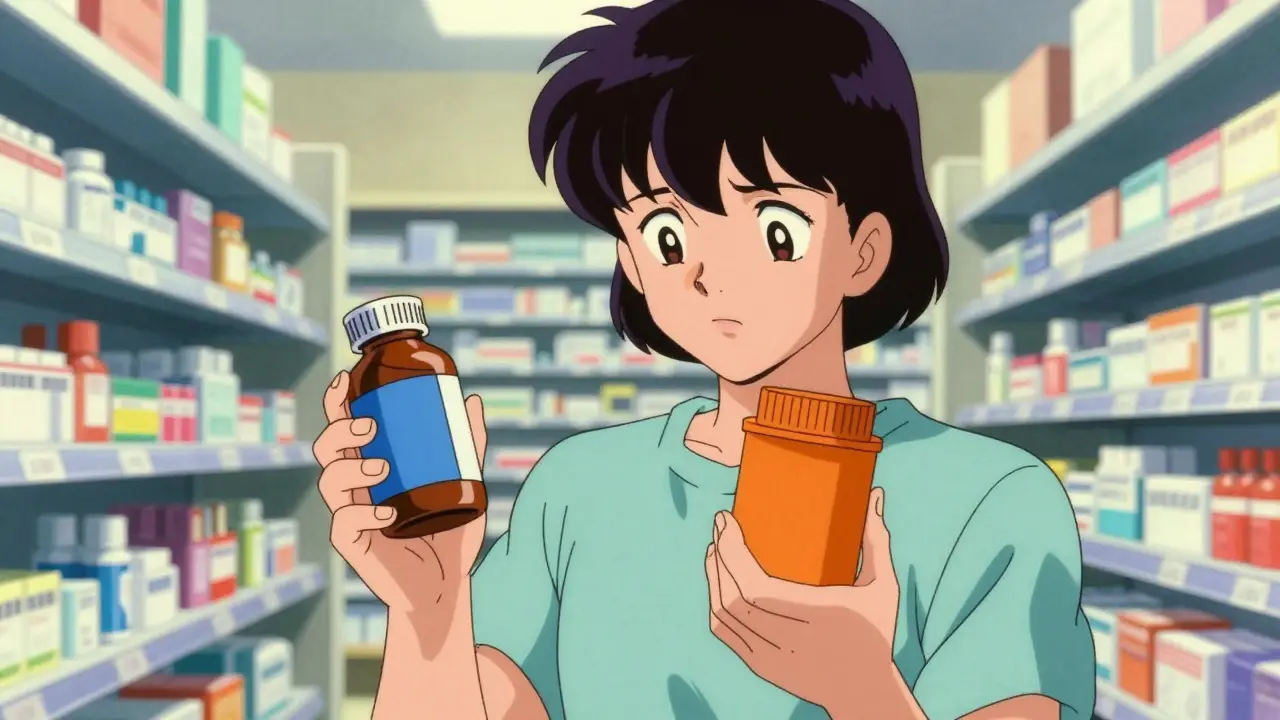
Risk perception: how patients assess generic safety
Patients often question generic drug safety despite scientific proof. This guide explores why mistrust persists, how demographics influence risk perception, and practical steps to bridge the confidence gap between science and sentiment.
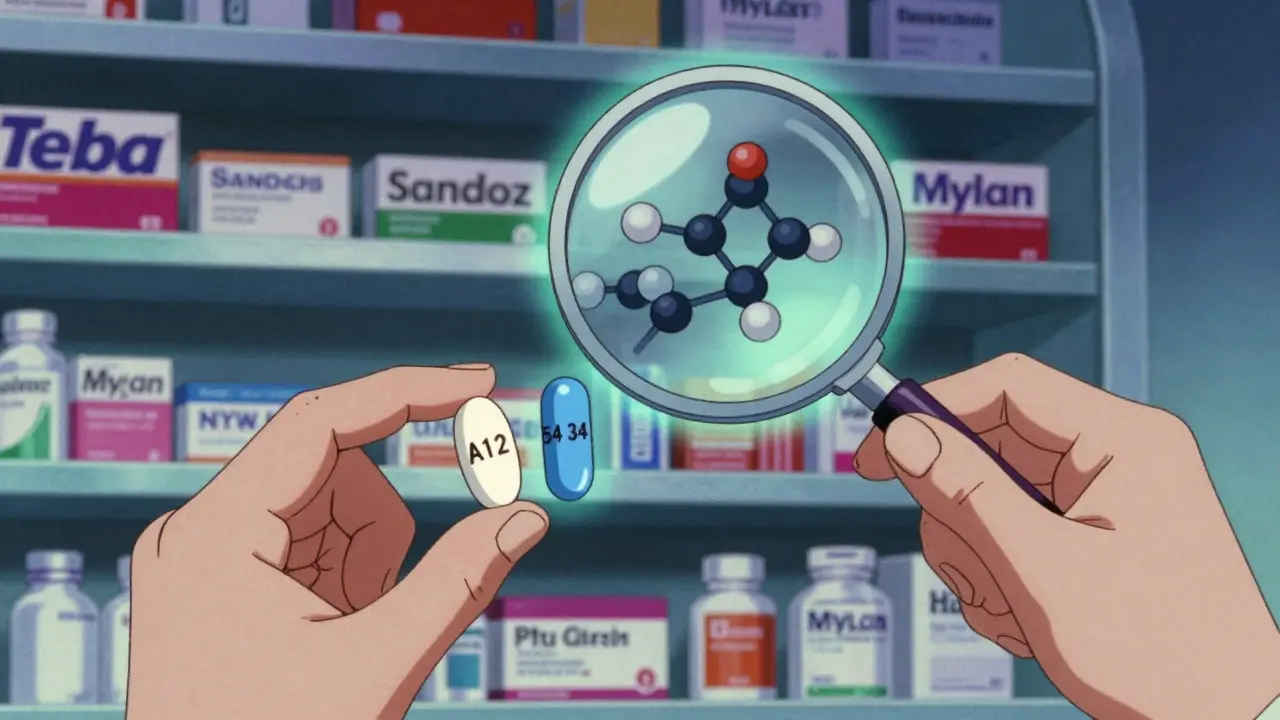
How to Compare Generic Manufacturers and Pill Appearance
Generic drugs save money but often look different. Learn how to check if your pill is still the right medication, why manufacturers change appearance, and when to ask your doctor to keep the same brand.
Generic vs Brand-Name Drugs: Key Differences Explained
Generic drugs save up to 90% on prescription costs and are just as safe and effective as brand-name versions. Learn the facts about FDA approval, cost differences, and when to stick with brand-name meds.
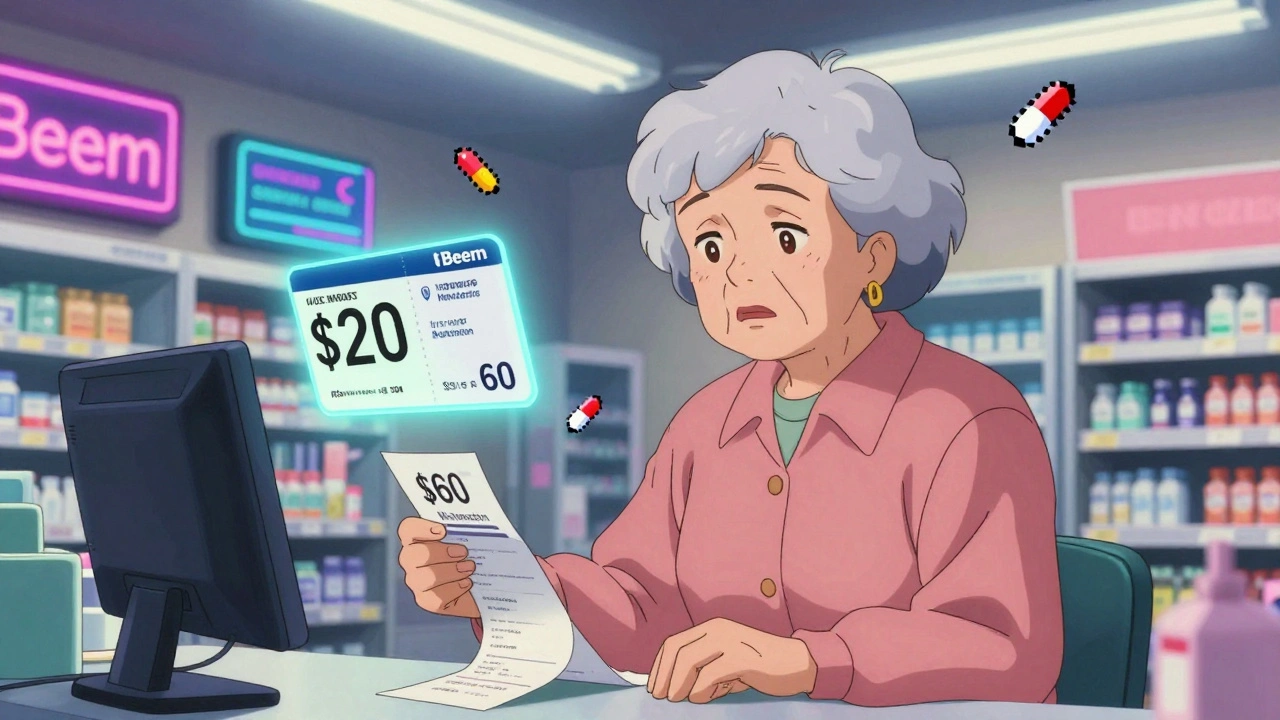
Generic Medication Prices Online: E-Pharmacy vs Retail Costs Compared
Compare generic drug prices between e-pharmacies and retail pharmacies to find real savings. Learn how platforms like Beem and GoodRx cut costs by up to 80% and when to stick with your local pharmacy.
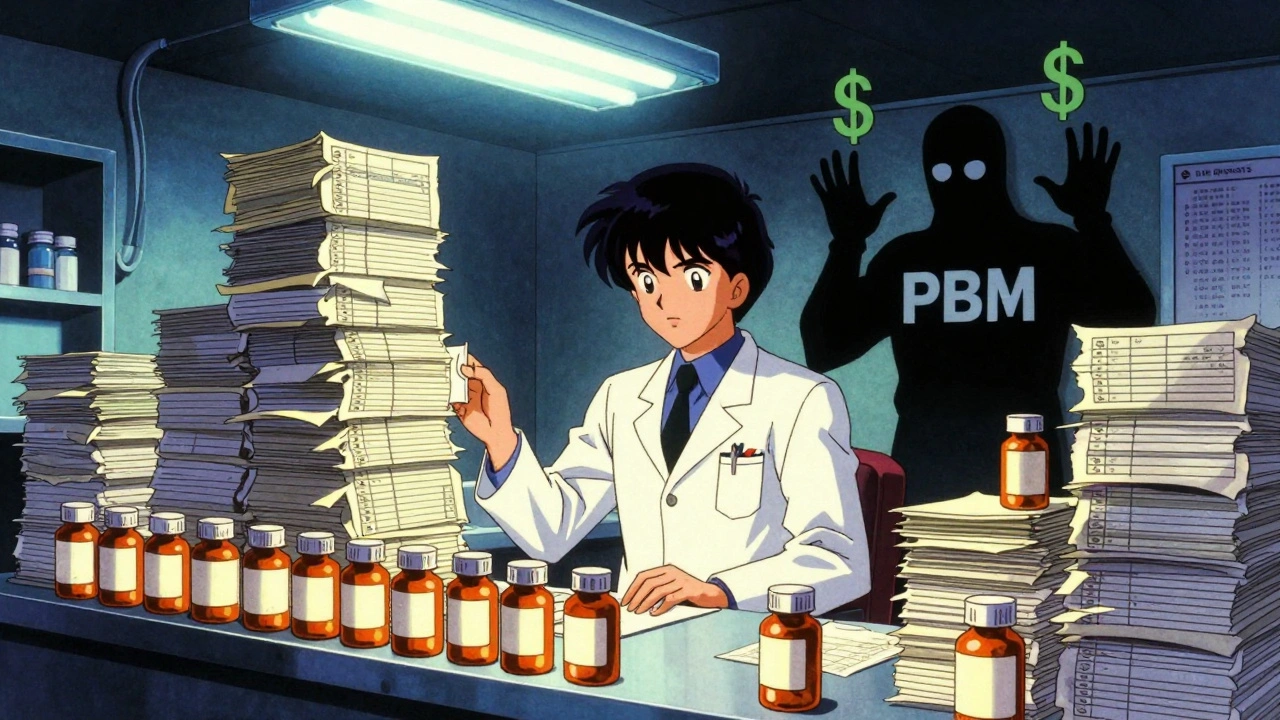
Pharmacy Margin Economics: How Generics Drive Profits Despite Low Prices
Generics make up 90% of prescriptions but only 25% of drug spending - yet they drive 96% of pharmacy profits. Learn how the hidden economics of generics keep pharmacies open - and why independent pharmacies are struggling to survive.

Cost-Saving Strategies While Maintaining Medication Safety
Discover proven ways to cut medication costs without risking your health. From generics to pharmacist-led reviews, learn how to save money while keeping your treatment safe and effective.