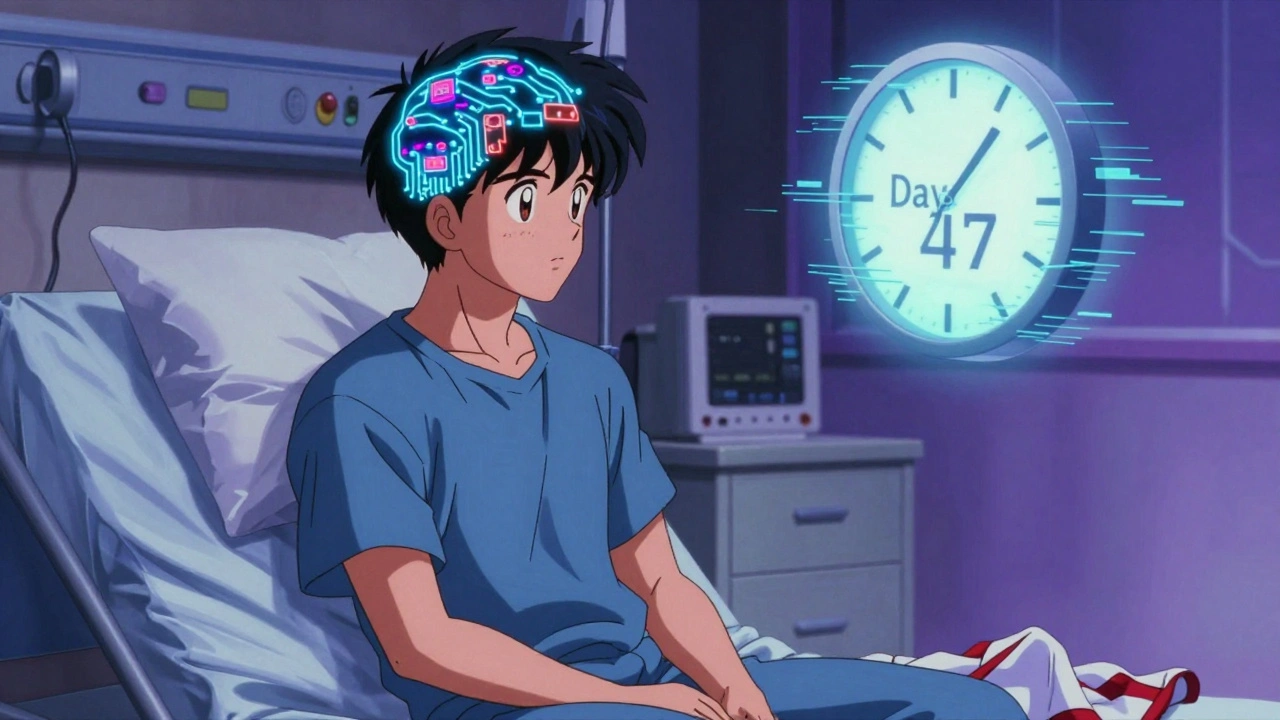
What Is Post-Concussion Syndrome?
Post-Concussion Syndrome (PCS) isn’t just a lingering headache after a bump on the head. It’s when symptoms from a mild traumatic brain injury stick around longer than they should-often for months, sometimes longer. Most people recover from a concussion in a few days to a few weeks. But for 15% to 30% of people, symptoms like dizziness, brain fog, trouble sleeping, irritability, or sensitivity to light and noise don’t go away. That’s PCS.
The brain doesn’t show structural damage on an MRI or CT scan. That’s why it’s confusing. The injury happened at a metabolic level: brain cells are still working harder than they should, using up energy faster, and struggling to communicate. Even after the inflammation is gone, the brain hasn’t returned to normal operation. It’s like a computer running a faulty program-even though the hardware is fine, it’s slow, glitchy, and drains the battery.
Doctors diagnose PCS when symptoms last longer than three months after the injury, according to the ICD-10 guidelines. But many clinicians start paying attention as early as four weeks, especially if symptoms are worsening or not improving. It’s not about the force of the hit-it’s about how your brain responds.
How Long Does Recovery Actually Take?
There’s no one-size-fits-all timeline for PCS recovery. Some people feel better in six weeks. Others take six months. A small number struggle for years. But here’s what the data shows:
- 70-80% of people with concussions recover fully within four weeks with proper activity management.
- For those who develop PCS, symptoms typically start within the first week and last beyond three months.
- Studies show that 10-20% of young athletes have symptoms lasting longer than two weeks.
- Older adults, children under 12, and people with prior concussions tend to take longer to recover.
One study of high school football players found that those who experienced dizziness right after the injury were over six times more likely to have prolonged recovery. Another found that people who scored 20+ points higher on a symptom checklist in the first 24 hours took over a week longer to recover.
Here’s the key: metabolic recovery (when the brain’s energy systems heal) usually happens between 22 and 30 days. But symptomatic recovery-when you feel like yourself again-can lag behind. That’s why rest alone isn’t enough. You can’t just wait for the symptoms to vanish. You have to help your brain rewire.
Why Rest Isn’t Always Best
For years, the advice was simple: rest until you feel better. Stay in a dark room. Avoid screens. Don’t read. Don’t think too hard. But that approach often made things worse.
Studies now show that strict rest beyond 24-72 hours can actually delay recovery. The brain needs gentle, controlled stimulation to relearn how to function. Too much rest leads to deconditioning, anxiety, and a heightened fear of symptoms-which makes the brain more sensitive, not less.
Modern guidelines from the CDC and organizations like Complete Concussions now recommend a phased return to activity. Start with light walking or stationary cycling. If symptoms don’t spike, slowly increase intensity. The goal isn’t to push through pain, but to stay just below the threshold where symptoms flare.
Think of it like rehabbing a sprained ankle. You don’t keep it wrapped in a cast forever. You move it gently, build strength, and gradually return to normal motion. The brain works the same way.

What Does Effective Management Look Like?
Managing PCS isn’t about one treatment. It’s about addressing the specific symptoms you’re experiencing with targeted strategies.
- Vestibular therapy: If you get dizzy, nauseous, or unsteady when you move your head, vestibular rehab helps retrain your balance system. This often involves simple head and eye movements done under supervision.
- Visual therapy: Trouble focusing on screens, reading, or tracking moving objects? Vision therapy can fix how your eyes and brain work together.
- Cervical (neck) therapy: Many PCS symptoms-headaches, dizziness, brain fog-come from neck injuries that happened at the same time as the concussion. Physical therapy for the neck can make a huge difference.
- Graded exercise: Slowly increasing heart rate with walking, biking, or swimming helps restore blood flow regulation in the brain. A common goal is to reach 85-90% of your max heart rate without triggering symptoms.
- Sleep and stress management: Poor sleep and high stress make symptoms worse. Cognitive behavioral therapy (CBT) helps break the cycle of anxiety around symptoms.
One clinic, Cognitive FX, used a program called EPIC Treatment-combining all these approaches-and found that 75% of patients improved their brain function scores within four days. A year later, most were still improving.
Recovery isn’t linear. You might have two good days, then a bad one. That’s normal. Track your symptoms daily. Note what triggers them-stress, screen time, lack of sleep-and adjust accordingly.
How Do You Know You’re Recovered?
Recovery isn’t just "feeling better." It’s measurable. Experts use specific criteria to confirm recovery:
- Post-Concussion Symptom Scale (PCSS) scores below 5 for men and below 6 for women.
- No abnormal findings on neurological or balance exams.
- Ability to exercise at 85-90% of your max heart rate without symptoms returning.
- Returning to work, school, or sports without needing accommodations.
Some people think they’re recovered because they can walk or drive again. But if you still can’t concentrate at work, get headaches after reading, or feel anxious in crowds, you’re not fully back.
Don’t rush. Returning too soon-even if you feel okay-can set you back weeks. Let your symptoms guide you, not your calendar.
Who’s at Higher Risk for Long-Term Symptoms?
Not everyone who gets a concussion ends up with PCS. But some factors make it more likely:
- Previous concussions-each one increases the risk of longer recovery.
- Being under 18 or over 40.
- Having anxiety, depression, or migraines before the injury.
- Experiencing loss of consciousness or memory loss right after the injury.
- Getting medical care late-people seen within a week recover 20 days faster on average than those who wait two or three weeks.
If you’ve had multiple concussions, or if your symptoms don’t start improving after four weeks, don’t wait. See a specialist who understands PCS. General practitioners often don’t have the tools or training to manage it effectively.
What’s New in Research?
Science is catching up. New tools like functional Neurocognitive Imaging (fNCI) can now show exactly which parts of the brain have abnormal blood flow-something a regular MRI can’t do. This lets doctors tailor treatment to the specific areas that need help.
Studies like the CONCERN trial, tracking 1,200 concussion patients over five years, are looking for biomarkers that predict who will develop PCS. The goal? To intervene before symptoms become chronic.
One thing’s clear: PCS isn’t "all in your head." It’s a real, measurable brain dysfunction. And the good news? Most people get better-even if it takes time.
What to Do Next
If you’re still struggling months after a concussion:
- Stop waiting for it to go away on its own.
- Find a clinician trained in concussion rehabilitation-not just a neurologist, but someone who does vestibular, vision, and cervical therapy.
- Start a symptom journal. Track sleep, activity, stress, and triggers.
- Avoid alcohol, excessive caffeine, and screens before bed.
- Don’t push through symptoms. Stay just below your limit.
- Give yourself grace. Recovery isn’t a race. It’s a reset.
The brain is resilient. It doesn’t heal the way a broken bone does, but it can rewire. With the right approach, most people with PCS get their lives back.
Norene Fulwiler
December 4, 2025 AT 07:43And yes, the neck issues were the hidden culprit. My chiropractor ignored it. My neurologist didn't mention it. Physical therapist? She saw it in 30 seconds. That's the difference.
Deborah Jacobs
December 5, 2025 AT 08:50Stephanie Bodde
December 6, 2025 AT 13:10Ali Bradshaw
December 7, 2025 AT 00:54Juliet Morgan
December 7, 2025 AT 17:41aditya dixit
December 9, 2025 AT 08:56Jimmy Jude
December 10, 2025 AT 13:45Harry Nguyen
December 12, 2025 AT 05:24William Chin
December 12, 2025 AT 16:29Ada Maklagina
December 14, 2025 AT 03:25Michael Dioso
December 15, 2025 AT 00:18an mo
December 16, 2025 AT 00:05Mark Ziegenbein
December 16, 2025 AT 08:19