Z-drugs: What They Are, How They Work, and What You Need to Know
When you can’t sleep, a Z-drugs, a class of non-benzodiazepine sedative-hypnotic medications used primarily to treat short-term insomnia. Also known as non-benzodiazepine hypnotics, they’re designed to help you fall asleep faster without the same level of next-day grogginess as older drugs. But they’re not harmless—many people don’t realize how quickly tolerance builds or how hard it can be to stop using them.
Z-drugs include zolpidem, zaleplon, and eszopiclone—each with slightly different timing and effects. Zolpidem (Ambien) works fast but fades quickly, making it good for falling asleep. Zaleplon (Sonata) is even shorter-acting, so it’s used only if you wake up in the middle of the night. Eszopiclone (Lunesta) lasts longer and helps you stay asleep. All of them target the same brain receptors as benzodiazepines, but they’re more selective. That’s why they were marketed as safer. But safety doesn’t mean risk-free. Studies show they can still cause memory problems, dizziness, and even complex sleep behaviors like sleepwalking or making phone calls while asleep—without remembering it later.
These drugs are often prescribed when people are desperate for sleep, but they’re not meant for long-term use. Most doctors recommend them for just a few days to a couple of weeks. If you’ve been taking them longer, you’re not alone—but you might be at risk for dependence. Withdrawal can bring back insomnia worse than before, along with anxiety, tremors, or even seizures. That’s why tapering off under medical supervision matters more than most patients realize. And while alternatives like cognitive behavioral therapy for insomnia (CBT-I) are proven to work better over time, many people never hear about them because pills are easier to hand out.
What you’ll find in this collection are real, practical guides on how Z-drugs fit into modern sleep treatment. You’ll read about how they compare to older medications, what side effects actually happen in daily life, how to spot when they’re doing more harm than good, and what steps to take if you want to get off them safely. You’ll also see how they connect to broader issues—like medication safety alerts, how pharmacies handle prescriptions, and why some people end up with expired bottles they never knew how to dispose of properly. This isn’t just about sleep. It’s about understanding what you’re taking, why, and whether it’s really helping—or just masking the problem.
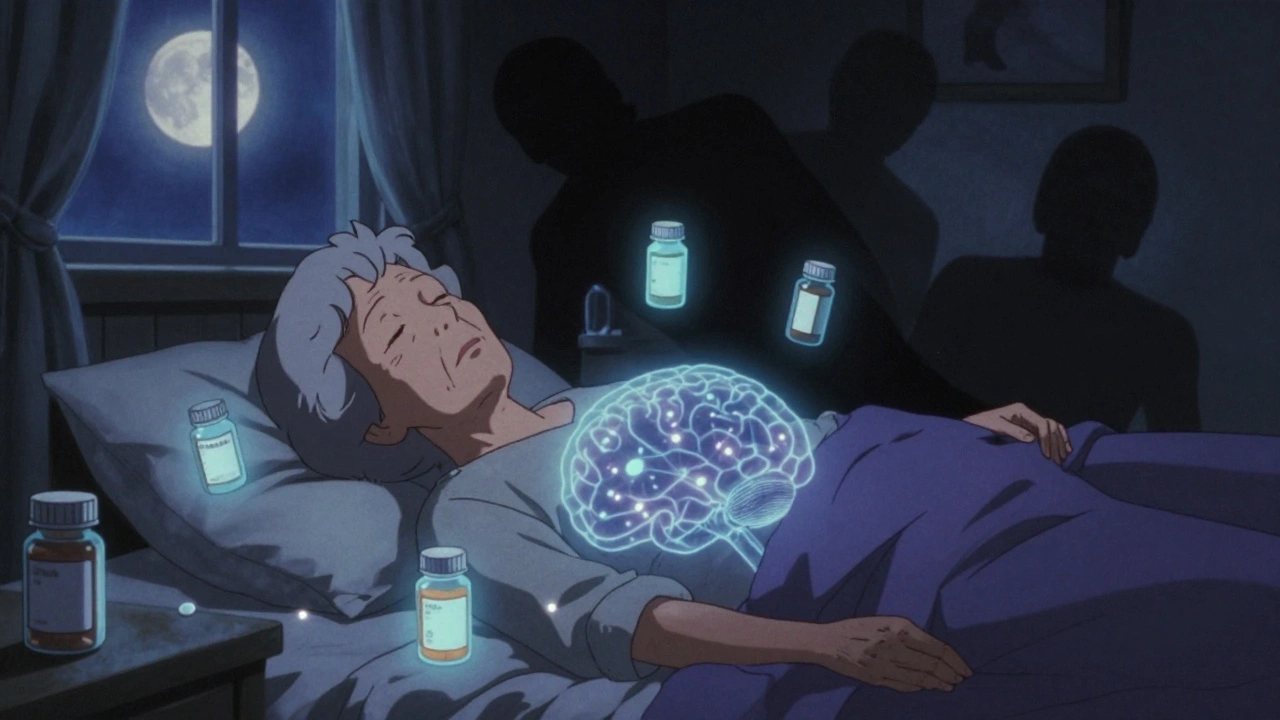
Sleep Medications: Safety, Dependence, and Alternatives
Sleep medications offer quick relief for insomnia but carry serious risks including dependence, memory loss, and falls. Learn why CBT-I is the safer, long-term solution backed by science.