Sleep Medications: What Works, What Doesn’t, and How to Stay Safe
When you can’t sleep, sleep medications, prescription or over-the-counter drugs used to treat insomnia or sleep disturbances. Also known as hypnotics, they’re meant for short-term use to reset your rhythm—not to become a nightly crutch. Many people turn to them after nights of tossing and turning, but not all sleep aids are created equal. Some work fast but leave you groggy. Others are mild but take weeks to show results. And a few? They’re more dangerous than helpful if used wrong.
There’s more to sleep than pills. melatonin, a natural hormone your body makes to signal it’s time to sleep. Also known as the sleep hormone, it helps adjust your internal clock, especially after jet lag or shift work. But it’s not a magic fix for chronic insomnia. Then there’s sleep hygiene, the daily habits and environment choices that support healthy sleep. Also known as bedtime routines, it includes things like avoiding screens before bed, keeping your room cool, and going to sleep at the same time every day. Studies show that improving sleep hygiene often works better than meds for long-term results—and it has zero side effects.
Some sleep medications, like zolpidem or benzodiazepines, can be addictive. Others, like antihistamines sold as OTC sleep aids, leave you feeling foggy the next day. And mixing them with alcohol? That’s a fast track to serious trouble. Even melatonin, while safer, can throw off your natural rhythm if taken at the wrong time or in too high a dose. The key isn’t just finding the right pill—it’s knowing when to skip the pill entirely and fix the root cause: stress, poor routine, or an underlying condition like sleep apnea.
What you’ll find here isn’t a list of top 10 sleep drugs. It’s real talk about what actually helps people sleep better—without risking their health. You’ll see how some meds work for specific cases, why others are overhyped, and how to spot red flags in advice you find online. There are guides on safely using expired sleep aids, what to ask your doctor before starting a new one, and how to avoid the trap of dependency. You’ll also learn how to tell if your insomnia is caused by something else—like anxiety, medication side effects, or even an undiagnosed breathing disorder. This isn’t about quick fixes. It’s about understanding your sleep so you can finally rest without reaching for a bottle.
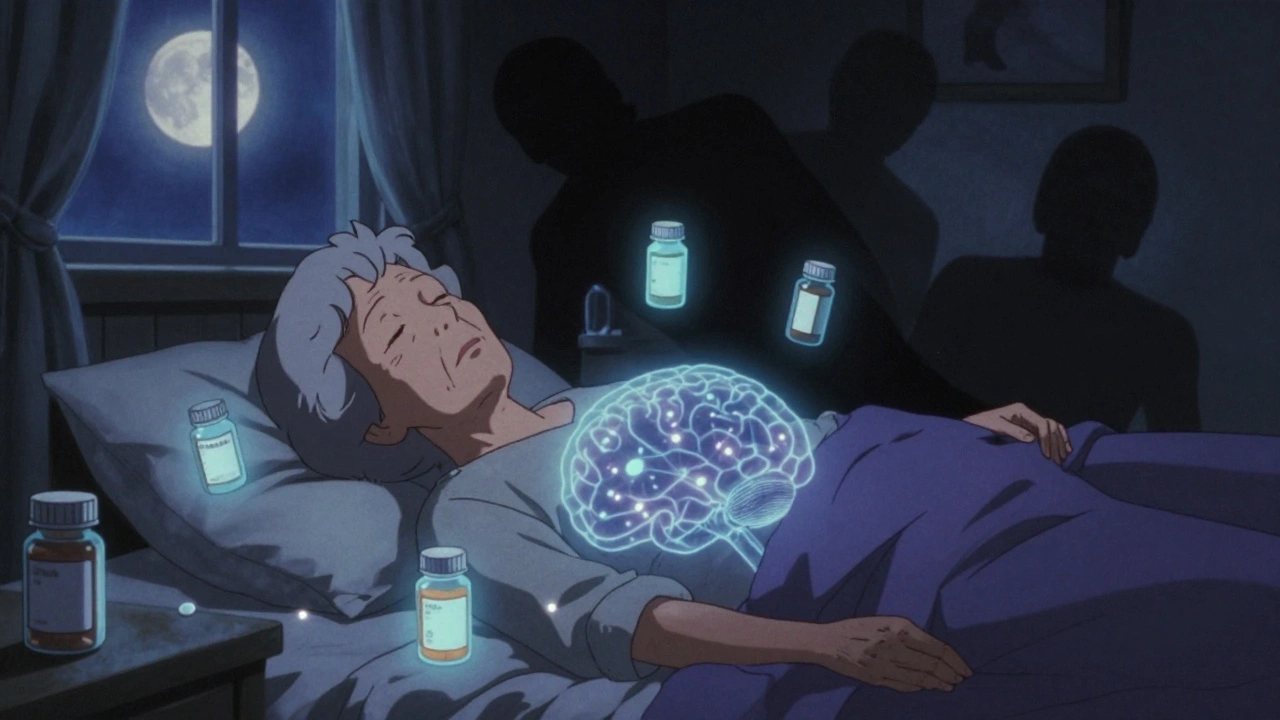
Sleep Medications: Safety, Dependence, and Alternatives
Sleep medications offer quick relief for insomnia but carry serious risks including dependence, memory loss, and falls. Learn why CBT-I is the safer, long-term solution backed by science.