Sleep Aid Dependence: Signs, Risks, and How to Break the Cycle
When you rely on sleep aid dependence, a condition where your body needs medication to fall or stay asleep. Also known as sleeping pill addiction, it doesn’t always mean you’re abusing drugs—it often starts with a good intention: just one pill to get through a rough week. What begins as occasional help can turn into daily need, then withdrawal panic when you skip a dose. This isn’t weakness. It’s how your brain adapts to chemicals that override its natural sleep signals.
benzodiazepine dependence, a type of physical reliance on sedative medications like lorazepam or alprazolam, is one of the most common forms. These drugs work fast but change how your GABA receptors function. Over time, your brain stops making enough of its own calming chemicals. Even non-prescription sleep aids, like diphenhydramine or melatonin supplements can cause dependency if used daily for months. You might not feel withdrawal like with opioids, but you’ll notice this: you can’t sleep without it. And when you try to quit, your insomnia comes back harder.
Most people don’t realize they’re dependent until they try to stop. Then they face brain fog, anxiety, racing thoughts, or even rebound insomnia worse than before. The good news? You don’t have to stay stuck. Many people break this cycle with gradual tapering, better sleep habits, and sometimes therapy—no shame, no drama. Your body can relearn how to sleep naturally. It just takes time and the right plan.
The posts below cover real stories and science-backed ways to handle this. You’ll find how to spot early signs of reliance, what medications are safest for long-term use, how to talk to your doctor about cutting back, and even how to manage withdrawal without panic. Some posts dive into alternatives like CBT-I, the gold standard for chronic insomnia. Others warn about the hidden risks of mixing sleep aids with alcohol or other meds. There’s no one-size-fits-all fix, but you’re not alone—and there are clear, proven paths forward.
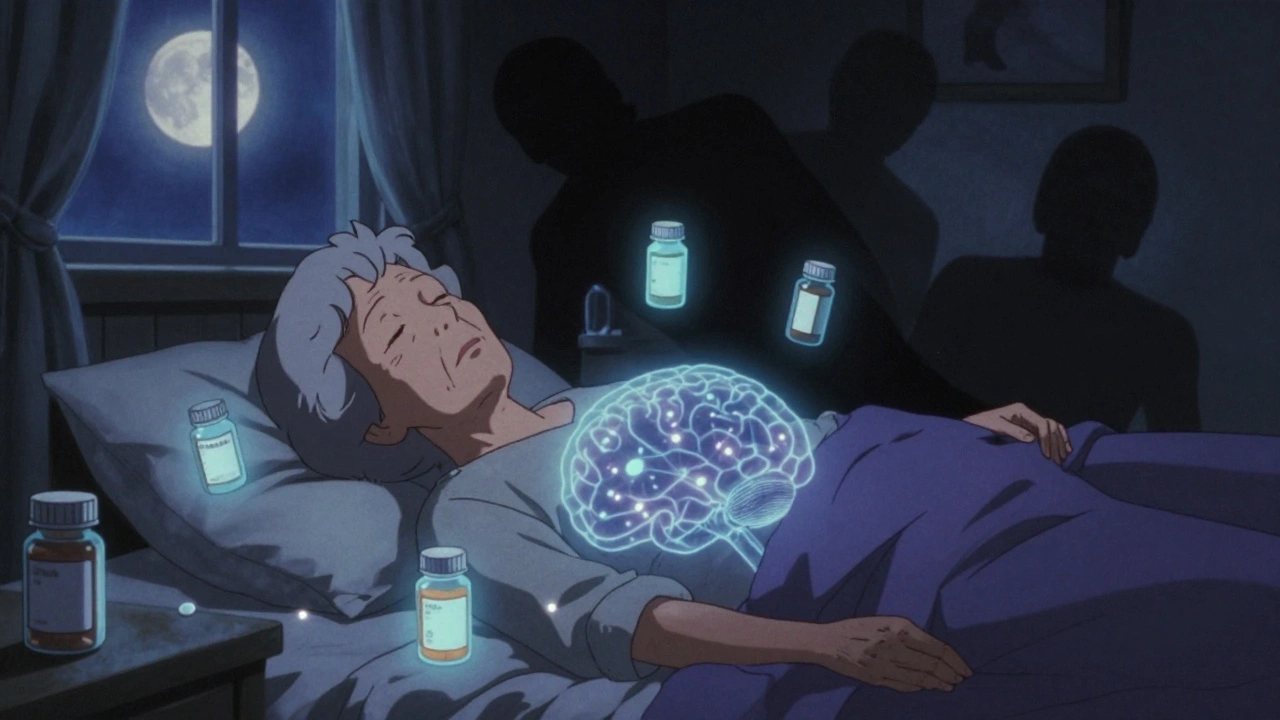
Sleep Medications: Safety, Dependence, and Alternatives
Sleep medications offer quick relief for insomnia but carry serious risks including dependence, memory loss, and falls. Learn why CBT-I is the safer, long-term solution backed by science.