Retail Pharmacy Costs: What You Really Pay and Why
When you walk into a retail pharmacy, a local or chain drugstore that dispenses prescriptions and over-the-counter medicines to the public. Also known as community pharmacy, it's the place most people pick up their meds—yet few understand what’s really behind the price tag. That $10 pill isn’t just the cost of the drug. It’s layered with wholesale markups, insurance negotiations, and the hidden economics of how pharmacies stay open. Most people assume pharmacies make big profits on every prescription, but the truth is more complicated. Generic drugs, brand-name medications that become available after patent expiration and are chemically identical to the original. Also known as off-patent drugs, they make up 90% of prescriptions but only 25% of total drug spending. Even so, they’re the main reason most pharmacies survive. Why? Because while generics cost less to buy, their reimbursement rates from insurance and pharmacy benefit managers (PBMs) are often the only thing keeping the lights on.
Here’s the catch: your out-of-pocket cost doesn’t always reflect the pharmacy’s actual cost. A $4 generic might cost the pharmacy $1.50, but your copay is $4 because the PBM set that rate. Sometimes, pharmacies lose money on generics but make it back on other services—like immunizations, health screenings, or selling vitamins. Pharmacy margins, the profit percentage a pharmacy earns after covering all costs. Also known as retail pharmacy profit margin, they’ve shrunk to under 2% for many independents. That’s not much when you factor in rent, staff, and compliance. Meanwhile, big chains use volume and corporate deals to squeeze out smaller players. If you’ve ever wondered why your local pharmacy closed, this is why. And if you’ve ever been shocked by a price hike on a drug you’ve taken for years, it’s often not the manufacturer raising prices—it’s the PBM changing reimbursement rules.
So what can you do? You’re not powerless. Ask your pharmacist if a different generic brand is cheaper. Check if your insurance has a preferred network. Use cash prices—sometimes they’re lower than your copay. And don’t assume your insurance is saving you money; sometimes it’s making things worse. The retail pharmacy costs you see are shaped by a system designed for volume, not transparency. But understanding how it works lets you make smarter choices. Below, you’ll find real guides on how to cut medication costs without risking safety, how generics drive pharmacy profits, how to handle insurance denials, and how to spot when you’re being overcharged. These aren’t theoretical tips—they’re what people are actually using to save money and stay healthy.
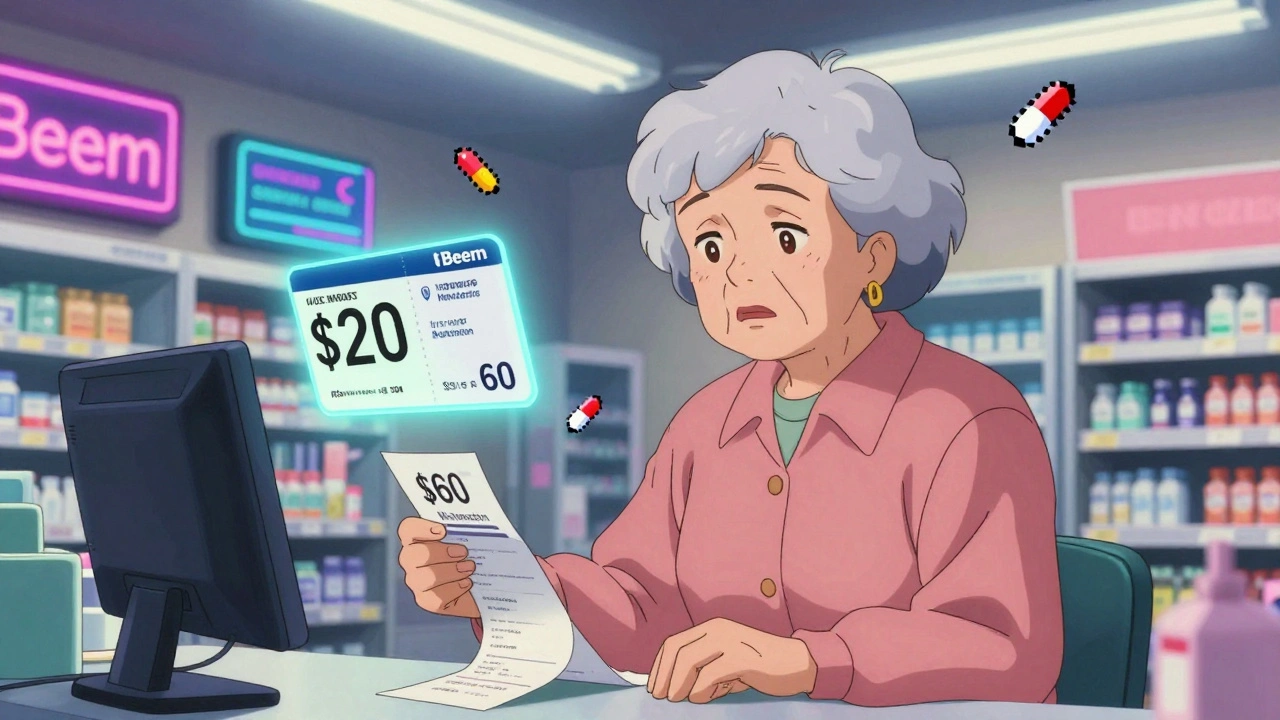
Generic Medication Prices Online: E-Pharmacy vs Retail Costs Compared
Compare generic drug prices between e-pharmacies and retail pharmacies to find real savings. Learn how platforms like Beem and GoodRx cut costs by up to 80% and when to stick with your local pharmacy.