Post-Concussion Syndrome: Symptoms, Recovery, and What Really Helps
When a post-concussion syndrome, a collection of persistent symptoms following a head injury, often lasting weeks or months after the initial trauma. Also known as persistent post-concussive symptoms, it affects people even when scans show no visible damage. This isn’t just a headache that won’t quit—it’s a mix of dizziness, brain fog, trouble sleeping, irritability, and sensitivity to light or noise that lingers long after the bump on the head. Many assume if you didn’t lose consciousness, you’re fine. But that’s not true. Post-concussion syndrome can happen after a mild blow, a fall, a car accident, or even a sports hit that seemed minor at the time.
It’s not just about the brain. The neurological system, the network of nerves and signaling pathways that control movement, sensation, and cognition gets thrown off balance, and recovery isn’t linear. Some people feel better in a few weeks. Others struggle for months. And while rest used to be the go-to advice, newer research shows that too much inactivity can actually slow healing. Controlled, gradual activity—like walking or light stretching—is now part of the standard approach. The vestibular system, the inner ear network responsible for balance and spatial orientation often gets damaged too, leading to dizziness or trouble focusing. That’s why physical therapy targeting balance and eye movements helps more than just waiting it out.
What you won’t find in most online guides? The real stories. Like the teacher who couldn’t read a whiteboard for six months after a fall, or the teen who stopped playing soccer after one hit and spent months managing anxiety and memory lapses. These aren’t rare cases. They’re common. And they’re why the posts below matter. You’ll find guides on how to track your symptoms, when to push through fatigue and when to stop, what medications actually help (and which ones don’t), and how to talk to doctors who still think it’s all in your head. You’ll also see how to spot when something else—like a migraine disorder or anxiety—is hiding behind concussion symptoms. No fluff. No hype. Just what works, what doesn’t, and what to do next.
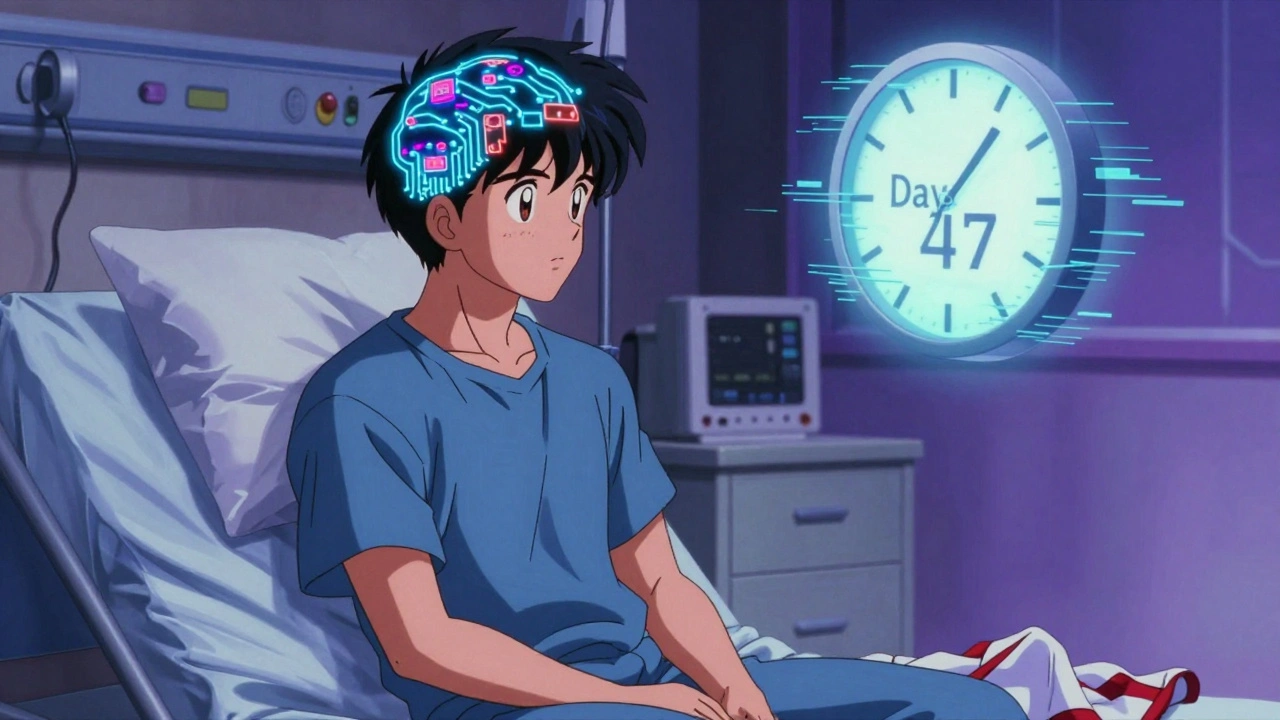
Post-Concussion Syndrome: What to Expect During Recovery and How to Manage Symptoms
Post-Concussion Syndrome can last months after a mild brain injury. Learn the real recovery timelines, why rest isn't always the answer, and what actually works to manage symptoms like dizziness, brain fog, and headaches.