Poison Control: What to Do When Medications Go Wrong
When something goes wrong with a medication—whether it’s a child swallowing pills, an adult mixing drugs by accident, or an expired bottle causing trouble—you need poison control, a free, 24/7 emergency service that guides you through toxic exposures and overdose risks. Also known as toxicology hotline, it’s not just for kids—it’s for anyone who takes meds, supplements, or uses household chemicals. Most people think poison control means calling 911, but that’s not always right. In fact, 90% of cases can be handled safely at home if you act fast and know what to say.
It’s not just about pills. Think about cleaning products, essential oils, pesticides, or even too much acetaminophen. These are all common triggers for poison control calls. The medication safety, the practice of using drugs correctly to avoid harm starts long before you open a bottle—it’s about storage, labeling, and knowing what happens when things go sideways. That’s why posts here cover how to spot fake generics, when expired eye drops become dangerous, and how to use mail-back envelopes to get rid of old meds safely. Poison control isn’t just a number to call—it’s a system you should understand before you need it.
And it’s not just about the drug itself. The real risk often comes from mixing things—like PDE5 inhibitors with nitrates, or stimulants with antidepressants. That’s why drug interactions, when two or more substances change how each affects your body are a major focus in the articles below. You’ll find real examples: how a simple blood pressure pill can crash your system if taken with Viagra, or why a migraine med might be unsafe during pregnancy. These aren’t theoretical risks. They’re daily realities for people managing multiple prescriptions.
What you’ll find here isn’t fear-mongering. It’s practical. How to keep meds away from kids. How to read labels so you don’t double-dose. How to respond when someone collapses after taking something they shouldn’t. How to use post-marketing data to track if a drug becomes unsafe after it hits the market. You’ll see how people use prepaid envelopes to dispose of old pills, how to verify if a generic is real, and what to do after a drug safety alert shakes your trust.
This isn’t about panic. It’s about preparedness. Poison control saves lives because it turns confusion into action. And the more you know about what can go wrong, the better you are at keeping yourself and your family safe. Below, you’ll find real stories, real data, and real steps—no fluff, no jargon, just what works when seconds count.
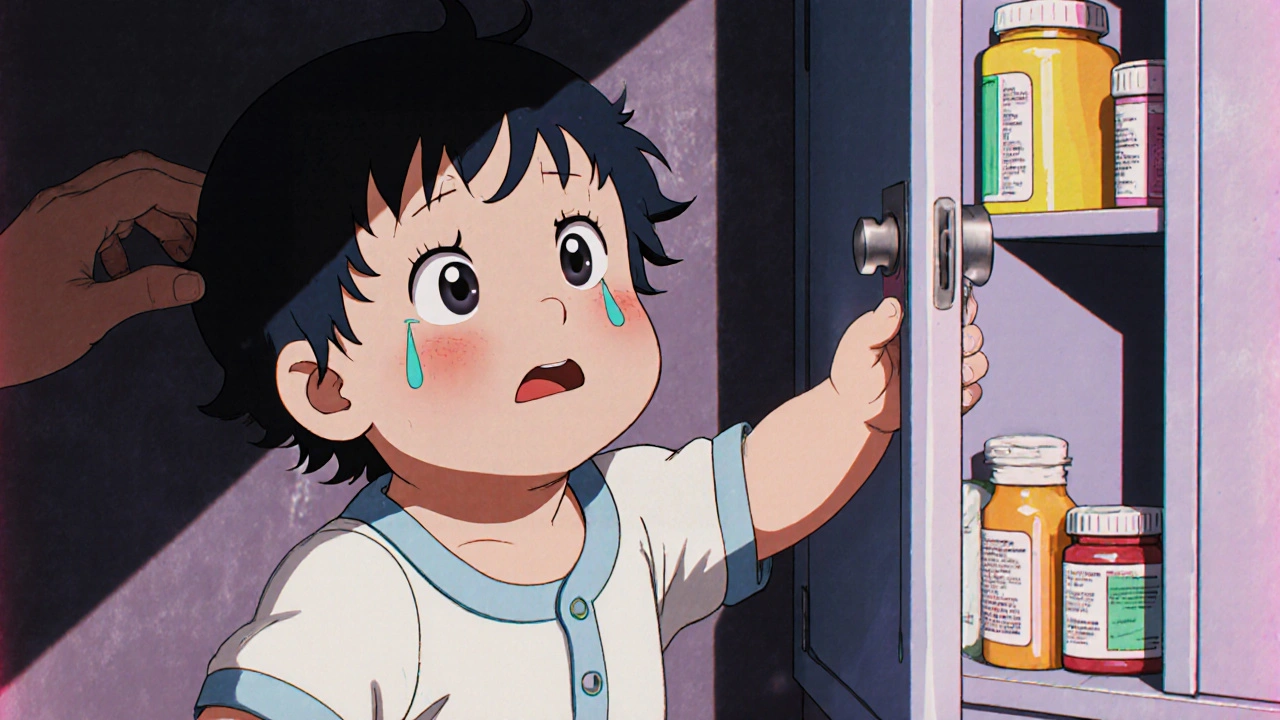
How to Prevent Pediatric Exploratory Ingestion Overdoses: Practical Steps for Parents and Caregivers
Learn practical, evidence-based steps to prevent accidental poisonings in children under five. From locking cabinets to using the right dosing tools, this guide covers the real risks and proven solutions.