Pharmacy Margins: What You Really Need to Know About Drug Pricing and Profit
When you pick up a prescription, you’re not just paying for the pills—you’re paying for the pharmacy margins, the difference between what a pharmacy pays for a drug and what it charges you. Also known as drug markup, this is how pharmacies stay open, pay staff, and cover overhead—even when insurance pays most of the bill. It’s not magic. It’s math. And it’s why two pharmacies down the street can charge wildly different prices for the same generic pill.
Pharmacy margins aren’t the same everywhere. Big chains often get bulk discounts from manufacturers, so their margins are thin but volume-driven. Independent pharmacies? They might charge more per pill, but they make up for it with personalized service and fewer middlemen. generic drugs, lower-cost versions of brand-name medications approved by the FDA. Also known as non-brand medications, they make up over 90% of prescriptions—and they’re where most of the margin action happens. A $5 generic might cost the pharmacy $1.50, leaving a $3.50 profit. That’s not greed—it’s survival. Without that gap, many pharmacies couldn’t afford to stock less common meds, run blood pressure clinics, or offer free delivery.
And then there’s drug pricing, the complex system that sets what insurers, pharmacies, and patients pay for medications. Also known as retail drug cost structure, it involves manufacturers, wholesalers, PBMs (pharmacy benefit managers), and insurance companies—all taking a cut. The final price you see at checkout? It’s often not what the pharmacy actually keeps. Sometimes, a drug’s list price is high, but your copay is low because your insurer negotiated a rebate. Other times, you pay full price because your plan doesn’t cover it—and the pharmacy still makes a decent margin on that $200 antibiotic.
Here’s the thing: pharmacy margins aren’t hidden. They’re built into every pill bottle, every refill, every insurance denial. But most people don’t realize how much control they have. You can ask for cash prices. You can compare prices between pharmacies. You can use mail-order services or discount apps. And if a drug seems way too expensive, it’s not just you—it’s the system. The posts below show real examples: how to save on meds without risking safety, how to fight insurance denials for generics, how to spot when you’re being overcharged, and how patient advocacy groups help cut costs. You’re not powerless. You just need to know where to look.
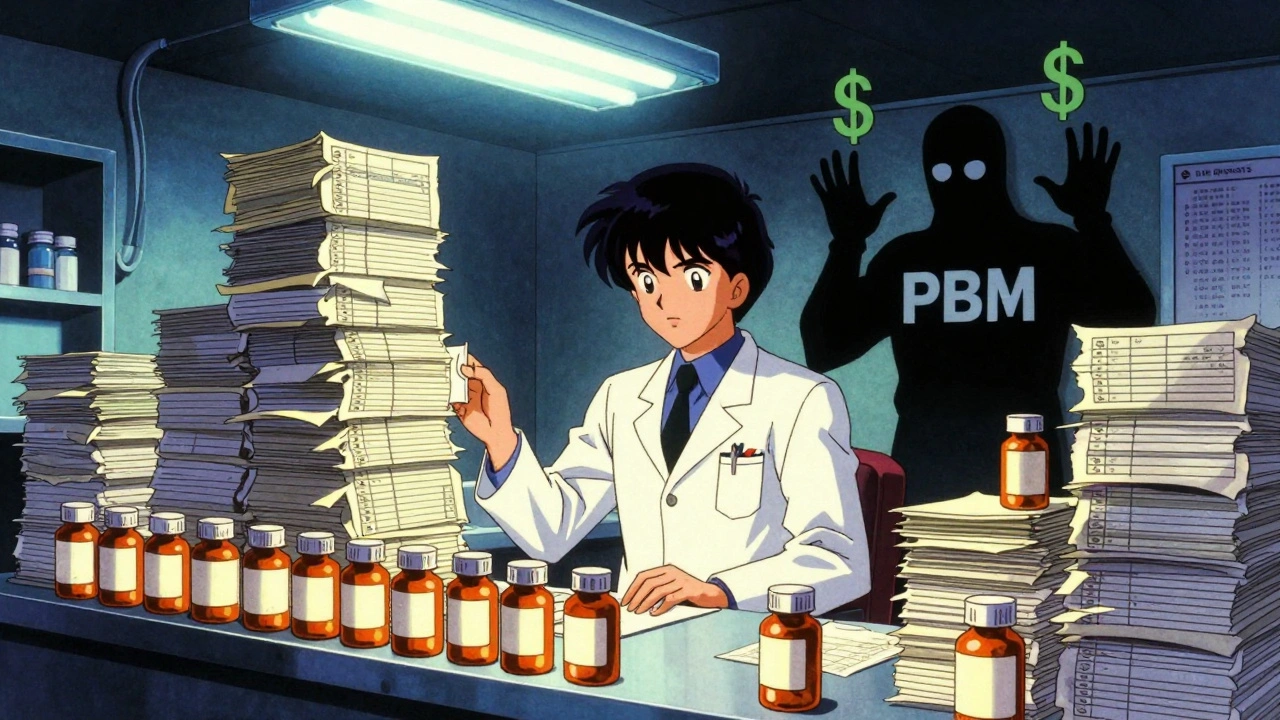
Pharmacy Margin Economics: How Generics Drive Profits Despite Low Prices
Generics make up 90% of prescriptions but only 25% of drug spending - yet they drive 96% of pharmacy profits. Learn how the hidden economics of generics keep pharmacies open - and why independent pharmacies are struggling to survive.