Pediatric Overdose Prevention: Protecting Kids from Medication Accidents
When it comes to pediatric overdose prevention, the practice of stopping children from accidentally taking too much medicine. It's not about scary warnings—it's about simple, daily choices that keep kids safe. Every year, over 60,000 children under six end up in emergency rooms because they got into medicine meant for adults. Most of these cases happen at home, in plain sight—on nightstands, in purses, or left out after a dose. The real danger isn’t just pills. Liquid medications, patches, gummies that look like candy, and even topical creams can be deadly if a toddler gets hold of them.
safe medicine storage, the act of keeping all medications out of reach and sight of children. It's not enough to put them "up high." Kids climb. They open cabinets. They copy what adults do. The safest place is a locked box, high and away from where you keep snacks or vitamins. And don’t rely on child-resistant caps—they’re not child-proof, just child-resistant. A determined 2-year-old can open them in seconds. Also, never call medicine "candy" to get a child to take it. That teaches them medicine = treat. child medication safety, a set of habits that reduce the chance of accidental poisoning in young ones. This includes using the right dosing tool—never a kitchen spoon—and writing down when each dose was given to avoid double-dosing. Many parents give Tylenol every 4 hours, then again at 6 because they lost track. That’s how overdoses happen. And while we talk about pills, don’t forget patches. Fentanyl patches used for chronic pain can kill a child with one touch. Always remove and fold them in half with sticky sides together before tossing them in a secure trash bin.
There’s also drug poisoning in children, a medical emergency caused by unintentional ingestion of toxic amounts of medication. Symptoms can be silent at first—drowsiness, vomiting, or just acting "off." If you suspect your child took something, don’t wait for symptoms. Call Poison Control immediately at 1-800-222-1222. Keep that number saved in your phone, written on the fridge, and told to babysitters. Time matters more than you think. And while you’re at it, ask your pharmacist about pediatric drug errors, mistakes in dosing, timing, or medication choice that happen when treating children. Kids aren’t small adults. Their bodies process drugs differently. A dose that’s safe for a 10-year-old could be lethal for a 2-year-old. Always confirm the exact amount, not just the pill count. These aren’t just tips—they’re lifelines.
What follows are real, practical stories from parents, pharmacists, and doctors who’ve seen what happens when things go wrong—and what worked when they acted fast. You’ll find advice on disposal, emergency prep, recognizing hidden risks in common meds, and how to talk to caregivers without sounding alarmist. No fluff. No fear-mongering. Just what you need to keep your child safe, one smart choice at a time.
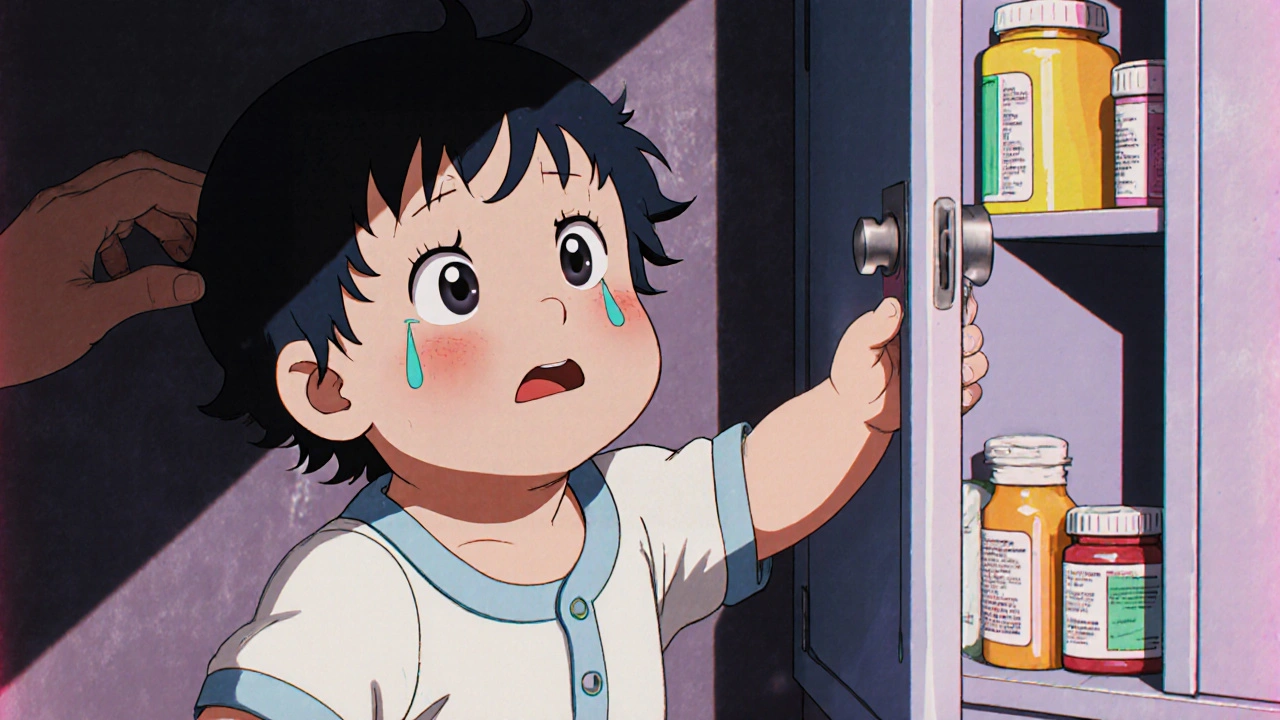
How to Prevent Pediatric Exploratory Ingestion Overdoses: Practical Steps for Parents and Caregivers
Learn practical, evidence-based steps to prevent accidental poisonings in children under five. From locking cabinets to using the right dosing tools, this guide covers the real risks and proven solutions.