OTC Medicine Risks: What You Need to Know Before Taking Them
When you grab an OTC medicine, a medication you can buy without a prescription, often used for minor symptoms like pain, allergies, or colds. Also known as non-prescription drugs, they’re designed to be safe for self-use—but that doesn’t mean they’re risk-free. Millions of people take them daily without a second thought, but the truth is, OTC medicine risks are real, common, and often ignored. These aren’t candy. They’re active chemicals that interact with your body, other meds, and even your diet in ways you might not expect.
One of the biggest dangers? Drug interactions, when two or more medications affect each other’s behavior in your body, leading to reduced effectiveness or dangerous side effects. Take acetaminophen, the go-to for headaches and fever. It’s in over 600 products—from cold remedies to sleep aids. Taking more than one at a time can easily push you past the safe daily limit of 4,000 mg, which can cause liver failure. Or consider NSAIDs like ibuprofen. They’re great for pain, but if you’re on blood pressure meds, they can make them useless—or worse, spike your blood pressure. And don’t forget about OTC side effects, unintended reactions that aren’t listed as the main purpose of the drug, like drowsiness, dizziness, or confusion. Diphenhydramine, found in many sleep aids and allergy pills, can cause memory problems and falls in older adults. These aren’t rare cases. They’re routine.
Then there’s the issue of masking symptoms. If you’re popping painkillers every day for a headache, you might be ignoring a serious underlying problem—like high blood pressure, a sinus infection, or even a brain tumor. OTC meds don’t fix the cause; they just hide the signal. And when you rely on them long-term, your body adapts. You need more to get the same relief. That’s how dependence starts—even with drugs you think are harmless.
Even the packaging lies. "Natural" doesn’t mean safe. Herbal supplements like St. John’s Wort can interfere with antidepressants, birth control, and even chemotherapy. And many people don’t realize that OTC drugs are still regulated by the FDA—meaning they’re approved for use, not for safety in every situation. What’s safe for one person can be deadly for another, especially if you have kidney disease, liver issues, or are pregnant.
You’re not alone in thinking these are low-stakes choices. But the data doesn’t lie: over 100,000 emergency room visits each year in the U.S. are linked to improper OTC use. Most of them are preventable. The key isn’t avoiding these drugs—it’s using them with eyes wide open. Know what’s in them. Check labels. Ask your pharmacist. Don’t assume because it’s on a shelf, it’s harmless.
Below, you’ll find real stories, hard facts, and practical steps to avoid the traps most people walk into. Whether you’re managing chronic pain, treating a cold, or just trying to sleep better, these posts will show you how to use OTC medicines without putting your health on the line.
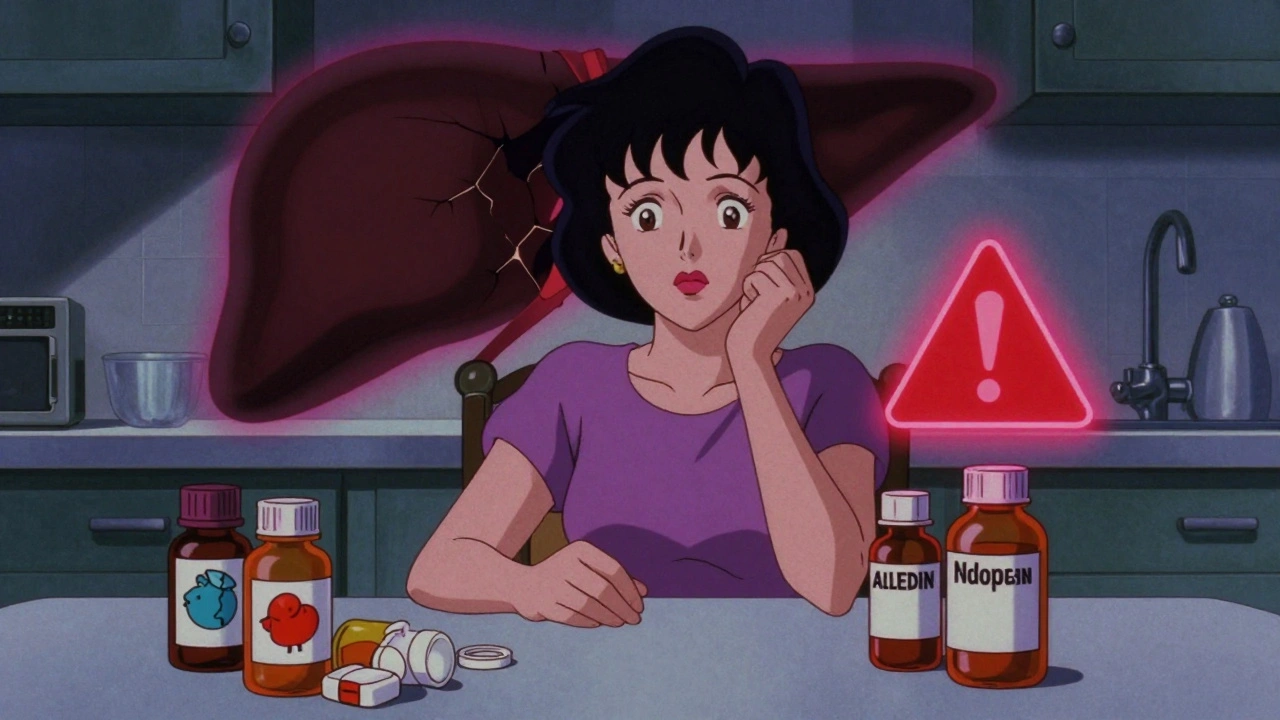
Safe Use of Multiple Medications: How to Avoid Double Ingredients and Prevent Overdose
Learn how to avoid dangerous double ingredients when taking multiple medications. Discover the most common hidden risks, who's most at risk, and 5 simple steps to prevent accidental overdose.