Insulin Reaction: What It Is, How to Spot It, and What to Do
When your blood sugar drops too low because of insulin, you're having an insulin reaction, a sudden drop in blood glucose triggered by too much insulin or not enough food. Also known as hypoglycemia, it’s not just a nuisance—it can lead to confusion, seizures, or even unconsciousness if not treated fast. This isn’t rare. People on insulin for type 1 or type 2 diabetes face this risk daily, especially if they skip meals, over-exercise, or miscalculate their dose.
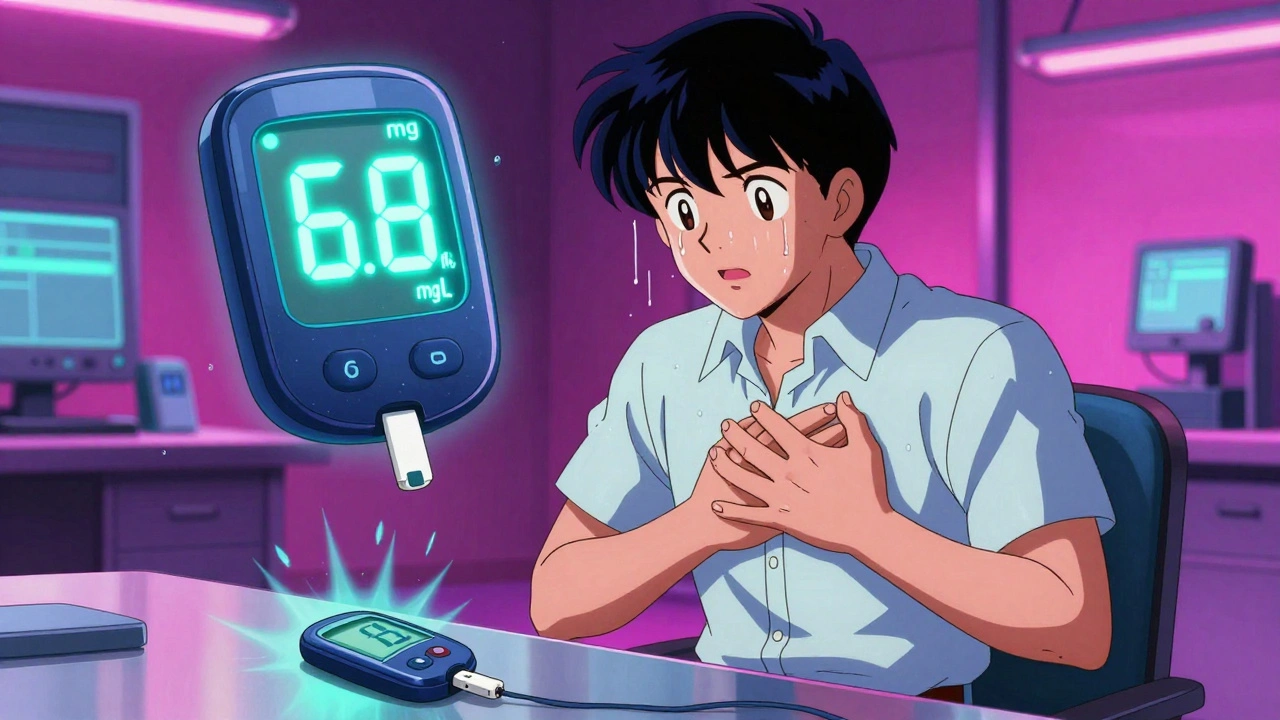
What makes an insulin reaction tricky is how fast it hits. One minute you’re fine, the next you’re sweating, shaking, or feeling like you’re about to pass out. Your body’s telling you: fuel needed now. The signs are clear—hunger, dizziness, rapid heartbeat, blurred vision, irritability. Some people even get a strange metallic taste or feel numbness in their lips. These aren’t just "bad days." They’re biological alarms. And if you’re caring for someone on insulin, learning these signs could save their life. Hypoglycemia, the medical term for low blood sugar is the root cause, and it’s closely tied to how insulin works in your body. Too much insulin pulls sugar out of your bloodstream faster than your liver can replace it. That’s when trouble starts.
It’s not just about taking insulin. Other things can trigger an insulin reaction: drinking alcohol without food, intense workouts without adjusting your dose, or even certain medications that boost insulin’s effect. Even a small change in routine can throw things off. That’s why tracking patterns matters. Did it happen after lunch? After walking the dog? After skipping breakfast? Writing it down helps you and your doctor spot the triggers. And don’t forget—some people lose their warning signs over time. That’s called hypoglycemia unawareness. It’s dangerous because you don’t feel it coming. If this sounds familiar, talk to your doctor about adjusting targets or using a continuous glucose monitor.
What you do in the moment makes all the difference. The 15-15 rule works: eat 15 grams of fast-acting carbs—glucose tablets, juice, regular soda—then wait 15 minutes. Check your blood sugar again. If it’s still low, repeat. Don’t go for candy bars or complex carbs. They’re too slow. And never give someone an insulin reaction a shot of insulin. That’s the opposite of help. If they’re confused or can’t swallow, don’t try to feed them. Call emergency services. Glucagon kits exist for this exact reason. Keep one handy. Know how to use it. Practice with a family member.
Below, you’ll find real, practical guides on how to prevent these reactions before they happen, how to recognize them in others, and what to do when the system fails you. From spotting unsafe advice online to managing insulin safely at home, these posts give you the tools—not just theory—to stay in control. This isn’t about fear. It’s about being ready.
Hypoglycemia: How to Recognize, Treat, and Prevent Low Blood Sugar
Learn how to recognize, treat, and prevent low blood sugar in people with diabetes. Understand symptoms, emergency treatment with glucagon, and proven prevention strategies backed by current medical guidelines.