Insomnia Treatment: Effective Ways to Sleep Better Without Pills
When you can’t sleep, even simple things like closing your eyes feel impossible. Insomnia treatment, the set of strategies used to restore normal sleep patterns when falling or staying asleep becomes a persistent problem. Also known as chronic sleep disruption, it’s not just about being tired—it’s about your brain and body losing the rhythm they need to recover. This isn’t a one-night thing. If you’ve been lying awake for weeks, or if you’re up at 3 a.m. more than three times a week for over a month, you’re dealing with chronic insomnia. And it’s more common than you think—one in three adults struggles with it at some point.
Most people reach for sleeping pills first, but they don’t fix the root problem. Cognitive behavioral therapy for insomnia, a structured, evidence-based approach that rewires how you think about sleep and changes habits that keep you awake is what doctors actually recommend as the first step. It’s not therapy in the talk-it-out sense. It’s practical: fixing your bedtime routine, stopping the mental racing when you’re in bed, and learning to associate your bedroom with sleep—not stress. Studies show it works better than pills over time, and the effects last long after you stop.
Then there’s sleep hygiene, the daily habits and environment choices that either help or hurt your ability to fall and stay asleep. It sounds simple—no screens before bed, keep your room cool, avoid caffeine after noon—but most people do it wrong. You can’t just skip coffee at 4 p.m. and expect to sleep better if you’re scrolling through your phone until midnight. Sleep hygiene isn’t a checklist. It’s a lifestyle reset.
And yes, sometimes medication plays a role. But not the kind you see on TV. Real sleep medications, prescription drugs used short-term under medical supervision to break the cycle of sleeplessness are carefully chosen based on your age, other health issues, and whether you’re waking up too early or can’t fall asleep at all. They’re not magic. They’re tools—used only when other methods haven’t worked, and always paired with behavioral changes.
You won’t find one fix that works for everyone. Some people need to adjust their light exposure. Others need to treat anxiety or sleep apnea first. A few find relief with simple changes like getting morning sunlight or cutting out late-night snacks. The key is knowing what’s behind your insomnia—not just chasing sleep, but fixing the system that’s broken.
Below, you’ll find real, practical guides written by people who’ve been there. From how to safely stop using sleep meds to why your phone is stealing your rest, these posts cut through the hype and give you what actually works. No fluff. No promises of overnight cures. Just clear, actionable steps to help you sleep again.
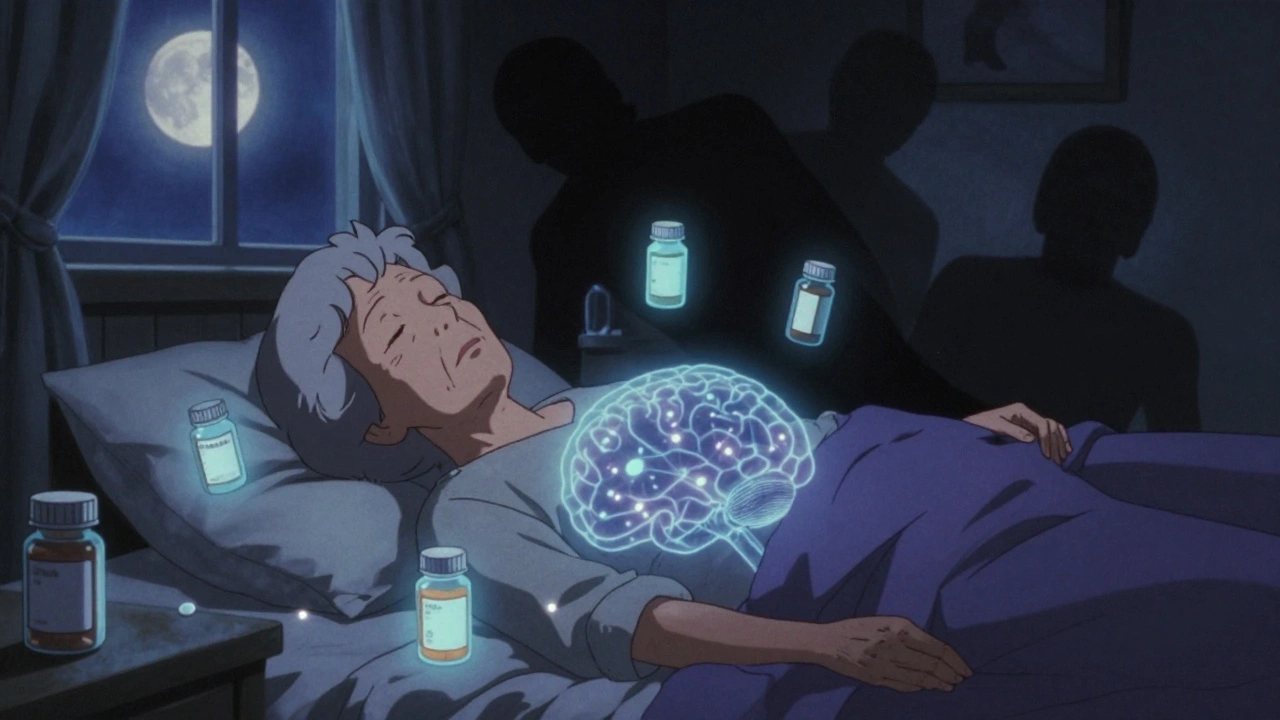
Sleep Medications: Safety, Dependence, and Alternatives
Sleep medications offer quick relief for insomnia but carry serious risks including dependence, memory loss, and falls. Learn why CBT-I is the safer, long-term solution backed by science.