Hypoglycemia: What It Is, How It Happens, and How to Stay Safe
When your blood sugar drops too low, your body sends out warning signs—sweating, shaking, confusion, or even fainting. This is hypoglycemia, a condition where blood glucose falls below 70 mg/dL, often triggering a stress response in the body. Also known as low blood sugar, it’s not just something people with diabetes deal with—it can happen to anyone, especially if they skip meals, take too much insulin, or overdo exercise. It’s not a one-time glitch. Left untreated, hypoglycemia can lead to seizures, loss of consciousness, or worse.
Most people think hypoglycemia only happens to those on insulin or diabetes meds, but that’s not the whole story. People using insulin, a hormone that lowers blood sugar, often prescribed for type 1 or advanced type 2 diabetes are at highest risk, especially if they miscalculate doses. But even those on oral diabetes medications, like sulfonylureas or meglitinides, which force the pancreas to release more insulin can crash. And it’s not always about medication—too much caffeine, alcohol on an empty stomach, or intense workouts without proper fuel can trigger it too. The body reacts fast: your brain needs sugar to function, so when levels drop, your nervous system screams for help.
Recognizing the early signs is the key to stopping it before it escalates. A quick snack with 15 grams of fast-acting carbs—like juice, glucose tablets, or even candy—can bring you back. But if you’re confused or can’t swallow, you need someone else to act. That’s why many people with frequent hypoglycemia carry glucagon kits, a shot that tells the liver to dump stored sugar into the blood. It’s not just about avoiding sugar crashes—it’s about understanding what makes your body react differently than others. Some people don’t feel the warning signs at all, a condition called hypoglycemia unawareness, which makes it even more dangerous.
The posts below cover real-world scenarios you might not expect: how to safely manage expired insulin, what to do when your blood sugar drops during sleep, how certain medications can increase your risk, and why some people with diabetes still get low blood sugar even when they think they’re doing everything right. You’ll find advice on recognizing hidden triggers, handling emergencies without panic, and adjusting your routine to stay stable—not just surviving, but living without fear of the next crash.
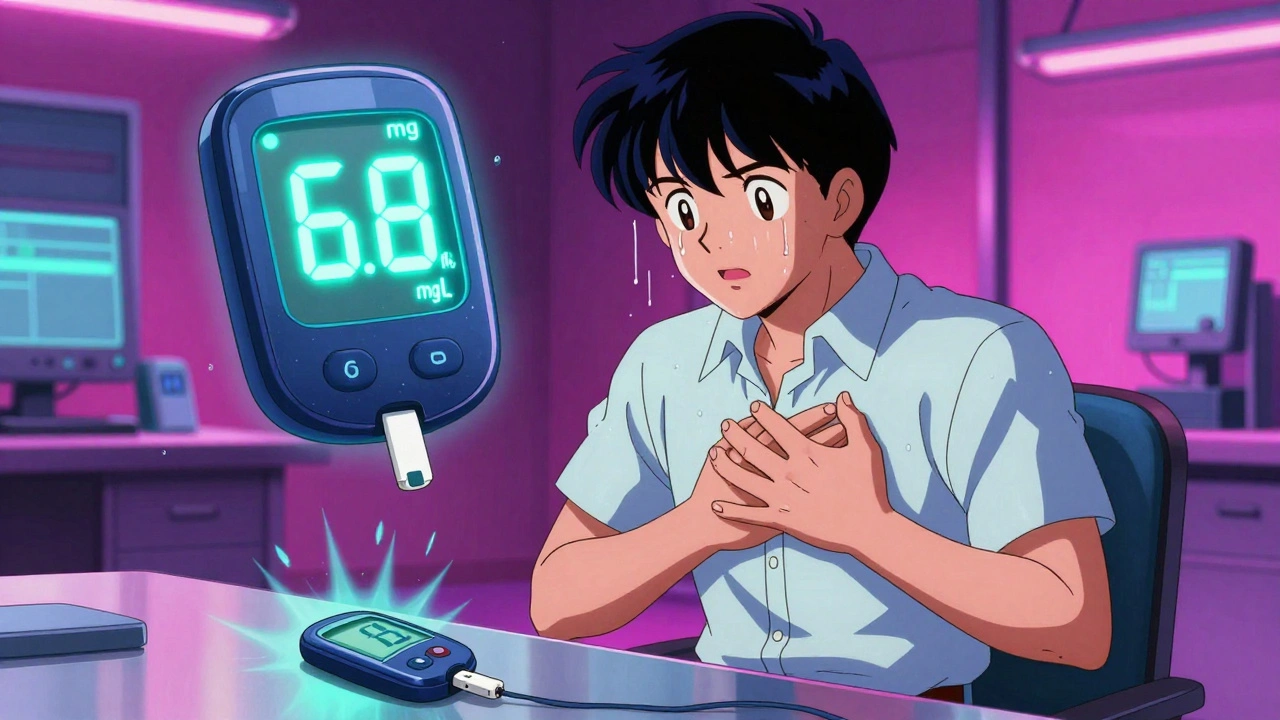
Hypoglycemia: How to Recognize, Treat, and Prevent Low Blood Sugar
Learn how to recognize, treat, and prevent low blood sugar in people with diabetes. Understand symptoms, emergency treatment with glucagon, and proven prevention strategies backed by current medical guidelines.