High-Protein Snacks: Smart Choices for Energy, Muscle, and Stable Blood Sugar
When you need a quick bite that actually does something for your body, high-protein snacks, food choices rich in amino acids that support muscle repair, satiety, and metabolic balance. Also known as protein-rich bites, they’re not just for bodybuilders—they’re a practical tool for anyone trying to avoid energy crashes, control hunger, or recover from daily activity. Unlike sugary snacks that spike and crash your blood sugar, these foods give you steady fuel. That’s why people managing diabetes, athletes, busy parents, and even older adults looking to preserve muscle mass are turning to them.
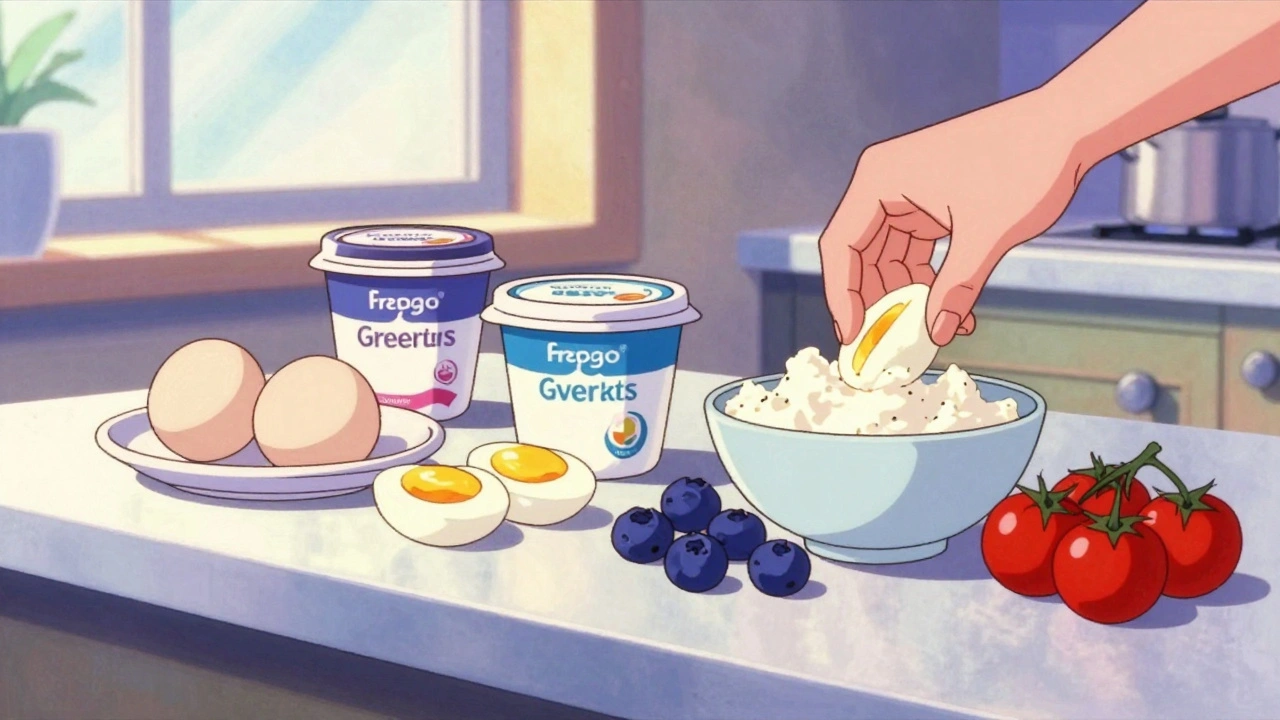
What makes a snack truly high-protein? It’s not just the label. A good one delivers at least 10 grams of protein per serving, comes with minimal added sugar, and pairs well with fiber or healthy fats to slow digestion. Think Greek yogurt, hard-boiled eggs, cottage cheese, edamame, turkey slices, or a small handful of almonds. These aren’t fancy supplements—they’re real food. And they work because they trigger the same biological responses: they reduce ghrelin (the hunger hormone), boost peptide YY (the fullness signal), and help stabilize insulin. That’s why you don’t feel sluggish 30 minutes after eating them. You stay sharp. You stay steady.
It’s not just about eating more protein—it’s about timing and pairing. A high-protein snack between meals prevents overeating later. After a workout, it kickstarts muscle repair. If you’re on medication that affects appetite or metabolism, like some diabetes or weight-loss drugs, it helps you stay on track without cravings. And if you’re skipping meals because you’re busy, these snacks keep your body from entering survival mode, where it holds onto fat and breaks down muscle instead.
Some people avoid them because they think protein means chalky shakes or weird bars. But the best options are simple, affordable, and often already in your fridge or pantry. You don’t need to buy special products. You just need to know what to look for—and what to skip. The posts below show you exactly that: real examples of snacks that work, how to spot misleading labels, how to use them with medications like GLP-1 agonists for weight loss, and why some protein sources are safer than others if you have kidney issues or food sensitivities. You’ll find tips for packing them on the go, how to store them safely, and even how to handle them if you’re managing conditions like eczema or migraines where diet plays a role. This isn’t about trends. It’s about what actually helps your body function better, day after day.
Healthy Snacking: High-Protein, Low-Calorie Ideas for Weight Management
Discover high-protein, low-calorie snacks that help manage weight by keeping you full longer, reducing cravings, and supporting muscle health without excess sugar or calories.