e-Pharmacy Prices: What You Really Pay for Online Medications
When you buy meds online, you’re not just paying for the pills—you’re paying for e-pharmacy prices, the cost structure behind online drug sales that includes shipping, markup, and regulatory compliance. Also known as online pharmacy costs, it’s the hidden math behind why one site charges $10 for a 30-day supply of metformin and another asks $45. Not all e-pharmacies are built the same. Some are licensed pharmacies with real pharmacists behind the screen. Others are front companies selling fake or expired drugs. The price difference isn’t just about competition—it’s about trust, legality, and where the supply chain actually begins.
Behind every generic drug pricing, the cost of unbranded medications sold under their chemical name, often 80-90% cheaper than brand-name versions. Also known as generic medication costs, it’s a key driver in how affordable treatment becomes is a system built on bulk buying, pharmacy benefit managers (PBMs), and reimbursement rules. That’s why a $5 generic at your local pharmacy might cost $12 online—even if it’s the exact same pill. Some e-pharmacies cut corners by sourcing from unverified international suppliers. Others pay for faster shipping, 24/7 customer service, or free consultations. The cheapest option isn’t always the safest. Look for pharmacies that require a prescription, list a physical address, and have a licensed pharmacist you can talk to. If the site doesn’t answer basic questions about where their drugs come from, walk away.
Then there’s telepharmacy, the practice of delivering pharmacy services remotely via video, chat, or automated systems, often linked to online ordering. Also known as digital pharmacy care, it’s changing how people get meds without leaving home. Many e-pharmacies now bundle medication delivery with virtual reviews—like checking your blood pressure meds or adjusting your thyroid dose over a Zoom call. These services add value, but they also add cost. The real win? When you combine low e-pharmacy prices with a free medication review from a real pharmacist. That’s how you avoid dangerous interactions, catch expired drugs before they’re shipped, and make sure you’re not paying twice for the same thing.
What you’ll find in the posts below isn’t a list of the cheapest sites. It’s a guide to understanding why prices shift, how to spot scams hiding behind low numbers, and how to use tools like prepaid mail-back envelopes, patient advocacy grants, and generic verification to protect your wallet and your health. You’ll learn how pharmacy margins work, why some generics cost more than others, and how to push back when insurance denies coverage. This isn’t about finding the lowest bid. It’s about knowing what you’re really buying—and who’s behind the screen.
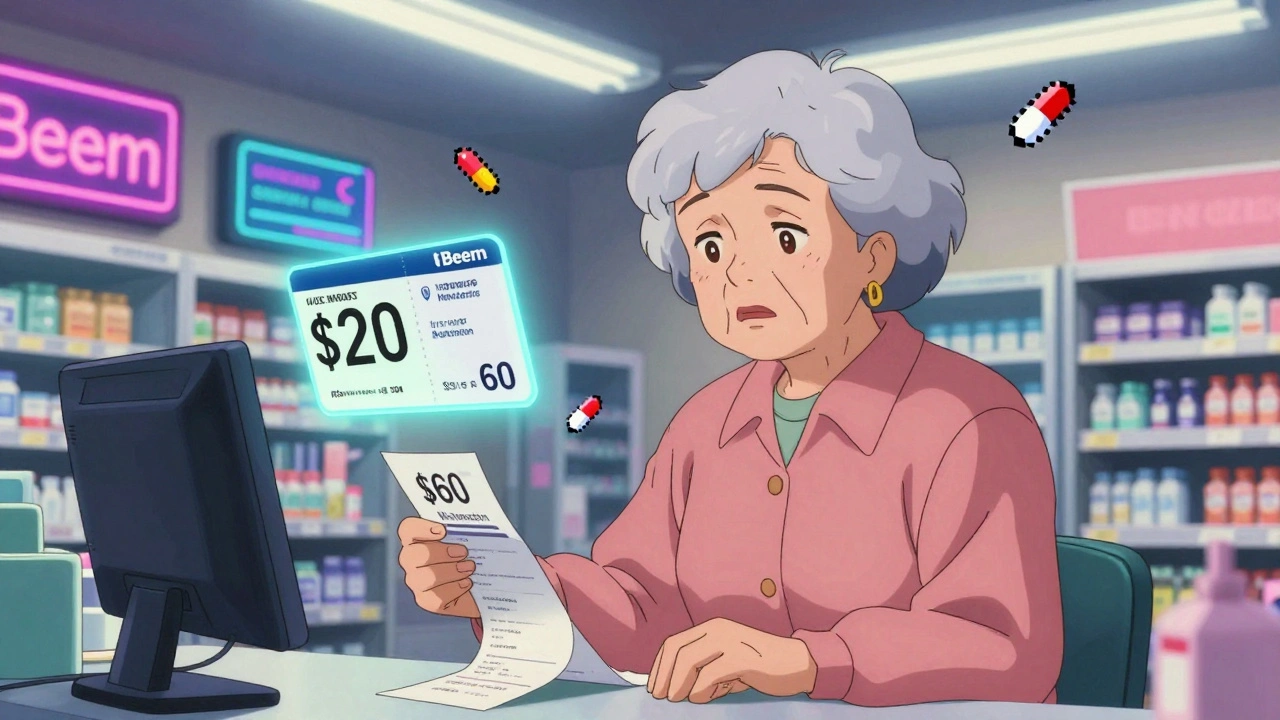
Generic Medication Prices Online: E-Pharmacy vs Retail Costs Compared
Compare generic drug prices between e-pharmacies and retail pharmacies to find real savings. Learn how platforms like Beem and GoodRx cut costs by up to 80% and when to stick with your local pharmacy.