Drug Profits: How Pricing, Access, and Ethics Shape Medication Costs
When you hear drug profits, the financial gains pharmaceutical companies make from selling medications, it’s easy to think of big pharma ads or CEO bonuses. But behind those numbers are real people—parents skipping doses to pay rent, seniors choosing between food and insulin, and patients stuck waiting for insurance approvals. medication pricing, how much a drug costs from factory to pharmacy shelf isn’t just about R&D—it’s about patents, market control, and who gets left out. And pharmaceutical industry, the network of companies, distributors, and insurers that produce and sell drugs doesn’t operate in a vacuum. It’s shaped by laws, lobbying, and the quiet pressure to keep shareholders happy—even when patients suffer.
Drug profits aren’t always about innovation. Sometimes they’re about extending patents on old drugs, tweaking formulas just enough to reset the clock, or raising prices on life-saving meds with no competition. That’s why drug access, whether patients can actually get the medicine they need varies so wildly. One person gets a $500 monthly pill covered by insurance. Another pays $1,200 out-of-pocket because their plan doesn’t cover it, or their doctor didn’t know how to appeal. Meanwhile, prescription costs, what patients actually pay at the counter keep climbing, even when the drug’s production cost hasn’t changed in decades. The gap between what a drug costs to make and what it sells for isn’t just a business detail—it’s a health crisis. And it’s why posts here cover everything from patient advocacy grants to insurance denials, from generic drug verification to mail-back disposal programs. These aren’t random topics. They’re all pieces of the same puzzle: who controls access, who pays the price, and why.
You won’t find fluff here. No vague claims about "revolutionary breakthroughs" or corporate PR. Just real stories about people fighting to afford their meds, guides on how to challenge insurance denials, and clear breakdowns of why some drugs cost 100x more than others. Whether you’re trying to stretch your budget, help a loved one navigate the system, or just understand why your prescription suddenly jumped in price—this collection gives you tools, not just warnings. The system is complex, but you don’t have to be powerless in it.
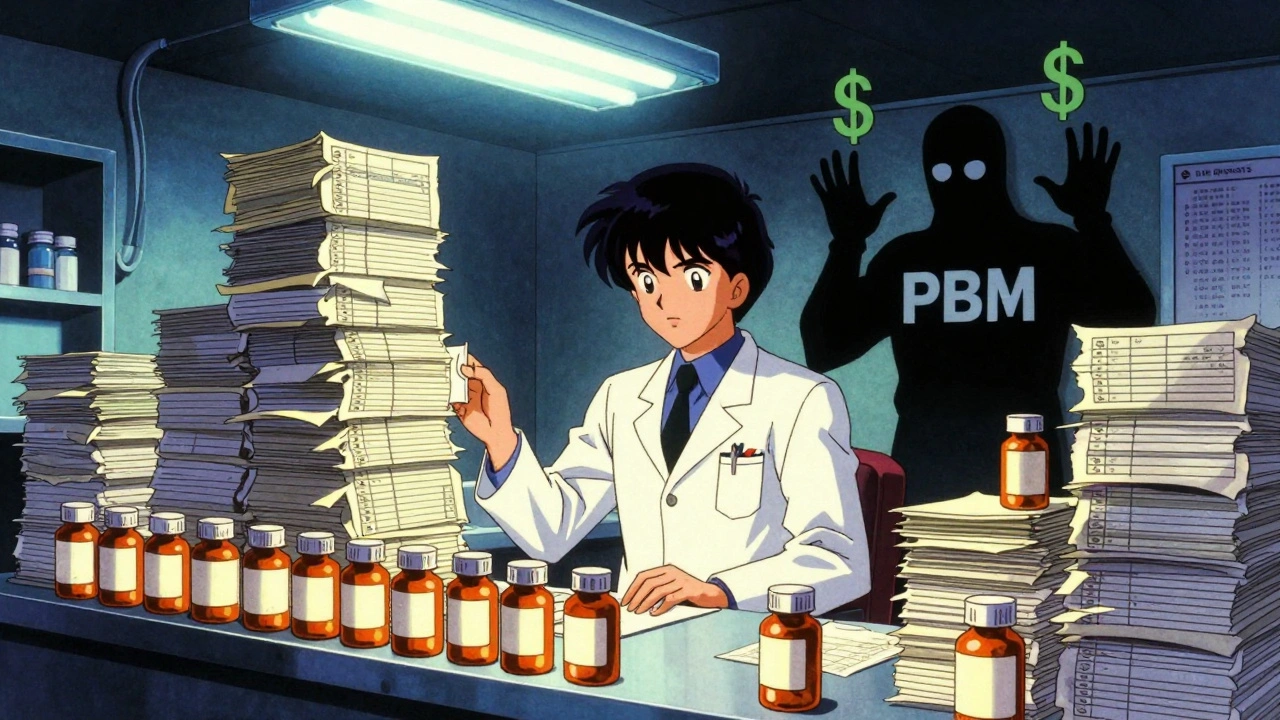
Pharmacy Margin Economics: How Generics Drive Profits Despite Low Prices
Generics make up 90% of prescriptions but only 25% of drug spending - yet they drive 96% of pharmacy profits. Learn how the hidden economics of generics keep pharmacies open - and why independent pharmacies are struggling to survive.