Drug Metabolism: How Your Body Processes Medications and Why It Matters
When you take a pill, your body doesn’t just absorb it and call it a day. Drug metabolism, the process by which your body breaks down and transforms medications into substances that can be eliminated. Also known as pharmacokinetics, it’s the silent engine behind every drug’s effect — and its risks. This isn’t just science class material. It’s the reason why your neighbor’s same prescription gives them energy while you feel dizzy, why your doctor adjusts your dose as you age, and why mixing two common meds can land you in the ER.
Drug metabolism mostly happens in your liver, thanks to a family of enzymes called cytochrome P450. These enzymes act like molecular scissors, chopping up drugs so your kidneys can flush them out. But not everyone’s scissors work the same. Genetics, age, diet, other meds, even smoking can slow or speed them up. That’s why generic drugs, chemically identical versions of brand-name meds can sometimes feel different — not because they’re weaker, but because your body handles them differently than someone else’s. And when you add drug interactions, when one medication changes how another is processed into the mix, things get risky fast. Take PDE5 inhibitors like Viagra with nitrates? That combo can crash your blood pressure. It’s not a myth — it’s metabolism in action.
Understanding drug metabolism isn’t about memorizing biochemistry. It’s about knowing why your meds might not work the way they should, why your doctor asks about your coffee, grapefruit juice, or sleep aids, and why skipping a dose or doubling up can backfire. It’s why some people need lower doses of antidepressants, why antibiotics like norfloxacin need careful timing, and why liver health matters more than you think when you’re on long-term meds. This isn’t just about safety — it’s about getting real results from what you’re taking.
Below, you’ll find real-world guides that connect directly to how your body handles meds. From cost-saving tips that respect your metabolism, to comparisons of drugs like Tadora and Samsca, to warnings about what not to mix with your blood pressure pills — every post here is built around the reality of how drugs move through you. No fluff. No theory without practice. Just what you need to know to take control of your treatment, not just follow it.
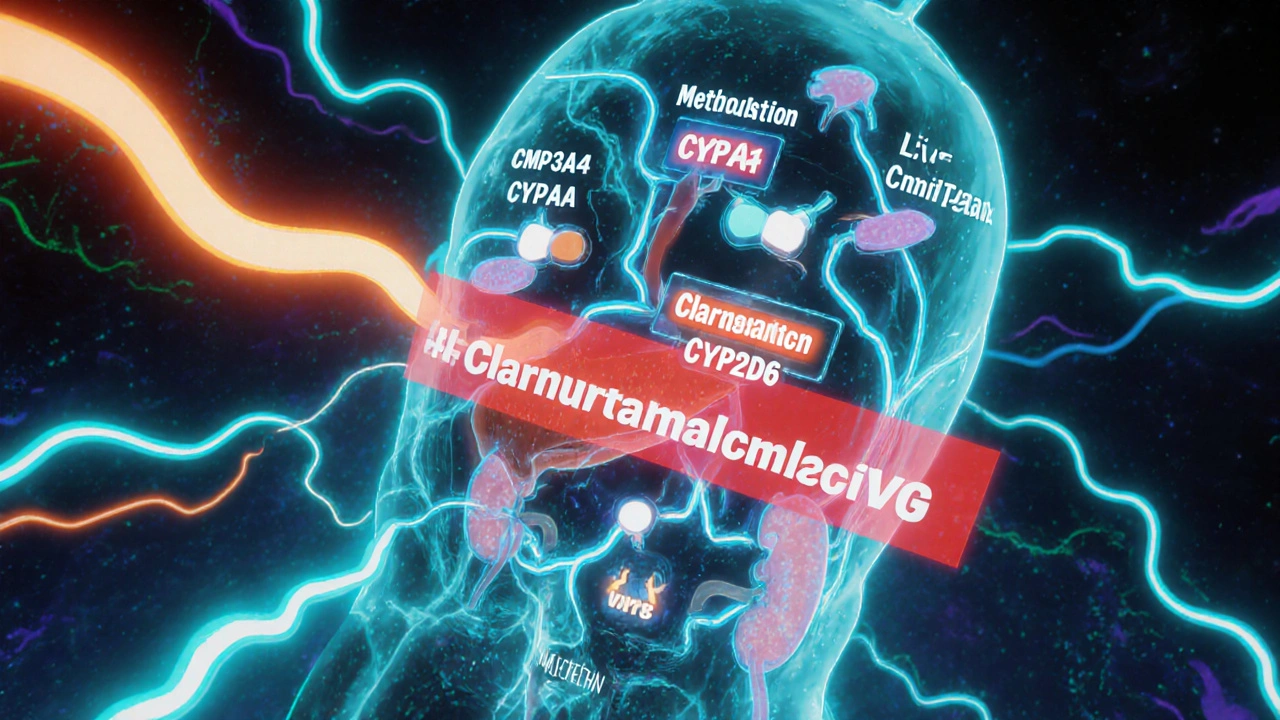
Pharmacokinetic vs Pharmacodynamic Drug Interactions: What You Need to Know
Understand how pharmacokinetic and pharmacodynamic drug interactions affect your health. Learn the difference, which drugs are risky, and how to stay safe when taking multiple medications.