Drug Interaction: What You Need to Know About Medication Risks and Safety
When you take more than one medication, your body doesn’t just see them as separate pills—it sees a drug interaction, a change in how one drug behaves because of another. Also known as medication interaction, it can make a drug stronger, weaker, or even turn a safe treatment into a danger. This isn’t rare. Nearly half of adults in the U.S. take at least two prescription drugs, and many more add supplements, over-the-counter painkillers, or even grapefruit juice. That’s a lot of chances for something to go wrong.
There are two main types of drug interactions you should know. The first is pharmacokinetic interaction, how one drug changes how your body absorbs, breaks down, or gets rid of another. For example, some antibiotics slow down how fast your liver processes blood thinners, leading to dangerous bleeding. The second is pharmacodynamic interaction, when two drugs affect the same system in your body, either adding up or canceling each other out. Think of mixing sleep aids with alcohol—both depress your central nervous system, and together they can slow your breathing to a dangerous level. These aren’t just textbook risks. Real people end up in the ER because they didn’t know their heart pill and their allergy med could team up to wreck their rhythm.
It’s not just about prescriptions. Your daily multivitamin, herbal tea, or even a big glass of grapefruit juice can trigger an interaction. Some people think natural means safe, but St. John’s Wort can knock out the effect of birth control, antidepressants, and even cancer drugs. And if you’re on a tight budget and switch to generics, you might assume they’re identical—but sometimes, the fillers or how they dissolve can change how your body handles the active ingredient. That’s why pharmacist-led reviews matter. A quick chat with your pharmacist before picking up a new script could stop a problem before it starts.
You don’t need to be a scientist to stay safe. Just keep a simple list: every pill, patch, drop, or powder you take, including doses and times. Bring it to every appointment. Ask your doctor or pharmacist: "Could this mix with anything else I’m taking?" Don’t wait for side effects to show up. Some interactions build slowly—like liver damage from long-term combo use—while others hit fast, like a sudden drop in blood pressure. The key is awareness, not fear.
Below, you’ll find real-world guides that break down exactly how these interactions happen, which combinations are most risky, and how to protect yourself without overcomplicating your routine. Whether you’re managing chronic pain, heart issues, mental health, or just trying to avoid a bad reaction, the posts here give you the facts you need—not the fluff.
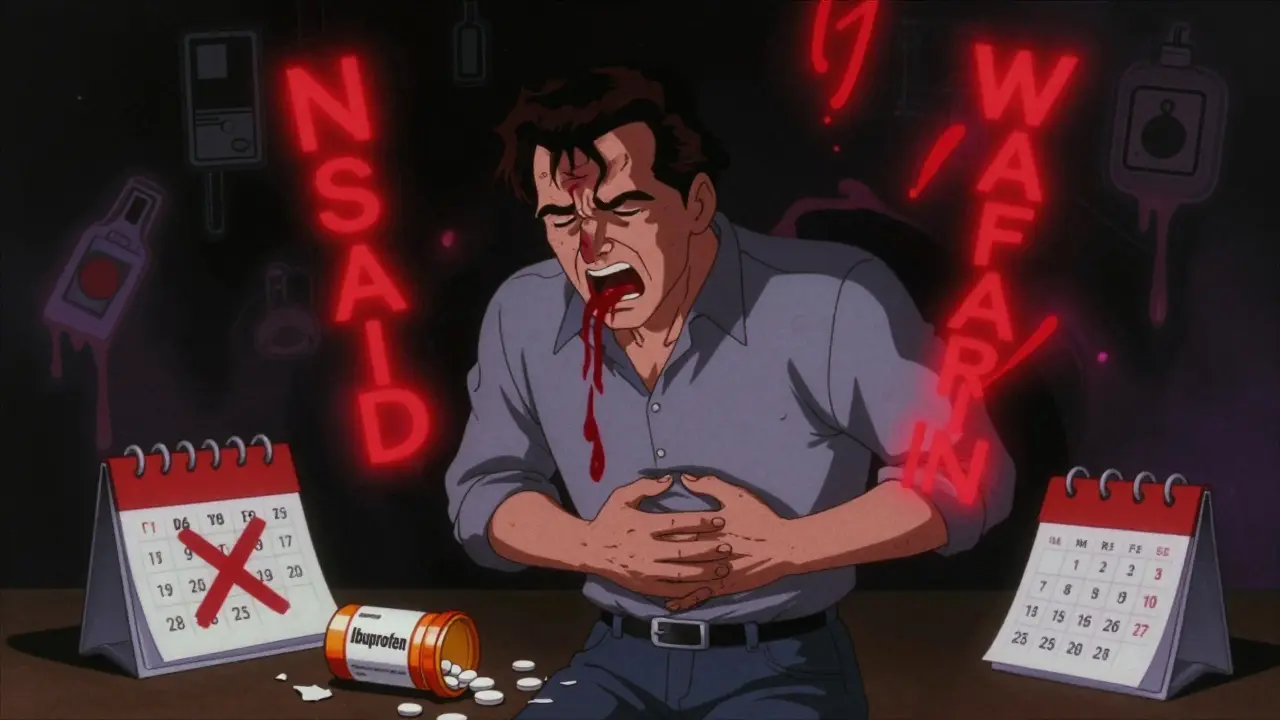
Blood Thinners and NSAIDs: Why This Combination Can Cause Life-Threatening Bleeding
Combining blood thinners with NSAIDs like ibuprofen or naproxen can cause severe, life-threatening bleeding. Learn why this interaction is so dangerous, which drugs carry the highest risk, and what safer alternatives actually work.

PDE5 Inhibitors and Nitrates: The Dangerous Blood Pressure Drop You Can't Ignore
Combining PDE5 inhibitors like Viagra or Cialis with nitrates can cause a sudden, life-threatening drop in blood pressure. Learn why this interaction is dangerous, who's at risk, and what you must do to stay safe.