Concussion Symptoms: What to Watch For and When to Act
When you hit your head hard—whether from a fall, a sports tackle, or a car crash—your brain can shake inside your skull. This is a concussion, a mild form of traumatic brain injury caused by a blow or jolt to the head that disrupts normal brain function. Also known as a mild traumatic brain injury, it doesn’t always show up on an X-ray or MRI, but it can still change how you think, feel, and move. You don’t need to lose consciousness to have one. In fact, most people with concussions never black out. The real danger? Missing the signs.
Common concussion symptoms, include headache, dizziness, nausea, blurred vision, and trouble focusing—often showing up hours after the injury. Some people feel foggy, as if their thoughts are underwater. Others get unusually sensitive to light or noise. Mood changes like irritability, sadness, or anxiety can creep in too. These aren’t just "feeling off." They’re your brain signaling it’s hurt. And if you ignore them, you risk post-concussion syndrome, a condition where symptoms like headaches, fatigue, and brain fog last weeks or months after the initial injury. Athletes who return to play too soon, kids who go back to school without rest, or adults who push through at work—all risk making things worse.
It’s not just about the first day. Symptoms can hide. A child might seem fine after a fall but start crying more, sleeping too much, or refusing to eat. An adult might brush off a headache as stress, not realizing it’s linked to a bump they took two days ago. That’s why tracking changes matters more than waiting for a diagnosis. If you’ve had a head injury and anything feels off—your balance, memory, sleep, or emotions—don’t wait for it to get worse. See a doctor. Get checked. Rest. Your brain needs time to heal, and pushing through won’t make you stronger—it’ll make the damage longer-lasting.
The posts below cover real stories and practical advice from people who’ve been there. You’ll find what to do after a suspected concussion, how to recognize subtle signs in kids or older adults, why rest isn’t just about sleep, and how to avoid the mistakes that turn a mild injury into a long-term problem. No fluff. Just what you need to know to protect yourself or someone you care about.
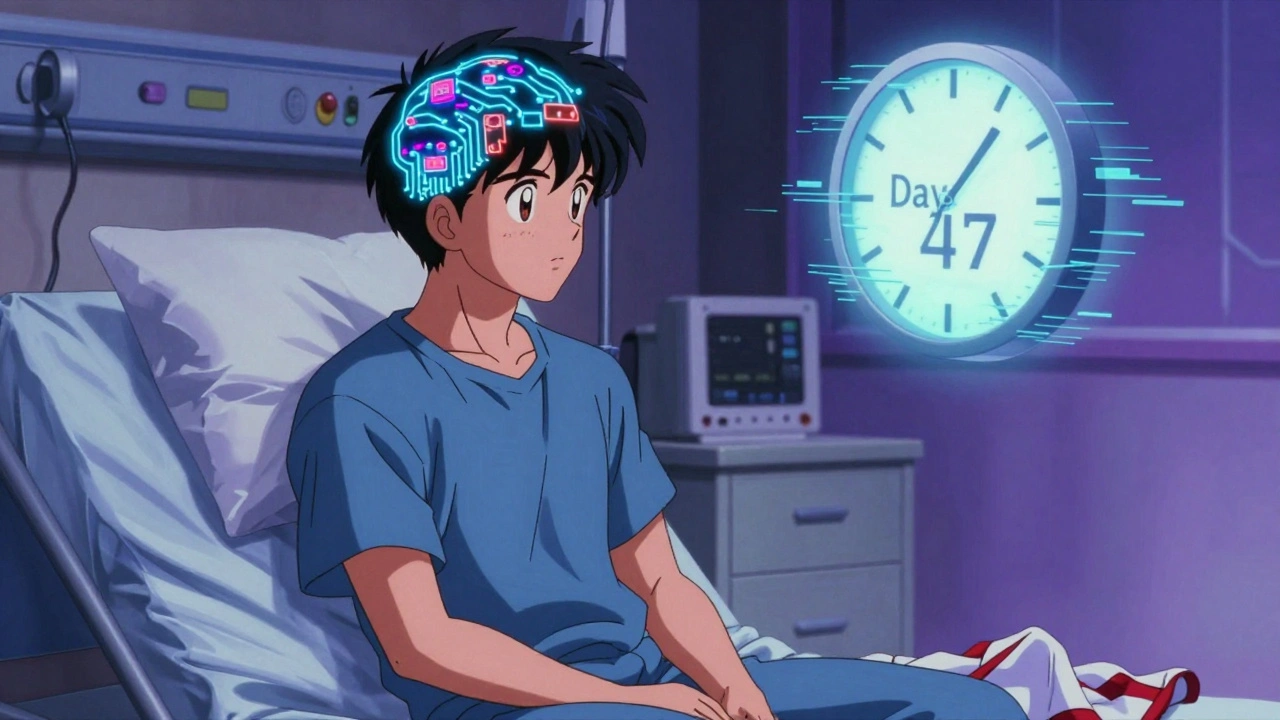
Post-Concussion Syndrome: What to Expect During Recovery and How to Manage Symptoms
Post-Concussion Syndrome can last months after a mild brain injury. Learn the real recovery timelines, why rest isn't always the answer, and what actually works to manage symptoms like dizziness, brain fog, and headaches.