Concussion Management: What Works, What Doesn't, and How to Stay Safe
When you hit your head hard—whether from a fall, a sports tackle, or a car crash—your brain doesn't just shake. It concussion, a mild traumatic brain injury caused by a blow or jolt to the head that disrupts normal brain function. Also known as mild traumatic brain injury, it’s not just a headache that goes away with rest. Without proper concussion management, symptoms can linger for weeks or months, turning into something far more serious.
Many people think rest means lying on the couch all day. But modern concussion management isn’t about total isolation. It’s about smart pacing. Too much screen time? That’s a red flag. Too much quiet? That can slow recovery too. The key is graded return to activity: short walks, light reading, then slowly adding mental tasks. Studies show patients who follow structured return-to-learn and return-to-play protocols recover faster and with fewer long-term issues than those who either push too hard or stay in dark rooms for days.
And it’s not just about the brain. post-concussion syndrome can bring dizziness, trouble sleeping, mood swings, and sensitivity to light or noise—symptoms that don’t show up on MRIs but feel very real. That’s why brain injury care needs to be personal. What helps one person might not help another. A 16-year-old soccer player needs different guidance than a 50-year-old who fell on ice. Monitoring symptoms daily, tracking triggers, and knowing when to call a doctor are part of the process. You don’t need fancy equipment. You need a notebook, a trusted adult, and the discipline to listen to your body.
What’s missing from most advice? The truth that concussion recovery isn’t linear. Some days you feel fine. Other days, even walking to the fridge makes your head pound. That’s normal. Pushing through those bad days often makes things worse. The real win isn’t getting back to sports fast—it’s getting back to life without new problems. That’s why proper concussion symptoms tracking matters more than any app or wearable. Write it down. Talk about it. Don’t let anyone tell you it’s "just a bump."
Below, you’ll find real, practical guides on what to do after a head injury, how to recognize when it’s getting worse, and how to avoid the mistakes most people make during recovery. No fluff. No hype. Just what works.
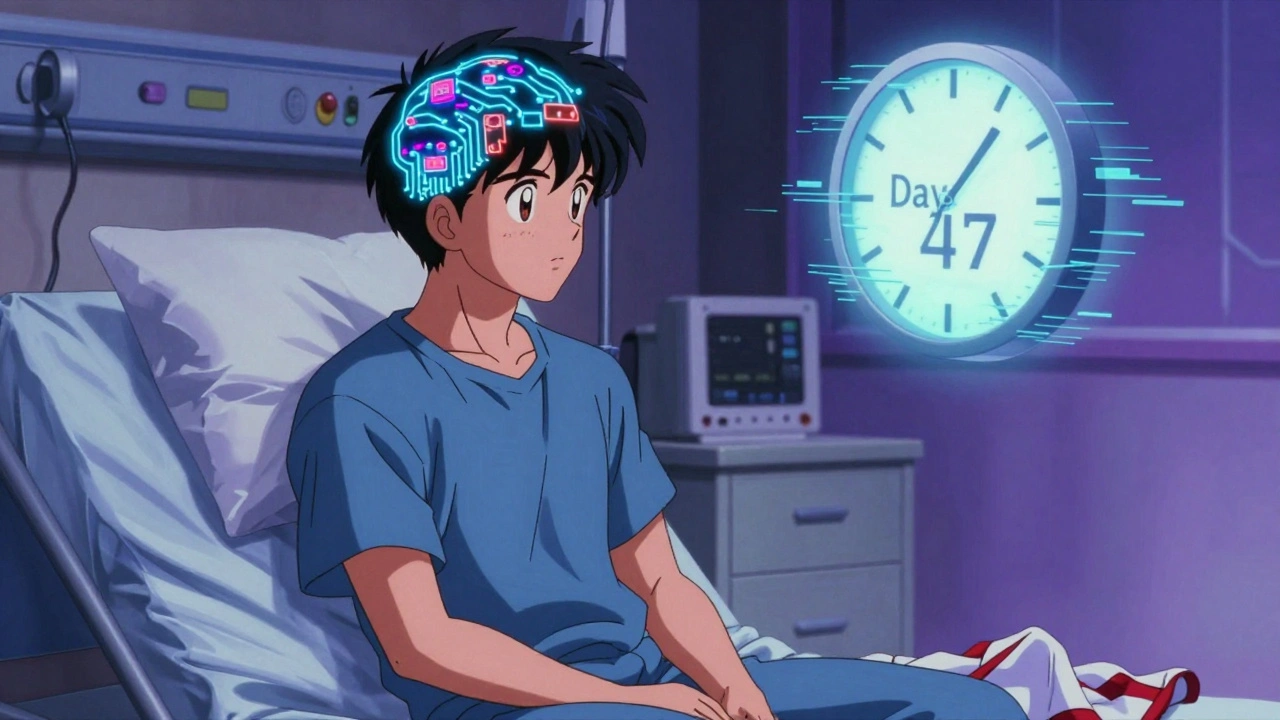
Post-Concussion Syndrome: What to Expect During Recovery and How to Manage Symptoms
Post-Concussion Syndrome can last months after a mild brain injury. Learn the real recovery timelines, why rest isn't always the answer, and what actually works to manage symptoms like dizziness, brain fog, and headaches.