Child-Resistant Packaging: What It Is and Why It Matters for Medication Safety
When you pick up a prescription, that tight, tricky cap isn’t there to annoy you—it’s a child-resistant packaging, a safety feature designed to prevent young children from opening medication containers. Also known as tamper-evident or child-proof packaging, it’s required by law in the U.S. for most oral prescription and over-the-counter drugs. This isn’t just a formality—it’s a lifeline. Every year, over 50,000 kids end up in emergency rooms after accidentally swallowing pills, and much of that risk comes from bottles left within reach.
Child-resistant packaging isn’t foolproof, but it’s the first line of defense. It’s not about making it impossible for a child to open—it’s about making it hard enough that a toddler or preschooler won’t figure it out in minutes. The design usually involves a push-and-turn mechanism or a squeeze-and-pull motion that most kids under five can’t manage. But here’s the catch: it’s meant for children, not adults. If you’re struggling with the cap, you’re not alone. Many older adults or people with arthritis find these caps frustrating. That’s why some pharmacies offer easy-open versions—if you ask. But if you take the cap off entirely to make it easier, you’re putting your kids at risk. The real safety win? Store meds up high, out of sight, and never leave them on counters, nightstands, or purses.
Child-resistant packaging is part of a bigger picture: medication safety, the practice of ensuring drugs are used correctly and kept away from unintended users. It connects directly to how you store pills, how you dispose of them, and even how you talk to kids about medicine. You wouldn’t leave matches lying around, so why leave pills within reach? drug disposal, the safe way to get rid of unused or expired medicines matters too. A child might not open a sealed bottle, but they can dig through a trash can. That’s why prepaid mail-back envelopes and pharmacy drop boxes exist—they’re part of the same safety chain.
And it’s not just about kids. medicine storage, how and where you keep your drugs at home affects everyone. Teens might grab pills out of curiosity or peer pressure. Older relatives might mix up bottles. Pets can get into open containers. The same packaging that protects a 3-year-old also helps prevent accidental overdoses in the whole household. Look at the posts below—they show how safety isn’t just about the pill inside the bottle. It’s about the bottle itself, how it’s labeled, where it’s kept, and what you do when it’s empty. From spotting fake generics to safely tossing expired inhalers, every step adds up. This isn’t about being paranoid. It’s about being smart. And the first thing you can do today? Check your medicine cabinet. If the caps aren’t locked, and the bottles aren’t out of reach, you’ve got work to do.
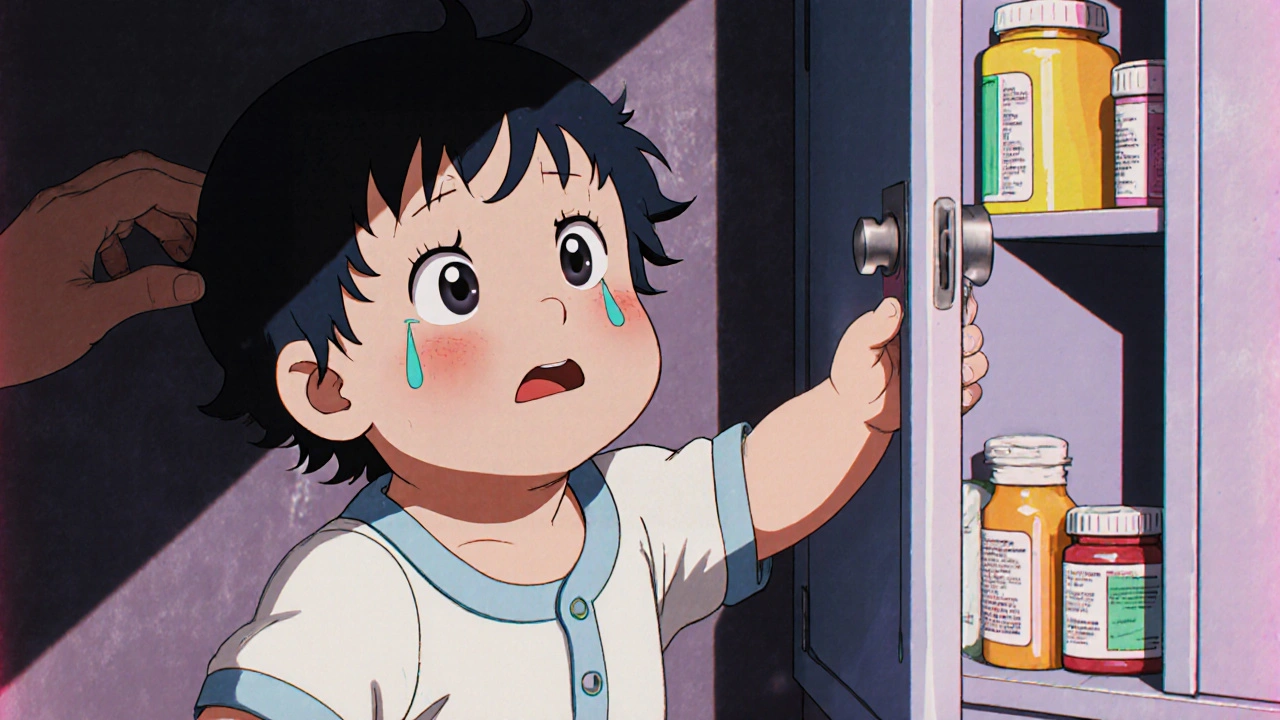
How to Prevent Pediatric Exploratory Ingestion Overdoses: Practical Steps for Parents and Caregivers
Learn practical, evidence-based steps to prevent accidental poisonings in children under five. From locking cabinets to using the right dosing tools, this guide covers the real risks and proven solutions.