Child Poisoning: What Parents Need to Know About Risks, Signs, and Prevention
When a child swallows something harmful, time isn’t just important—it’s everything. Child poisoning, the accidental or intentional ingestion of toxic substances by children under 6. Also known as pediatric toxic exposure, it’s one of the most common reasons kids end up in emergency rooms—and most of the time, it happens right at home. It’s not just about cleaning products or medicine. It’s the bottle of vitamins left on the nightstand, the lipstick in a toddler’s hand, the cleaning spray under the sink that wasn’t locked away. The CDC says over 50% of poison exposures in kids happen in the home, and nearly 90% of those are non-fatal—but that doesn’t mean they’re not scary, costly, or life-changing.
What makes household chemicals, common products like bleach, detergent pods, and antifreeze that are dangerous if ingested so risky is how normal they look. A detergent pod looks like a candy. Iron supplements smell like gummy bears. Even some plants, like poinsettias or philodendrons, can cause vomiting or mouth burns. And then there’s accidental ingestion, when a child gets into something they shouldn’t, often because it’s within reach and unsecured. It’s not neglect—it’s human. Kids explore with their mouths. They copy what adults do. They don’t understand "danger" until it’s too late.
The signs aren’t always obvious. A child might just seem sleepy, drool more than usual, or have redness around the mouth. No vomiting? No crying? That doesn’t mean it’s fine. Some poisons, like lead or carbon monoxide, show up slowly. Others, like button batteries or drain cleaners, burn through tissue in minutes. That’s why you don’t wait for symptoms. If you suspect anything, call Poison Control immediately—don’t wait, don’t guess, don’t induce vomiting unless they tell you to. Keep the product container handy. Take a photo of the label. Those details save lives.
Prevention isn’t about being perfect. It’s about reducing risk. Lock cabinets. Use child-resistant caps—even if you think you’ll remember. Store meds and cleaners up high, not on the counter. Keep batteries out of reach. Don’t transfer chemicals into food containers. And teach kids early: "This isn’t food." Simple, but it sticks.
In the posts below, you’ll find real, practical advice from people who’ve been there. From how to safely dispose of old medications to recognizing the hidden dangers in everyday products, these articles give you the tools to act fast, stay calm, and protect your child before it’s too late. You don’t need to be a pharmacist to make your home safer. You just need to know what to look for—and what to do next.
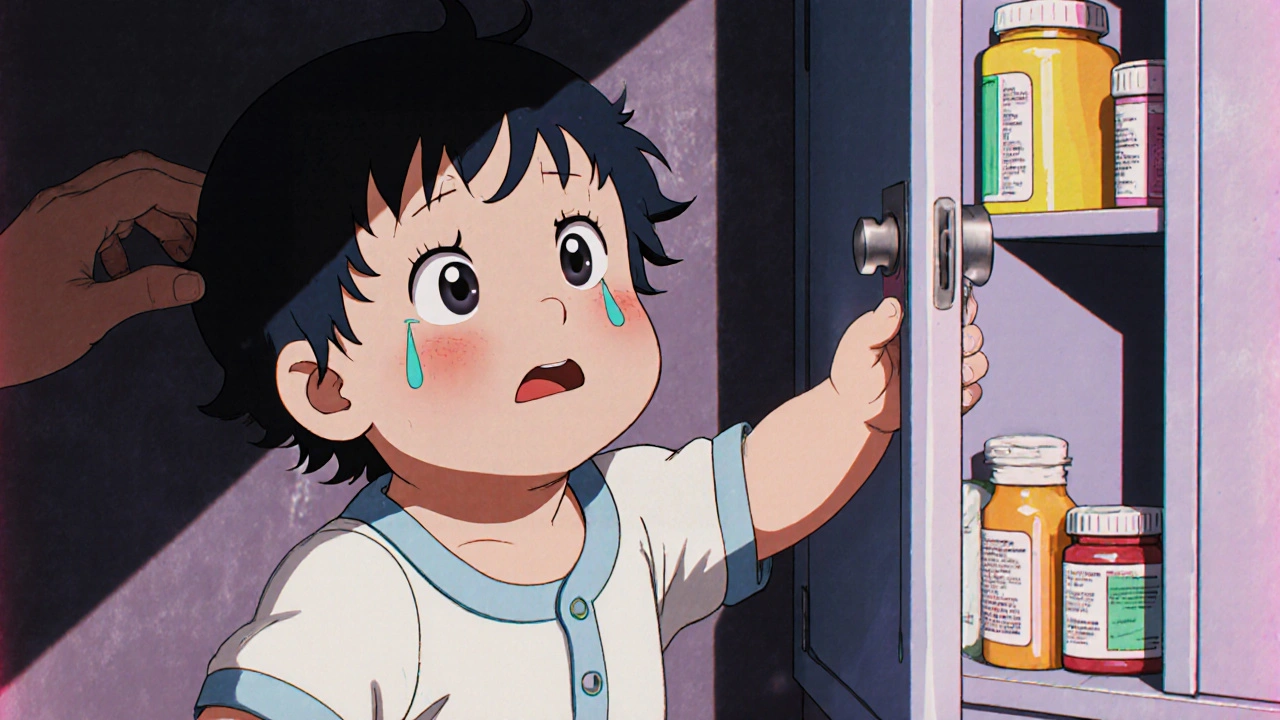
How to Prevent Pediatric Exploratory Ingestion Overdoses: Practical Steps for Parents and Caregivers
Learn practical, evidence-based steps to prevent accidental poisonings in children under five. From locking cabinets to using the right dosing tools, this guide covers the real risks and proven solutions.