CBT-I: What It Is, How It Works, and Why It's the Gold Standard for Insomnia
When you can't sleep night after night, pills might seem like the only answer—but CBT-I, Cognitive Behavioral Therapy for Insomnia. Also known as behavioral sleep therapy, it's the only treatment backed by decades of clinical research to fix sleep problems at their root. Unlike sleeping pills that mask symptoms, CBT-I rewires the thoughts and habits that keep you awake. It doesn't just help you fall asleep—it helps you stay asleep, without relying on drugs.
CBT-I isn't one thing. It's a mix of proven techniques: sleep restriction, limiting time in bed to match actual sleep time, which builds sleep pressure; stimulus control, reconnecting your bed with sleep, not stress or scrolling; and cognitive restructuring, challenging the fear that one bad night will ruin your life. These aren't vague tips—they're structured, step-by-step protocols used in clinics worldwide. Studies show CBT-I works better than medication for long-term results, and its effects last years after treatment ends.
It's not magic. It takes effort. You'll track your sleep, adjust your schedule, and face the anxiety that comes with changing old habits. But if you've tried melatonin, chamomile tea, or sleeping pills that left you groggy, CBT-I is the next real step. It's used by doctors treating insomnia tied to chronic pain, anxiety, menopause, and even PTSD. And it doesn't require fancy gear—just a notebook, a consistent routine, and the willingness to stick with it.
The posts below cover real-world stories and science behind sleep, medication safety, and mental health strategies that often overlap with CBT-I. You'll find advice on managing insomnia without drugs, handling anxiety that keeps you awake, and avoiding the trap of relying on sleep aids that do more harm than good. Whether you're just starting to question your sleep habits or have been struggling for years, this collection gives you the tools to take back your nights—without a prescription.
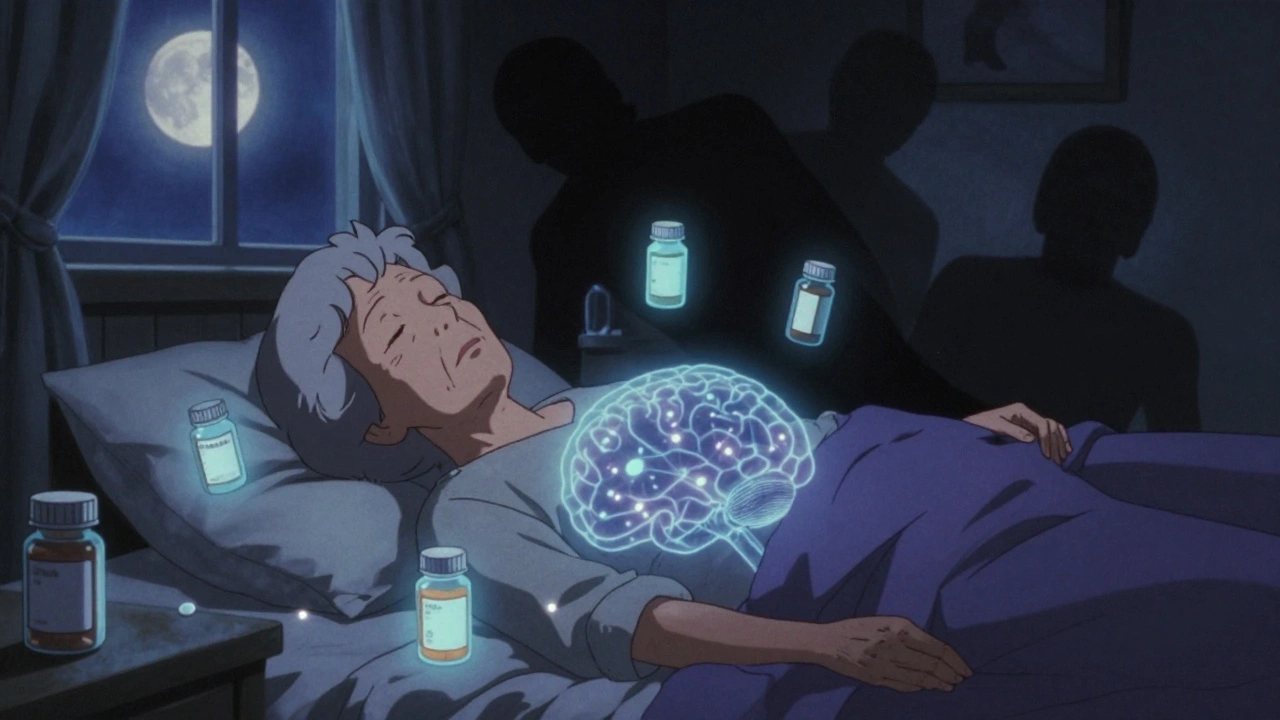
Sleep Medications: Safety, Dependence, and Alternatives
Sleep medications offer quick relief for insomnia but carry serious risks including dependence, memory loss, and falls. Learn why CBT-I is the safer, long-term solution backed by science.