Rhodiola & Medication Interaction Checker
Disclaimer: This tool is for educational purposes only. It is NOT a medical diagnosis. Always consult a licensed healthcare provider before starting or stopping any supplement or medication.
Analysis Results:
Serotonin Syndrome Red Flags
Click the symptoms to see what they look like in a clinical crisis:
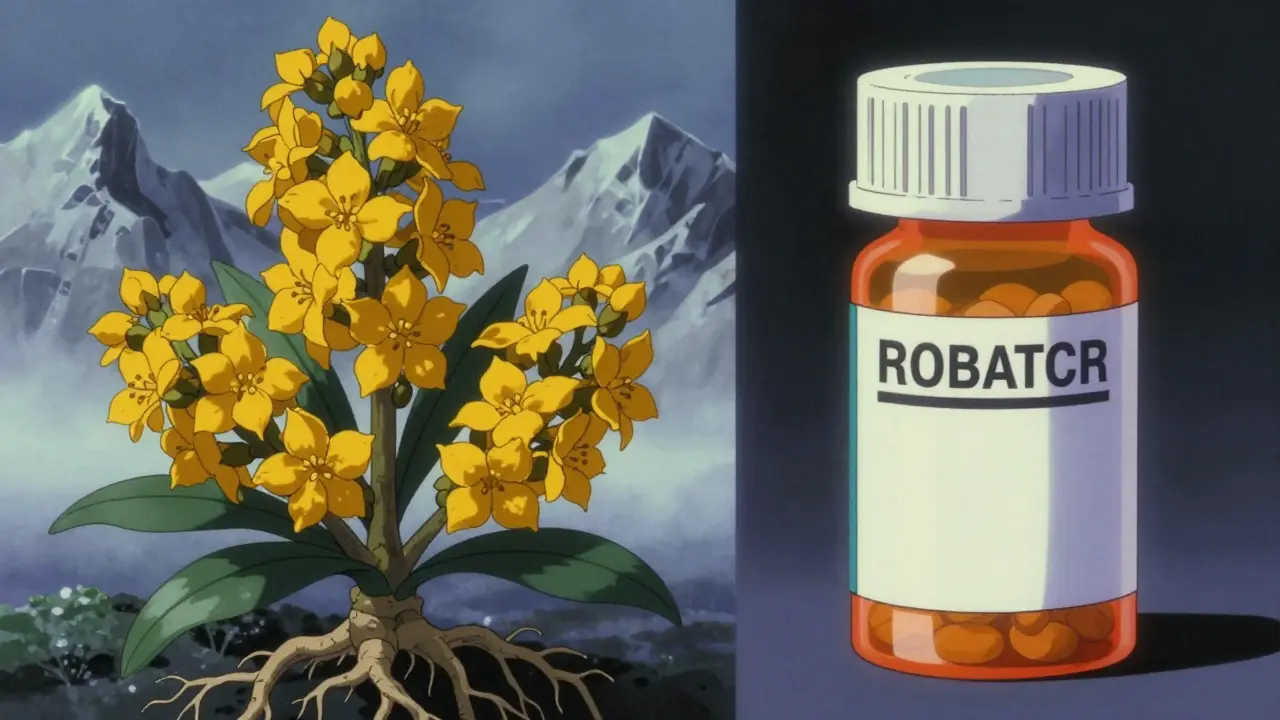
Mixing natural supplements with prescription meds often feels like a safe way to boost your mood, but some combinations are genuinely dangerous. If you're taking an antidepressant, adding Rhodiola rosea is an adaptogenic herb from Arctic and mountainous regions used to fight fatigue and stress to your routine might seem harmless, but it can trigger a life-threatening medical emergency. The core problem is that both these substances fight to increase serotonin in your brain; when they do it at the same time, your system can overload.
| Risk Factor | Effect | Danger Level |
|---|---|---|
| Serotonin Overload | Can lead to Serotonin Syndrome | Critical |
| MAOI Activity | Prevents serotonin breakdown | High |
| Blood Pressure | May lower BP further with meds | Moderate |
The Science of the "Serotonin Overload"
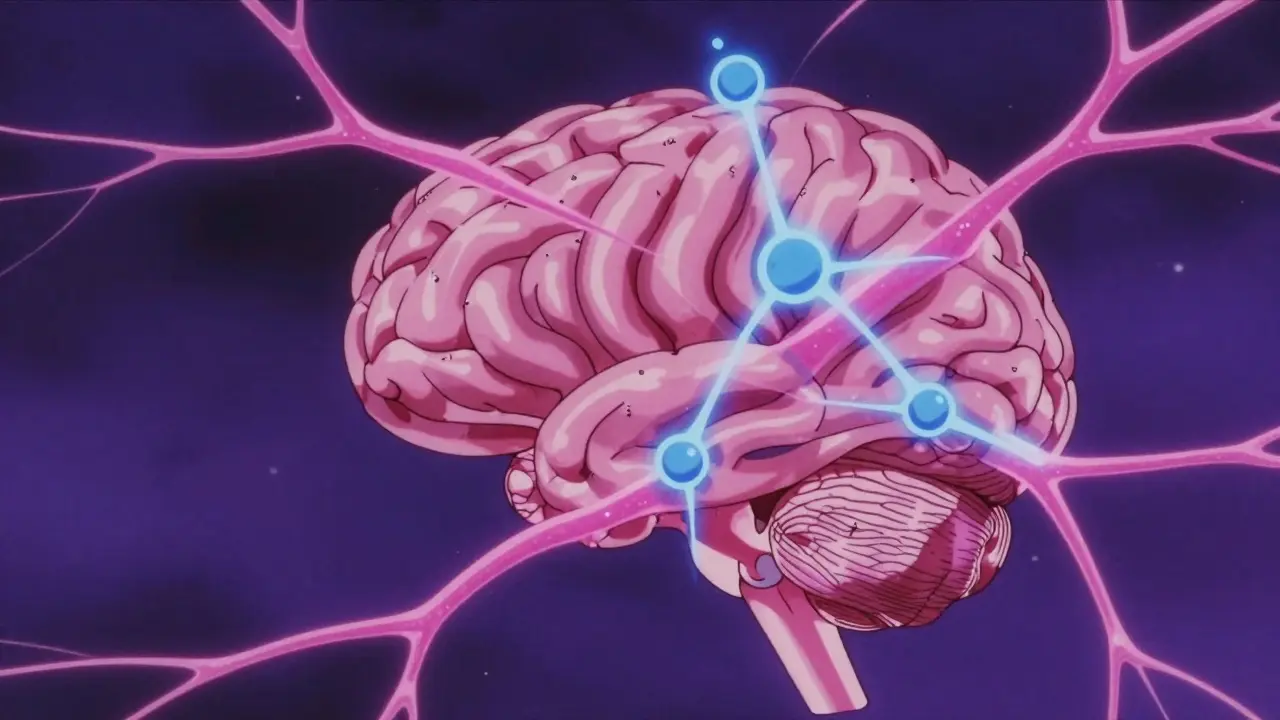
To understand why this happens, we have to look at how Rhodiola actually works. It isn't just a gentle energy booster. It acts as a mild monoamine oxidase inhibitor (MAOI). In simple terms, Monoamine Oxidase is an enzyme that cleans up extra serotonin in your brain. Rhodiola blocks that cleanup crew, leaving more serotonin floating around.
Now, consider how SSRIs (Selective Serotonin Reuptake Inhibitors) like Lexapro or Prozac work. They stop the brain from reabsorbing serotonin, effectively keeping it in the gaps between neurons. When you combine an MAOI-like herb with an SSRI, you're essentially hitting the gas pedal and cutting the brakes at the same time. Computational models from the University of Toronto suggest this can increase the risk of serotonin accumulation by over seven times when taking typical doses of Rhodiola alongside escitalopram.
What Exactly is Serotonin Syndrome?
You've probably heard the term, but Serotonin Syndrome is more than just feeling "jittery." It's a toxic state where your body has too much serotonin, leading to autonomic instability. It usually starts with mild symptoms but can spiral into a crisis within hours.
- Physical signs: Shaking (tremors), muscle rigidity, heavy sweating, and a spiking fever (hyperthermia).
- Heart and Breath: A dangerously rapid heart rate, sometimes exceeding 130 beats per minute.
- Mental state: Extreme confusion, agitation, and panic attacks.
Real-world cases prove this isn't just theoretical. A 69-year-old woman reported in a PubMed study developed full-blown serotonin syndrome after taking Rhodiola extract with paroxetine. Similarly, users in mental health communities have documented emergency room visits involving high fevers and muscle spasms after adding this herb to their fluoxetine regimen. It is a fast-acting and potentially fatal reaction.
Beyond Serotonin: Other Medication Conflicts
While the brain chemistry is the biggest worry, Rhodiola interacts with other systems too. If you're managing physical health alongside your mental health, keep these two conflicts in mind:
First, there's blood pressure. Data from the MSD Manual indicates that Rhodiola can drop systolic blood pressure by 8-12 mmHg. If you're already taking antihypertensives like lisinopril, this extra drop could make you dizzy or cause you to faint.
Second, it affects blood sugar. It can lower glucose levels by 15-20 mg/dL. For someone on insulin or sulfonylureas for type 2 diabetes, this increases the risk of hypoglycemia-where your blood sugar drops too low, causing shakiness, confusion, or even loss of consciousness.
Lastly, if you have an autoimmune condition like rheumatoid arthritis, be cautious. Research in Clinical Immunology shows that Rhodiola's immunostimulant properties can increase TNF-alpha production, which may actually make autoimmune inflammation worse.
The Supplement Quality Trap
One of the scariest parts of this interaction is that you can't always trust the label on the bottle. Many people assume a "natural" product is standardized, but it rarely is. A USP verification study found that only about 13% of tested Rhodiola supplements actually contained the amount of salidroside they claimed.
Why does this matter? Because the strength of the MAOI effect depends on the concentration of active compounds like salidroside and rosavin. If you buy a product that is accidentally "super-strength," the risk of a serotonin spike increases. On the other hand, if it's too weak, you might think it's safe to increase the dose, only to hit a dangerous threshold later.
How to Handle the Switch Safely
If you are currently taking an antidepressant and want to try Rhodiola, or vice versa, you cannot just swap one for the other overnight. Your brain needs time to reset its chemistry.
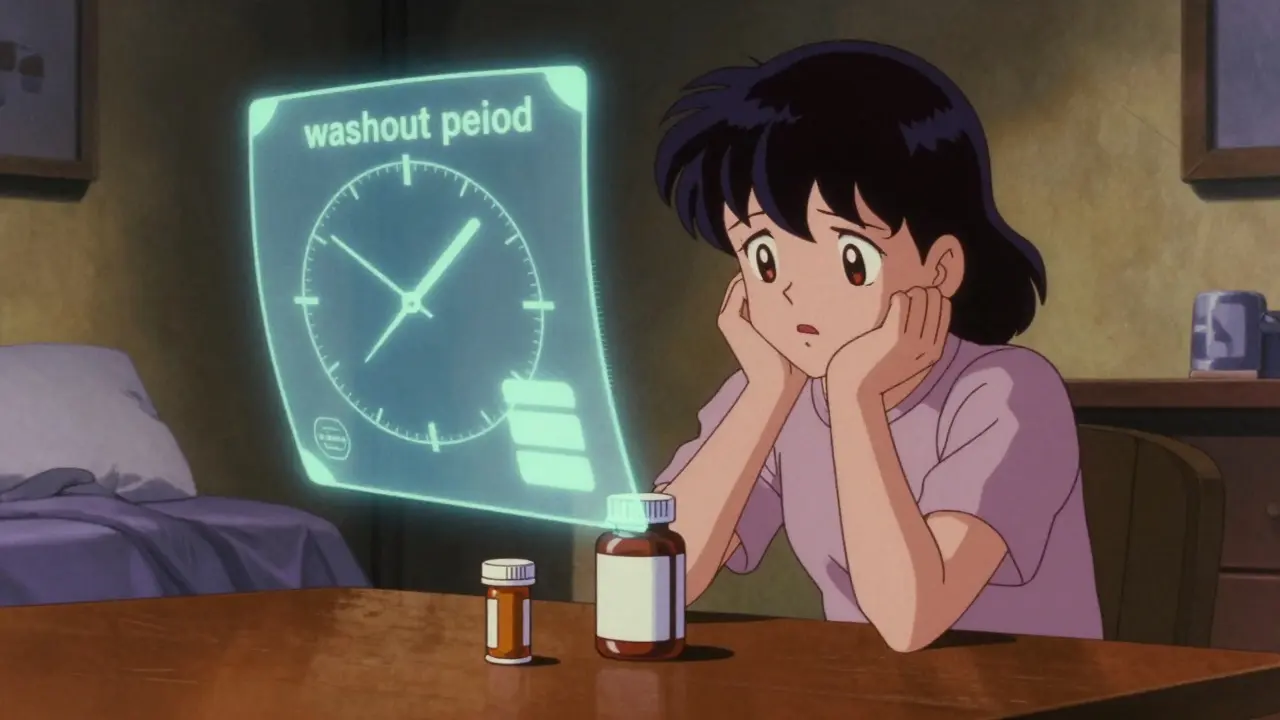
Medical experts, including those at Memorial Sloan Kettering, emphasize the need for a "washout period." This is a gap of time where you take neither substance. For example, because paroxetine has a long half-life, a 21-day window might be necessary before starting Rhodiola. This ensures the medication is completely out of your system so you don't trigger a late-onset reaction.
The safest move is to follow the "Category X: Avoid Combination" guideline used by the American Psychiatric Association. This means if you are on any serotonergic medication, you should avoid Rhodiola entirely unless a doctor is monitoring you in a clinical setting using the Hunter Serotonin Toxicity Criteria to check your vitals every few hours.
Can I take a low dose of Rhodiola with my SSRI?
Some older reviews suggest that very low doses (under 200 mg/day) might be okay for people who aren't responding to antidepressants, but this is not backed by clinical trials. Most major medical associations, including the APA, strictly advise against any combination due to the unpredictable nature of supplement potency and individual brain chemistry.
Is Rhodiola safer than St. John's Wort?
While some people think Rhodiola is "milder," it carries a similar risk of serotonin syndrome when paired with antidepressants. Both are known to increase serotonin levels and can lead to the same dangerous overload if mixed with prescription meds.
How quickly does Serotonin Syndrome happen?
It can happen very rapidly. Some case reports show symptoms appearing within 48 to 72 hours of adding a supplement to a medication regimen. Because it progresses so quickly, it's vital to recognize the signs (like tremors and fever) and seek emergency care immediately.
What should I do if I've already taken both?
Stop taking the Rhodiola immediately and contact your doctor. If you feel agitated, develop a fever, or notice your muscles twitching or stiffening, go to the emergency room. Be sure to tell the medical staff exactly which medication and supplement you took and at what dose.
Are there any safe alternatives for stress relief while on antidepressants?
Always consult your psychiatrist first, but generally, lifestyle interventions like exercise, mindfulness, and cognitive behavioral therapy (CBT) have no chemical interactions. If you want another supplement, ask your doctor about options that don't affect serotonin, as many "mood-boosting" herbs share the same risky mechanisms as Rhodiola.