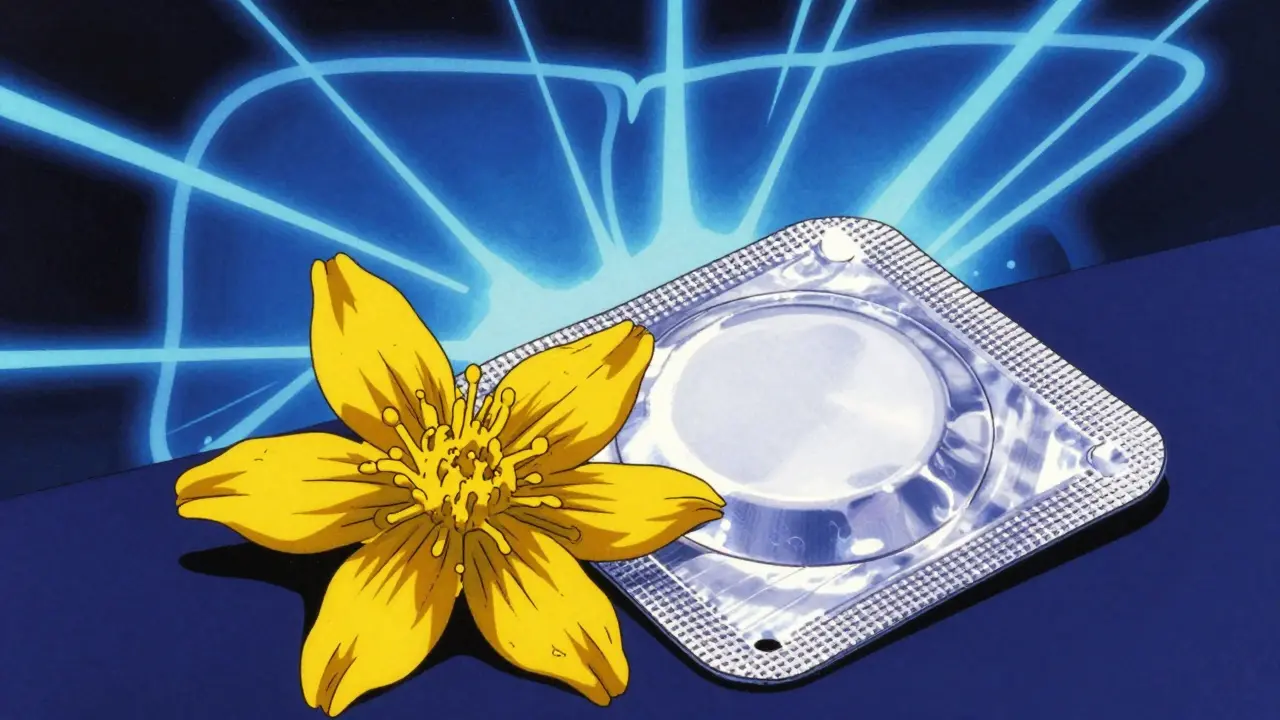
Herbal Supplement & Birth Control Checker
Select Your Supplements:
Check any herbal remedies you are currently taking.
Do you have these symptoms?
Select supplements above to see potential risks
You might assume that 'natural' means 'safe,' but when it comes to managing your health, that assumption can be dangerous. Specifically, certain herbal supplements can significantly reduce the effectiveness of your birth control pills. This isn't just theoretical; there is hard clinical evidence showing that mixing specific herbs with oral contraceptives leads to hormonal gaps and unintended pregnancies. Understanding exactly which plants trigger this reaction and how your body processes them is critical for staying protected.
How Natural Compounds Fight Hormonal Meds
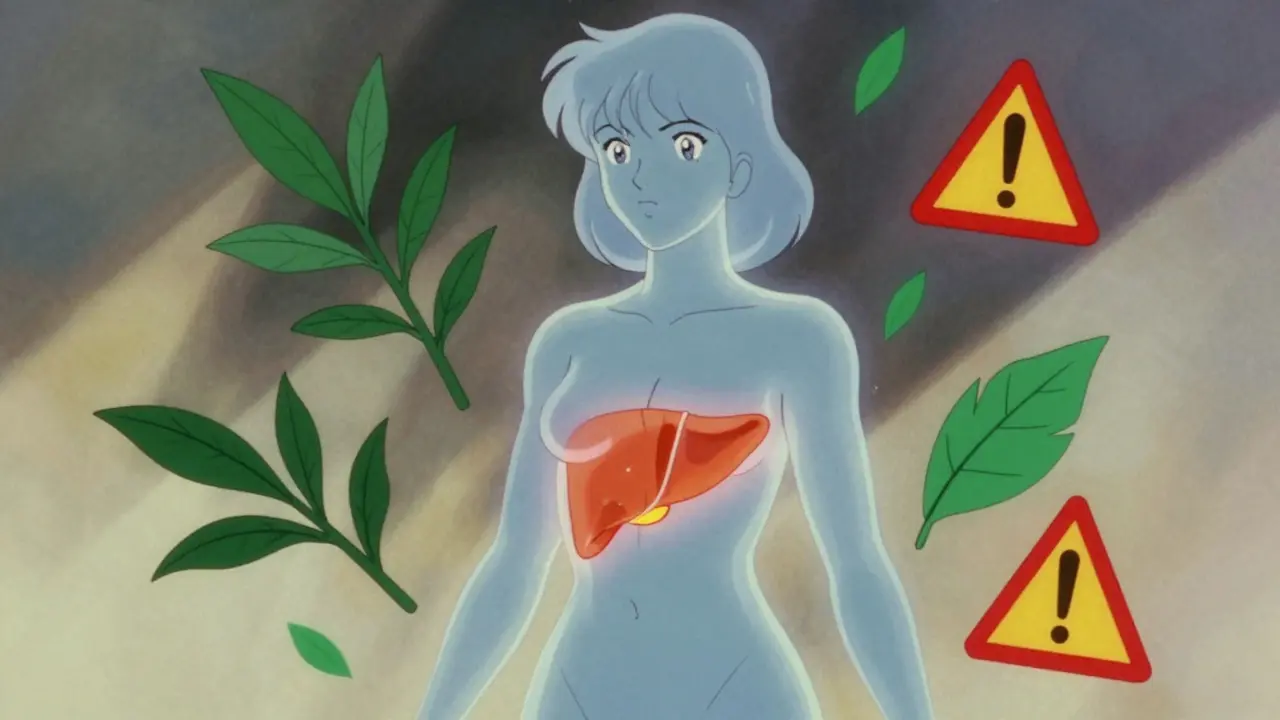
When you take oral contraceptives, your liver works hard to process the synthetic hormones they contain, primarily ethinyl estradiol and progestins. Ideally, your body clears these hormones at a steady rate, keeping pregnancy prevention levels stable in your bloodstream. However, some herbal ingredients tell your liver to work faster than usual.
This process happens through something called enzyme induction. Certain compounds activate specific enzymes in your body, like the CYP3A4 family, which act as cleaners for drugs and toxins. When you introduce a powerful herb that boosts these enzymes, your liver starts clearing the birth control hormones out of your system too quickly. By the time the next pill is due, the hormone levels have dropped below the threshold needed to prevent ovulation. It effectively shortens the active life of the pill inside your body.
St. John's Wort: The Most Dangerous Interaction
While many herbs pass through your system harmlessly, St. John's Wort stands out as a significant risk factor. Research consistently shows this plant extract causes clinically significant drops in contraceptive effectiveness. It contains a compound called hyperforin, which strongly activates the pregnane X receptor (PXR). This activation forces your liver to produce more enzymes and transporters that flush out estrogen and progestin.
Data from medical studies paints a clear picture of the risk. Women taking 900 mg of St. John's wort daily alongside standard birth control showed much lower levels of ethinyl estradiol in their blood. Clinically, this manifests as breakthrough bleeding. In controlled settings, 23% of women using St. John's wort experienced unexpected spotting or bleeding compared to only 5% in the control group. If you rely on bleeding patterns to track your cycle safety, this is a massive red flag. The interaction is comparable to prescription antibiotics like rifampin, which doctors warn you about constantly.
Other Problematic Herbs to Watch For
It isn't just St. John's wort that you need to be careful about. Several other natural products have been flagged for potential interference, though the evidence varies in strength.
- Saw Palmetto: Often used for hormonal balance or prostate health, it may alter estrogen metabolism similarly to pharmaceutical treatments.
- Alfalfa: Contains phytoestrogens that can compete with the synthetic estrogen in your pill for binding sites.
- Grapefruit Products: While known for blocking enzymes (which usually raises drug levels), the interaction with birth control is complex and unpredictable, potentially altering how the body handles the medication.
- Activated Charcoal: If taken within four hours of your pill, charcoal acts like a sponge, absorbing the hormones before they enter your bloodstream.
- Ginger and Garlic Pills: High doses may affect clotting factors or hormone levels, though the direct impact on contraception is less documented.
| Supplement Name | Interaction Mechanism | Risk Level |
|---|---|---|
| St. John's Wort | Induces CYP3A4 enzymes | High |
| Ashwagandha | Minimal enzymatic effect | Low |
| Flaxseed | Phytoestrogen competition | Moderate |
| Saw Palmetto | Hormonal modulation | Moderate |
Are There Any Safe Supplements?
Many people panic when reading lists of potential interactions, assuming all natural remedies are off-limits. The reality is more nuanced. Recent studies suggest that popular stress-relief herbs like Ashwagandha are generally safe to combine with hormonal birth control. A 2015 review indicated that Ashwagandha does not significantly affect the enzymes responsible for breaking down the hormones found in the pill. Short-term use (up to three months) appears safe for most users, though long-term data remains limited.
Vitamins and probiotics are another category that typically poses no threat. They do not interfere with the metabolic pathways of your contraceptive medication. However, dosage matters. For instance, DIM (Diindolylmethane), a compound derived from cruciferous vegetables, is often taken for breast health. While it has no current evidence suggesting it reduces birth control effectiveness at standard doses (50-100 mg), very high doses (above 600 mg) could theoretically lower estrogen levels. Always stick to recommended dosages and consult a professional if you plan to exceed them.
Recognizing the Signs of Failure
Your body often gives you warnings when your contraception isn't working properly. You don't need to wait for a missed period to know something is wrong. One of the clearest signs is breakthrough bleeding or spotting outside your scheduled withdrawal bleed.
If you start spotting mid-cycle, especially after adding a new supplement, stop immediately. This irregular bleeding suggests that your hormone levels have dipped too low to maintain the uterine lining, which indicates your birth control is compromised. Another sign is the return of pre-menstrual symptoms like cramping or breast tenderness during weeks when you expect to be symptom-free. These changes signal that your natural ovulation cycle might be resuming despite the presence of the pill.

Practical Steps to Stay Protected
Don't let fear of interactions stop you from getting care, but do practice vigilance. Before starting any new regimen, check with your healthcare provider. They can cross-reference your supplement list with your prescription list. If you are already taking St. John's wort and want to start birth control, you must discuss this beforehand. The standard recommendation is to use backup protection, such as condoms, while taking St. John's wort and for one month after stopping it. This allows your enzyme levels to normalize.
If you cannot switch off a supplement immediately, prioritize barrier methods until you can resolve the conflict. Keep a log of your supplement intake times relative to your pill. Taking your pill and activated charcoal four hours apart minimizes the adsorption risk, whereas timing St. John's wort differently won't help because it changes your liver chemistry permanently until you stop taking it.
Frequently Asked Questions
Can I take St. John's Wort while on the pill?
No. St. John's Wort significantly lowers hormone levels in birth control pills, increasing the risk of pregnancy. You should use alternative contraception methods during use and for one month after stopping.
Does Ashwagandha mess with my birth control?
Current research suggests Ashwagandha does not affect the enzymes that break down birth control hormones. It is generally considered safe for short-term use.
What are the symptoms of reduced contraceptive effectiveness?
Common signs include breakthrough bleeding or spotting, increased frequency of side effects like headaches, and the return of pre-menstrual symptoms.
Does grapefruit juice affect birth control?
While mostly known for raising drug levels, its interaction with oral contraceptives is complex. It is safer to moderate intake and talk to a doctor rather than assume it's harmless.
How long should I wait after stopping a risky herb?
For strong enzyme inducers like St. John's wort, you should continue backup contraception for at least one month after discontinuing the herb to allow liver enzymes to return to normal.
HARSH GUSANI
April 3, 2026 AT 01:32This whole thing sounds like western medicine trying to scare us away from nature 🌿😄 They say natural is dangerous but pills are fine?? We know what is happening here big pharma wants you dependent on their products forever. Our ancestors never had this problem until chemiicals were introduced. 🤔 Don't listen to these lies about liver enzymes. Nature heals itself better than labs. 😠 Stop trusting fake science and trust your body instead.
Rob Newton
April 3, 2026 AT 10:06You are ignoring basic pharmacology principles entirely.
Branden Prunica
April 4, 2026 AT 18:02I almost had a panic attack reading this because I was thinking about taking that herb. 😱 Just when you think you're doing your body a favor with natural stuff it turns into a biological ticking bomb. My cousin got pregnant last year right after she started drinking tea made from those leaves. It really makes you question everything you see on social media about wellness trends. I guess the liver does have a mind of its own and hates getting confused by chemicals.
This article saved my skin probably because I was so close to ordering a bottle online. Sometimes being careful feels like overthinking but then you read facts like this. Thank god I didn't start the routine early enough to get screwed over completely. It's scary how fast the enzymes kickstart once they meet these compounds. I hope everyone checks their meds before going organic wild. 💀🚫
simran kaur
April 6, 2026 AT 05:37Why would they tell you this unless they want to suppress holistic healing options? Big corporations profit when you stay sick and hooked on prescriptions. 🥐 The truth is hidden behind these warnings to keep us weak. I suspect there is more to this story than enzyme induction alone. They fear a population that doesn't need pharmaceuticals anymore. Stay skeptical of these narratives and research deep.
The Charlotte Moms Blog
April 6, 2026 AT 17:48You!! Need!!! To!!! Understand!!! The!!! Risk!!! Factor!!! Here!! It!! Is!! Not!! Just!! A!! Hypothetical!! Scenario!! It!! Happens!! In!! Real!! Cases!! Everywhere!! Ignoring!! This!! Data!! Is!! Negligence!! Plain!! And!! Simple!! Mothers!! Must!! Know!! Their!! Risks!!! Protect!!! Your!! Future!! Family!!!
Dipankar Das
April 8, 2026 AT 03:44It is indeed a matter of significant medical concern that requires serious attention from all individuals. One must exercise extreme caution when considering dietary additions alongside prescribed medication. The safety of reproductive health cannot be compromised by reckless supplement consumption. Please consult a qualified specialist before introducing any new botanical agents. Discipline and adherence to medical advice remain paramount for optimal outcomes.
Goodwin Colangelo
April 9, 2026 AT 07:14The scientific breakdown here regarding CYP3A4 is particularly relevant for anyone managing metabolic health. Many patients don't realize that enzyme induction is a systemic process rather than a localized gut issue. You have to consider that the half-life of ethinyl estradiol changes drastically when hyperforin enters the bloodstream. Clinicians often recommend a washout period of thirty days to ensure safety margins are met. It is essential to maintain open lines of communication with your prescribing physician regarding all intake. Supplement labels rarely disclose these interaction risks clearly enough for average consumers. Education remains the strongest defense against accidental hormonal gaps. Monitoring breakthrough bleeding patterns provides immediate feedback on efficacy status. Prevention strategies work best when combined with barrier methods during transition phases. Trusting clinical data beats anecdotal evidence every single time.
sophia alex
April 10, 2026 AT 11:53Oh please stop worrying about little details when you should know what you are eating already. Most of you are clearly too stupid to manage your own health choices properly :) It's not rocket science to read a label. Only clueless people fall for this marketing hype anyway. Real women protect themselves without asking reddit for permission. Just follow the rules or deal with the mess later 🙄.
Brian Shiroma
April 11, 2026 AT 20:30Wow, you really thought 'natural' meant magic shield against consequences, huh? 🙃 It's funny how everyone forgets that plants contain potent chemicals too. I feel sorry for the ones who learned the hard way though. Maybe next time we can respect actual biology over vibes. Keep pretending otherwise if you want though.
Jenna Carpenter
April 11, 2026 AT 21:59Y'all should learn to read directions insted of making excuses. Its so annoying when people ignore safety info then cry later. Just be smarter than the rest of the herd i guess. dont complain if you get preggo then blame the pill. Take responsibilty for your actions always.
Rachelle Z
April 13, 2026 AT 21:12I really think we should try to look at both sides of this issue with an open mind but honestly the data is pretty clear. Everyone keeps jumping to conclusions about alternative medicine being purely evil or purely good. We need to remember that context matters significantly in every situation regarding health care decisions. It is frustrating when people ignore obvious signs of hormone imbalance in their bodies. Spontaneous bleeding is definitely something that warrants immediate attention from a doctor. We should prioritize safety over saving money on expensive pharmacy visits. Trusting your intuition is important but not when it conflicts with hard science findings. The goal is to stay protected regardless of where your supplement comes from. Communication with your healthcare provider should happen regularly and consistently. Don't let fear drive your decisions but do let caution guide your habits. Finding balance is the hardest part of maintaining personal wellness routines. We all make mistakes sometimes and that is perfectly okay as long as we learn. Safety really is the only priority that should dictate our daily choices. Many people miss the small signs that indicate their protection is failing. Always double check interactions before buying anything from the internet. Health requires constant vigilance and smart planning ahead of time.