Unsafe Medication Advice: What You Need to Know to Stay Safe
When it comes to your health, unsafe medication advice, any recommendation about drugs that ignores medical evidence, personal health history, or regulatory standards. Also known as misguided drug guidance, it can come from social media, well-meaning friends, or even misleading ads—and it’s more common than you think. This isn’t just about taking the wrong pill. It’s about trusting someone who doesn’t know your blood pressure, your liver function, or your history of allergic reactions. One bad tip can turn a simple fix into an emergency.
Think about drug interactions, when two or more medications react in ways that change their effect, sometimes dangerously. For example, mixing PDE5 inhibitors like Viagra with nitrates can crash your blood pressure. Or taking expired eye drops that harbor bacteria. Or using someone else’s leftover antibiotics because they worked for their sinus infection. These aren’t myths—they’re real risks documented in post-marketing studies and FDA alerts. counterfeit drugs, fake pills sold as real medication, often without any active ingredient or with toxic fillers are another growing threat, especially when bought from unverified online sources. The packaging might look perfect, but the pills inside? They could be lethal.
And then there’s medication disposal, how you get rid of unused or expired drugs. Flushing pills down the toilet or tossing them in the trash isn’t just bad for the environment—it’s dangerous. Kids, pets, or even strangers can find them. Prepaid mail-back envelopes or take-back programs exist for a reason. Ignoring safe disposal isn’t laziness; it’s a public health risk.
What you’ll find here isn’t a list of warnings. It’s a collection of real, practical guides written by people who’ve seen the fallout from bad advice. From how to spot fake generics to why you shouldn’t rely on TikTok for migraine treatment during pregnancy, every article here answers a question someone asked after hearing something risky. These aren’t theoretical concerns. They’re the kinds of mistakes that land people in the ER, ruin insurance claims, or worse. You don’t need to be a pharmacist to protect yourself. You just need to know what questions to ask—and what to ignore.
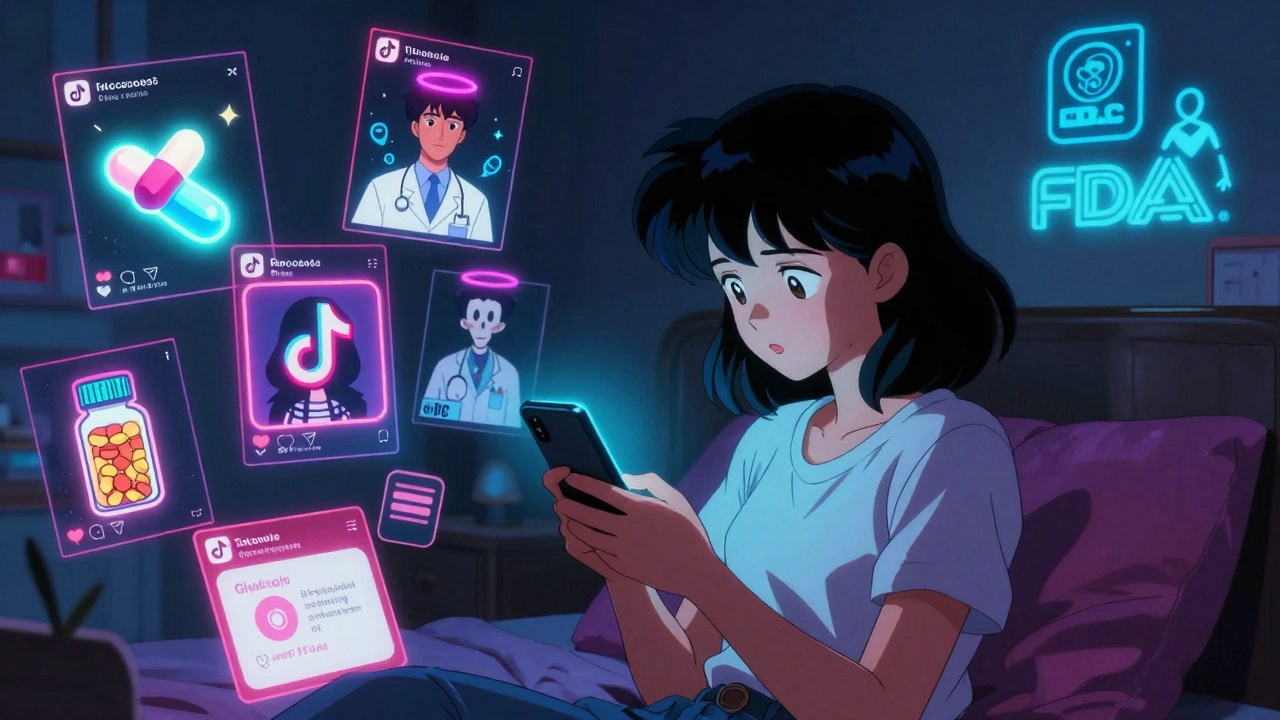
How to Recognize Unsafe Medication Advice on Social Media
Learn how to spot dangerous medication advice on social media before it harms you or someone you love. Real red flags, verified sources, and simple steps to stay safe online.