Stimulant Misuse: Risks, Signs, and What to Do Next
When someone uses stimulant misuse, the improper or non-medical use of drugs that increase alertness, energy, or attention. Also known as stimulant abuse, it often starts with a prescription but quickly turns into something dangerous. It’s not just about getting high—it’s about chasing focus, staying awake, or coping with stress using drugs meant for medical conditions. And it’s happening more than you realize.
Common prescription stimulants, medications like Adderall, Ritalin, and modafinil prescribed for ADHD or narcolepsy are often taken without a prescription, crushed, snorted, or taken in higher doses than recommended. People think they’re just boosting performance, but the body doesn’t distinguish between a pill taken as directed and one taken to get through the night or ace a test. The brain’s reward system gets rewired fast. stimulant addiction, a chronic condition where a person continues using stimulants despite harmful consequences can develop in weeks, not years. And it’s not just about tolerance—it’s about needing the drug just to feel normal.
Signs aren’t always obvious. Someone might seem more focused, energetic, or even confident—but they’re also jittery, sleeping less, losing weight, or snapping at people. They might be hoarding pills, lying about dosage, or getting prescriptions from multiple doctors. The line between using and abusing is thin, and it’s easy to miss until something breaks: a panic attack, a heart rhythm issue, or a crash that leaves them exhausted and depressed for days.
What’s scary is how normalized this has become. College students pop Adderall before exams. Shift workers rely on modafinil to stay awake. Even some professionals use it to keep up with deadlines. But these aren’t smart drugs—they’re risky drugs. The body doesn’t build up a tolerance to side effects. High blood pressure, irregular heartbeat, paranoia, and even psychosis can follow. And when the stimulant wears off, the crash can be worse than the original problem.
There’s help, but it starts with recognizing the problem. Stopping cold turkey isn’t safe. Withdrawal can bring extreme fatigue, depression, and suicidal thoughts. Real recovery means medical support, counseling, and often replacing the stimulant with healthier habits—better sleep, structured routines, therapy for underlying anxiety or ADHD. It’s not about willpower. It’s about rewiring habits and getting the right support.
Below, you’ll find clear, practical guides on how stimulants interact with other medications, what alternatives exist for focus and energy, how to spot dangerous combinations, and what to do if you or someone you know is struggling. No fluff. No scare tactics. Just facts, comparisons, and real solutions.
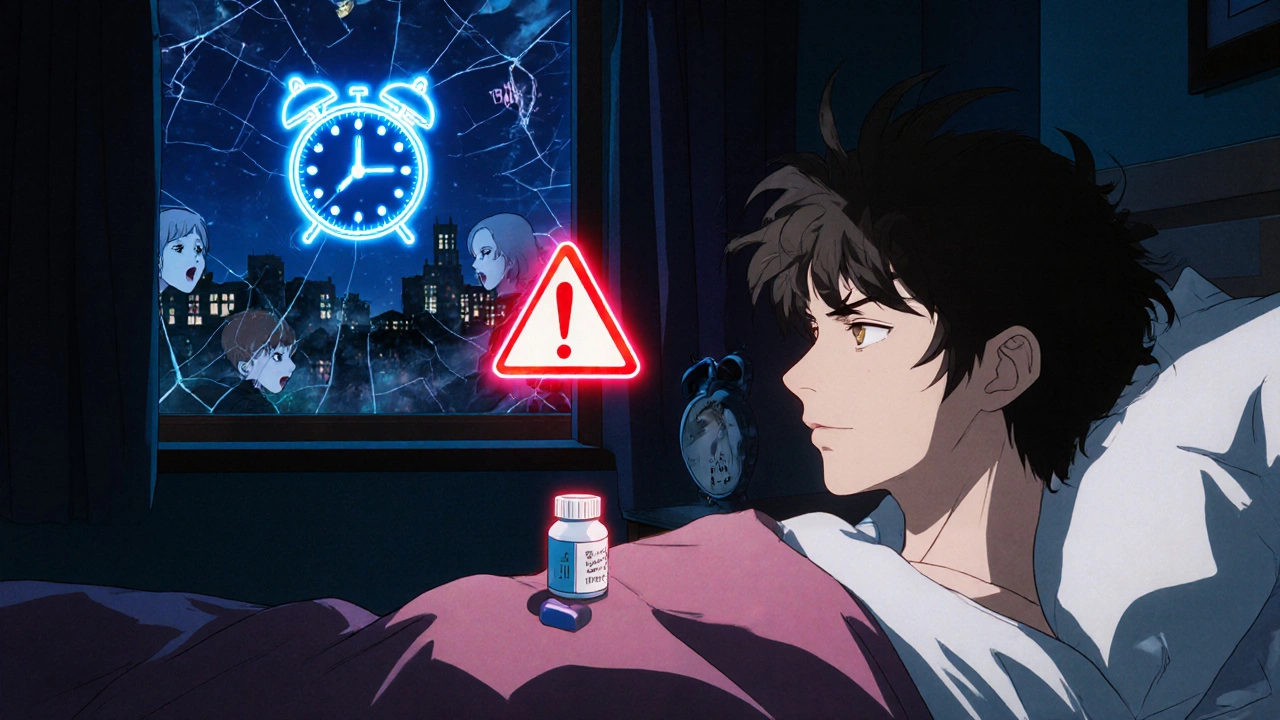
Medication Safety for College Students and Young Adults: What You Need to Know
Prescription drug misuse is rising among college students, especially stimulants like Adderall. Learn why it happens, the real risks, and what you can do to stay safe - from proper storage to knowing where to dispose of unused meds.