Social Media Red Flags: Spotting Health Scams and False Claims Online
When you see a post claiming a social media red flag, a clear sign of deceptive or dangerous health content online—like "This pill cures diabetes in 3 days"—you’re not just seeing bad advertising. You’re seeing a potential threat to your health. These red flags aren’t just annoying; they’re life-threatening. Millions of people fall for fake cures, unapproved supplements, and influencer-endorsed drugs every year because the messaging feels personal, urgent, and real. But if it sounds too good to be true, it is.
One of the most common health scams, fraudulent products or claims marketed as medical solutions without scientific proof targets people with chronic conditions. You’ll see videos of someone claiming they reversed their high blood pressure with a $40 bottle of drops, or testimonials from "real patients" who swear by a miracle weight-loss tea. These aren’t real stories—they’re scripted, paid actors. The FDA has shut down dozens of these operations, but new ones pop up daily under different names. Another red flag? Posts that say "Doctors hate this" or "Big Pharma doesn’t want you to know." That’s not truth—it’s fearmongering. Legitimate medical advances are published in journals, reviewed by peers, and approved by regulators—not hidden in Instagram reels.
Then there’s the misleading health influencers, individuals promoting medical advice without credentials, often for profit. A fitness influencer with 500K followers isn’t a pharmacist. A mom with a blog about her kid’s eczema isn’t a dermatologist. Yet they sell you creams, supplements, or protocols that have never been tested. Look at the credentials. If they don’t list a medical degree, pharmacy license, or clinical research background, treat their advice like a rumor—not a recommendation. And if they link to a site selling the product? That’s a double red flag. Real doctors don’t profit from the supplements they recommend.
What about those "clinical study" claims? They’ll show a tiny, blurry image of a study from a journal no one’s heard of. Real studies are published in peer-reviewed journals like The New England Journal of Medicine or JAMA. They have hundreds of participants, control groups, and are replicated by other researchers. A single study with five people and no controls? That’s not science—it’s marketing.
And don’t ignore the urgency. "Limited time offer!" "Only 3 spots left!" "This deal ends tonight!"—these are classic sales tactics, not medical warnings. Legitimate treatments don’t disappear after 24 hours. If you’re being pressured to buy now, you’re being manipulated.
Below, you’ll find real, evidence-based guides on how to protect yourself from these traps. From spotting fake generic drugs to understanding when a drug safety alert is serious, these posts give you the tools to cut through the noise. You won’t find fluff, hype, or influencer buzz here—just clear, practical advice from people who know how medications and health systems actually work.
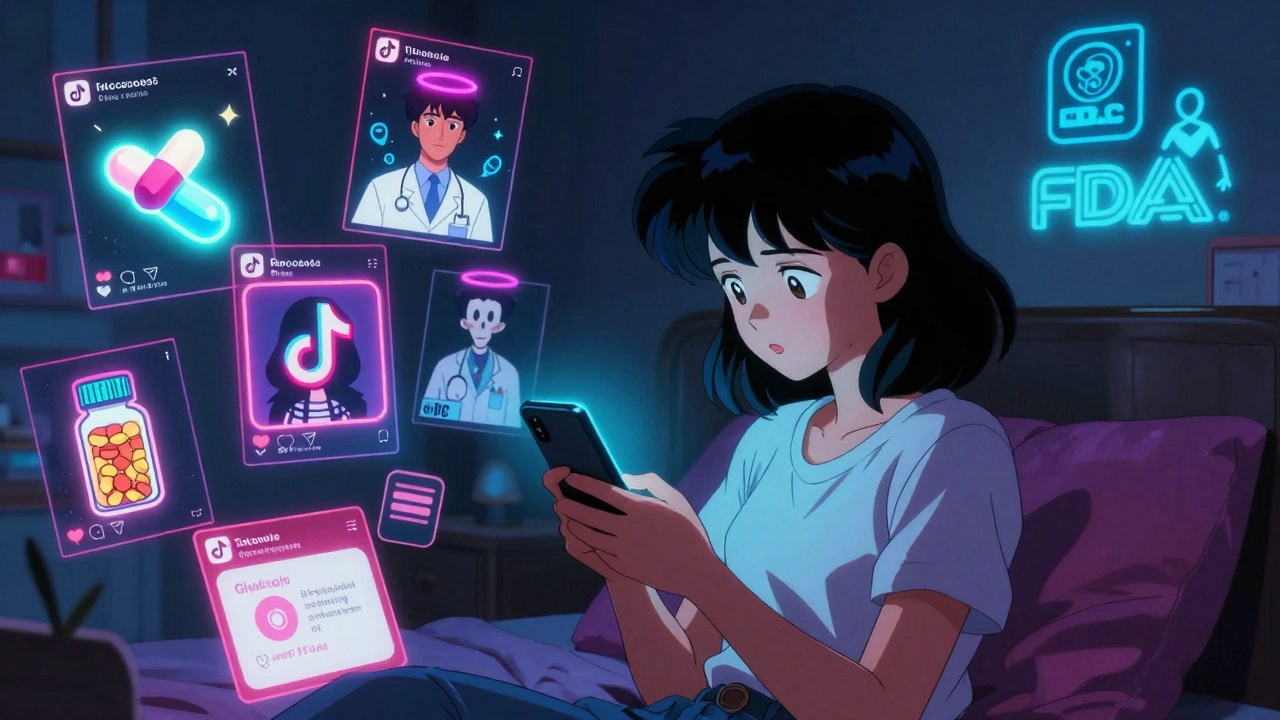
How to Recognize Unsafe Medication Advice on Social Media
Learn how to spot dangerous medication advice on social media before it harms you or someone you love. Real red flags, verified sources, and simple steps to stay safe online.