Social Media Health Tips: Real Advice That Actually Works
When it comes to social media health tips, practical advice shared on platforms like Instagram, TikTok, and Facebook that claims to improve well-being. Also known as digital health advice, it can range from helpful lifestyle hacks to dangerous myths that spread faster than real science. You’ve probably seen posts promising weight loss in days, miracle cures for chronic pain, or supplements that "detox" your body. But how much of it is real? The truth is, most of these tips aren’t backed by evidence—and some can actually hurt you.
Behind the flashy videos and before-and-after photos, there are real health misinformation, false or misleading health claims spread online, often by non-experts. Also known as health myths, it thrives because it’s simple, emotional, and fits neatly into a 15-second clip. Think: "Drink lemon water to cure acne" or "Stop taking your blood pressure meds because a TikTok influencer said so." These aren’t harmless. People have ended up in the ER because they trusted a stranger’s opinion over their doctor. And it’s not just about dangerous advice—it’s about what’s missing. You won’t see posts about the 12-week wait for a specialist, the cost of prescriptions, or how hard it is to stick to a diet when you’re working two jobs. Real health isn’t Instagram-perfect.
But not all wellness on social media, the use of social platforms to share health, fitness, and mental well-being content. Also known as online wellness culture, it includes both the good and the bad—community support, evidence-based routines, and honest struggles. is bad. Some accounts run by licensed pharmacists, dietitians, and physical therapists give clear, practical tips you can trust. Like how to safely store expired inhalers, why sleep meds aren’t a long-term fix, or how ceramides actually help eczema. These aren’t viral trends—they’re science-based, tested, and repeatable. The difference? They don’t sell you a product. They explain why it works—or why it doesn’t.
What you’ll find here isn’t another list of "10 hacks to glow up." It’s a collection of real, tested advice pulled from posts that actually help people manage chronic conditions, avoid dangerous drug interactions, and make smarter choices about their meds. You’ll learn how to spot when a health tip is a scam, what to do when a drug safety alert pops up, and why some "miracle" supplements do nothing for your heart. These aren’t random tips—they’re the kind of info you’d get from a pharmacist who’s seen too many people hurt by online advice. And if you’ve ever scrolled through health content and felt confused, overwhelmed, or scared—you’re not alone. The right info is out there. You just need to know where to look.
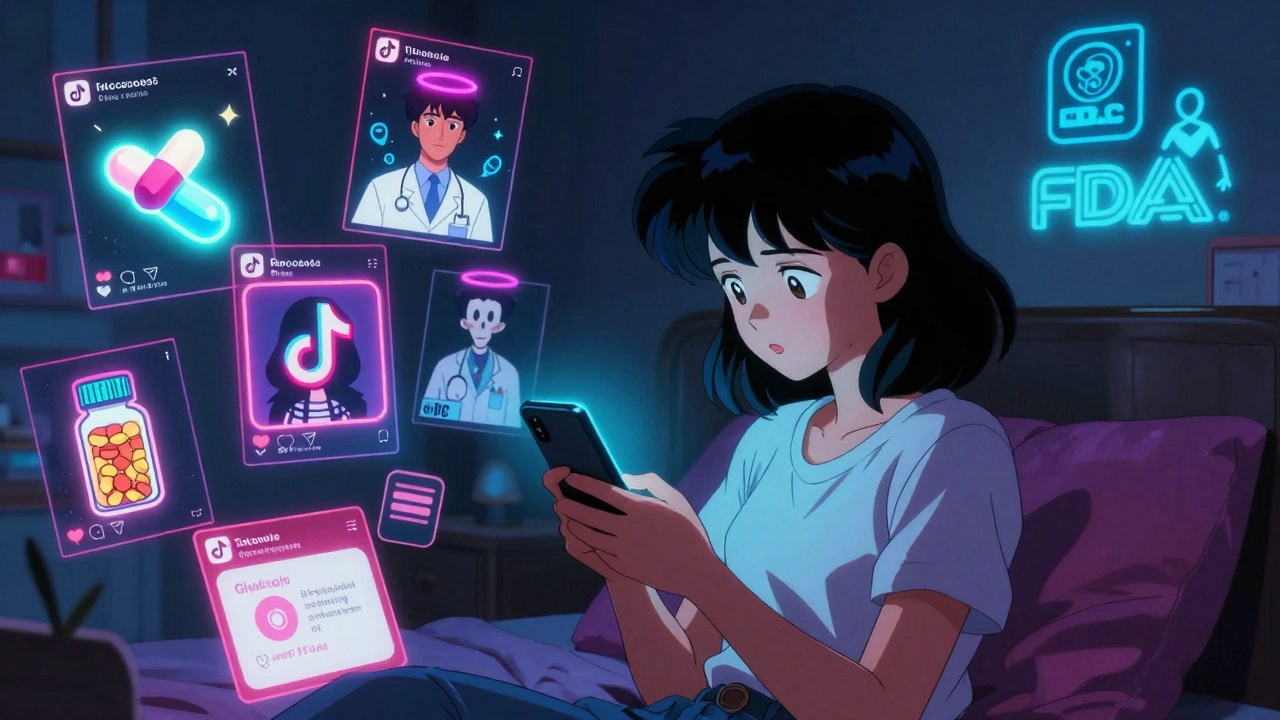
How to Recognize Unsafe Medication Advice on Social Media
Learn how to spot dangerous medication advice on social media before it harms you or someone you love. Real red flags, verified sources, and simple steps to stay safe online.