Safe Medicine Disposal: How to Get Rid of Unused Drugs Without Risk
When you have leftover pills, expired antibiotics, or old painkillers sitting in your medicine cabinet, safe medicine disposal, the proper way to discard unused pharmaceuticals to prevent harm to people and the environment. Also known as drug disposal, it's not just about cleaning out your bathroom shelf—it's about stopping poison from reaching kids, pets, rivers, and even your own future self. Flushing pills down the toilet or tossing them in the trash might seem easy, but it’s dangerous. The EPA estimates that over 90% of Americans keep unused medications at home, and nearly half say they’ve never thought about how to get rid of them. That’s not laziness—it’s ignorance. And ignorance kills. In 2022, the CDC reported over 70,000 overdose deaths in the U.S. alone, many from pills that were never properly stored or disposed of. These aren’t just statistics. They’re neighbors, friends, family members who got hold of meds meant for someone else.
Here’s the thing: pharmaceutical waste, unused or expired drugs that enter the environment through improper disposal doesn’t vanish. It ends up in water supplies. A 2020 study by the U.S. Geological Survey found traces of antidepressants, birth control, and antibiotics in 80% of tested rivers and streams. Fish are changing sex. Microplastics are mixing with drug residues. And yes, your tap water might carry traces of what you flushed last year. But you don’t need to live in fear. You just need to know your options. medication safety, the practice of using, storing, and discarding drugs correctly to avoid harm starts with disposal. It’s not just about keeping your house tidy—it’s about protecting your community.
So what do you actually do? First, check if your pharmacy or local police station runs a drug take-back program. These are free, secure, and approved by the DEA. Many towns have drop boxes in parking lots or community centers. If that’s not an option, the FDA says you can mix pills with dirt, coffee grounds, or cat litter in a sealed bag and throw them in the trash—never leave them in their original bottle. Remove labels to protect your privacy. And never, ever flush unless the label says to (only a few opioids like fentanyl patches qualify). You don’t need a science degree. You just need to act. The posts below show you how real people handle this—from college students clearing out dorm meds to seniors sorting through years of prescriptions. You’ll find step-by-step guides, real-life mistakes to avoid, and how to talk to your pharmacist about disposal without feeling awkward. This isn’t a chore. It’s a responsibility. And you’re already doing the right thing by reading this.
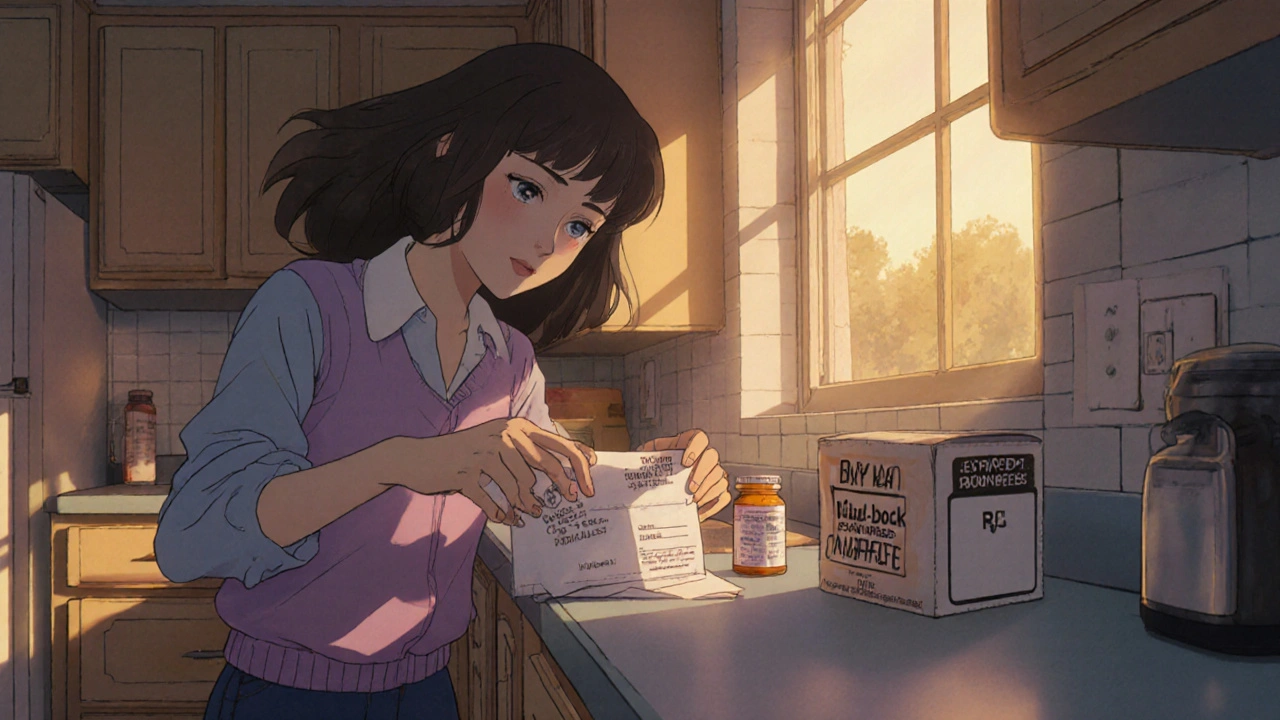
Prepaid Drug Mail-Back Envelopes for Medication Disposal: How They Work and Where to Get Them
Prepaid drug mail-back envelopes let you safely dispose of expired or unused medications by mail. Learn how they work, what you can send, where to get them, and why they're the safest option for home disposal.