Safe Medication Storage: Keep Your Pills Secure and Effective
When you think about safe medication storage, the practice of keeping pharmaceuticals in conditions that preserve their potency and prevent accidental access or misuse. Also known as drug storage safety, it's not just about putting bottles in a cabinet—it’s about protecting your family, your health, and your money. Many people don’t realize that heat, humidity, and light can turn your pills into useless—or even harmful—substances. A bottle of insulin left on a sunny windowsill? It’s ruined. A child finding grandma’s painkillers? That’s an emergency room visit waiting to happen.
childproof storage, a system designed to prevent accidental ingestion by children and pets isn’t optional. The CDC reports over 50,000 poisonings in U.S. kids under six every year—most from meds left within reach. Even if you think your child can’t open a bottle, many can. And don’t assume your meds are safe just because they’re in the bathroom. That humid air? It breaks down tablets and capsules faster than you’d think. The best place? A cool, dry spot—like a bedroom drawer or locked box—away from the sink and shower.
medication expiration, the point at which a drug is no longer guaranteed to be effective or safe matters too. That bottle of antibiotics from last winter? If it’s been sitting in a hot car or a steamy bathroom, it might not work when you need it. And some drugs, like nitroglycerin or epinephrine, can become dangerous if they degrade. Always check the label. If it’s expired or looks discolored, cracked, or smells odd—don’t risk it. Pharmacies often have take-back programs. Use them.
And what about sharing meds? That’s not just unsafe—it’s illegal. Your headache pill might be someone else’s seizure medication. Even if it seems harmless, mixing prescriptions without medical guidance can cause serious reactions. That’s why medicine safety, the broader practice of using, storing, and disposing of drugs correctly to avoid harm includes never sharing bottles, keeping an updated list of everything you take, and knowing what each pill is for.
Here’s the truth: most people don’t think about how they store their meds until something goes wrong. But it’s not a matter of "if"—it’s a matter of "when." A kid finds a bottle. A pet knocks over a drawer. A pill loses potency. These aren’t rare accidents—they’re predictable. And they’re preventable.
You don’t need fancy gadgets. You don’t need to spend a fortune. Just lock it up. Keep it dry. Check the dates. And teach everyone in your home what’s in those bottles and why they matter. The posts below show real examples of what happens when storage fails—and how to fix it before it’s too late. From how to handle insulin in summer heat to why your old painkillers might be worse than useless, you’ll find clear, no-fluff advice that actually works.
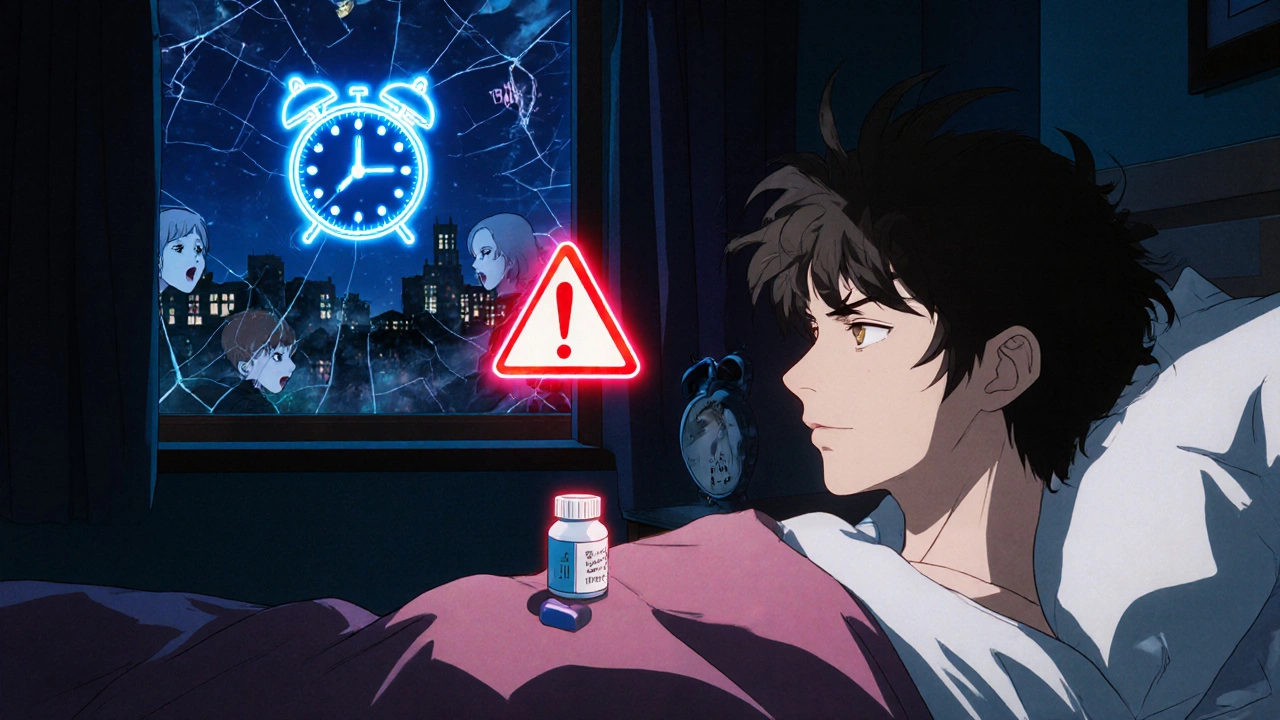
Medication Safety for College Students and Young Adults: What You Need to Know
Prescription drug misuse is rising among college students, especially stimulants like Adderall. Learn why it happens, the real risks, and what you can do to stay safe - from proper storage to knowing where to dispose of unused meds.