Non-Formulary Generics: What They Are and Why They Matter
When your pharmacy tells you a drug is non-formulary generics, generic medications not included in your insurance plan’s approved list. Also known as off-formulary generics, these are real, FDA-approved versions of brand-name drugs that your insurer won’t pay for—usually because they’re cheaper alternatives the plan didn’t prioritize. It doesn’t mean they’re unsafe. It just means your plan chose to cover other generics first, often because of deals with manufacturers or outdated policies.
Most insurance plans have a formulary, a list of preferred drugs they cover at lower costs. Preferred generics sit on that list. Non-formulary generics, the same drugs but left off the list. Off-formulary options might be cheaper out-of-pocket than the formulary version, or they might be newer generics your insurer hasn’t reviewed yet. Either way, you’re stuck paying full price unless you appeal or switch plans. This isn’t about quality—it’s about contracts. A drug maker might pay a rebate to get their generic on the formulary, leaving other equally effective versions behind.
Why does this matter to you? Because you could be overpaying for a drug that’s identical to one your insurer won’t cover. For example, if your plan covers atorvastatin but not rosuvastatin, and your doctor prescribes the latter because it works better for you, you’ll pay more. But if you ask your pharmacist, you might find a different brand of rosuvastatin that’s priced lower than the formulary drug. Some people save hundreds a year just by asking: "Is there a non-formulary version that costs less than the one you’re pushing?"
It’s also why knowing your pharmacy’s tier system helps. Tier 1 = cheap, covered. Tier 4 = expensive, often non-formulary. But sometimes, the non-formulary drug is actually cheaper than the tier 1 option after you factor in copays and discounts. That’s why checking prices at different pharmacies matters—some will sell the same non-formulary generic for less than your insurance copay on the "preferred" version.
You’re not alone in this. Millions of people pay out-of-pocket for non-formulary generics every year. Some do it because their doctor recommends a specific brand. Others do it because they’ve tried the formulary version and had side effects. And some just want to avoid the hassle of prior authorizations. The key is to treat your drug list like a shopping list—not just what’s on sale, but what actually works for you.
Below, you’ll find real-world guides on how to spot fake generics, cut costs safely, compare drug alternatives, and understand how your insurance decides what to cover. These aren’t theoretical articles. They’re written by people who’ve been stuck with a $200 bill for a pill that should’ve cost $15. You’ll learn how to ask the right questions, when to push back, and how to get the same results without paying more.
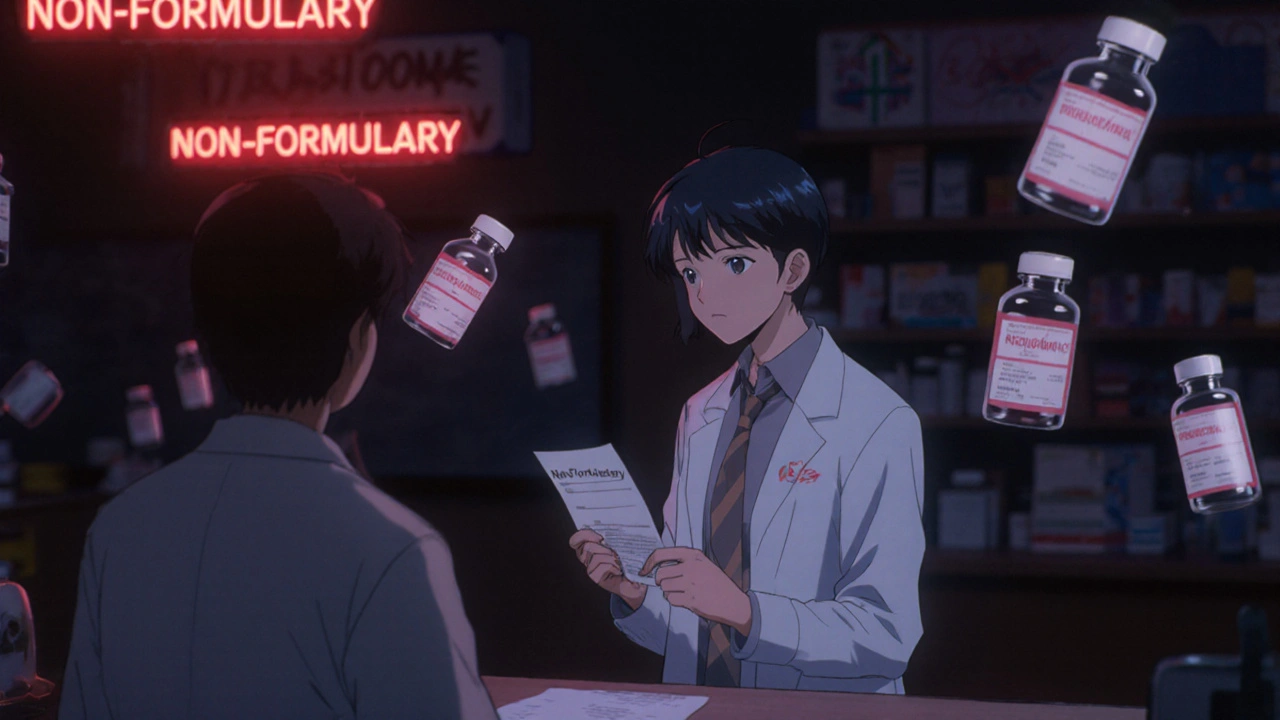
Non-formulary generics: what to do when coverage is denied
When your insurance denies coverage for a generic drug, you're not out of options. Learn how to appeal a non-formulary denial, what documentation your doctor needs, and how to get your medication fast-even if the system says no.