Mail-Back Medication: How to Safely Return Unused Drugs and Protect Your Health
When you have leftover pills sitting in your medicine cabinet, you’re not just holding onto extra drugs—you’re holding a risk. mail-back medication, a safe, postal-based system for returning unused or expired pharmaceuticals. Also known as take-back programs, it lets you send old prescriptions back to licensed facilities where they’re destroyed properly, instead of flushing them down the toilet or tossing them in the trash. This isn’t just about cleaning out clutter. It’s about stopping accidental poisonings, preventing drug abuse, and keeping harmful chemicals out of our water supply.
Why does this matter? Over 100 million prescriptions go unused every year in the U.S. alone. Many of those are painkillers, anti-anxiety meds, or antibiotics—drugs that can be deadly if taken by someone else. Kids find them. Teens experiment with them. Pets get into them. And when you flush them, they end up in rivers, lakes, and even drinking water. medication safety, the practice of using, storing, and disposing of drugs correctly to avoid harm starts long before you take your first pill. It ends when you properly get rid of what’s left. take-back programs, official channels where pharmacies, hospitals, or mail services collect unused drugs for safe disposal are the simplest, most reliable way to do that. No driving to a drop-off site. No waiting in line. Just seal, label, and mail.
Not all drugs can go through mail-back, though. Controlled substances like opioids or stimulants often need special handling. But most pills, capsules, patches, and liquids are accepted. You’ll get a pre-paid envelope from your pharmacy, a hospital, or a government program. Put the meds inside—no need to remove labels. Seal it. Drop it in the mailbox. Done. No one will know what you sent. No one will judge. And your home becomes a safer place.
These programs also help reduce pharmaceutical waste, unused or expired drugs that end up in landfills or water systems, posing environmental and health risks. Landfills leak. Water treatment plants can’t filter out every chemical. Animals get sick. Fish develop tumors. Kids grow up with hormones in their water. Mail-back stops that chain before it starts. It’s not a fancy solution. It’s not expensive. It’s just smart.
What you’ll find below are real, practical guides on how to use these systems, what to do if your pharmacy won’t help, how to spot scams pretending to be take-back programs, and how to handle medications when you’re on a tight budget or live in a rural area. You’ll learn how to protect your family from accidental overdoses, how to dispose of old antibiotics without risking resistance, and why keeping unused painkillers around is a bigger danger than you think. These aren’t theory pieces. These are step-by-step instructions from people who’ve been there.
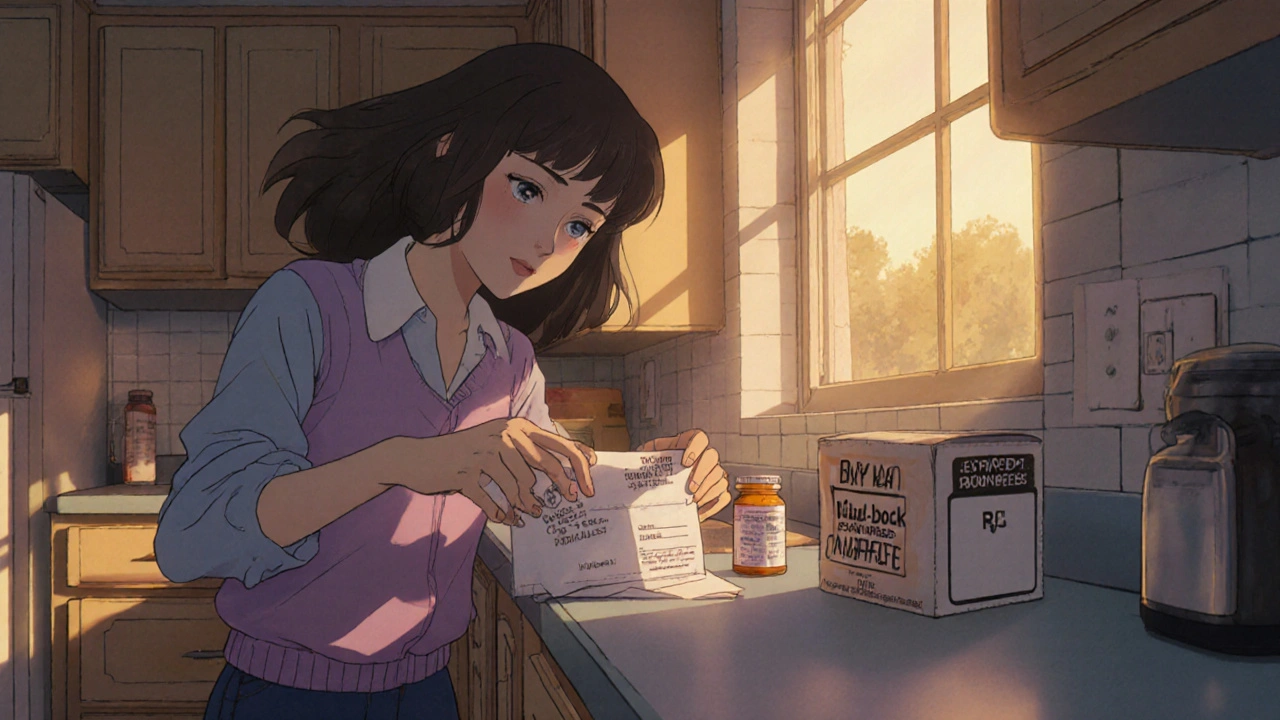
Prepaid Drug Mail-Back Envelopes for Medication Disposal: How They Work and Where to Get Them
Prepaid drug mail-back envelopes let you safely dispose of expired or unused medications by mail. Learn how they work, what you can send, where to get them, and why they're the safest option for home disposal.