Insurance Coverage Denied: What to Do When Your Medication Isn't Covered
When your insurance coverage denied, a common but frustrating outcome when a health plan refuses to pay for a prescribed drug. Also known as a drug prior authorization denial, it happens more often than most people realize—especially for newer, brand-name, or specialty medications. This isn’t just a paperwork issue. It’s a health issue. If you’re on a medication that controls your blood pressure, manages your diabetes, or helps with depression, a denial can force you to stop treatment, switch to something less effective, or pay hundreds out of pocket.
Behind every denial is a system built on cost-control, not patient care. Insurers often require prior authorization, a process where your doctor must prove the drug is medically necessary before the plan will pay. This can delay treatment by days or weeks. They may also push you toward cheaper alternatives—even if those alternatives don’t work for you, or cause worse side effects. Some plans list drugs on a formulary, a restricted list of approved medications. If your drug isn’t on it, you’re out of luck unless you fight back.
You’re not powerless here. Many people give up after the first denial, but 40% of appeals are successful when done right. Start by asking your pharmacist for a copy of the denial letter—it’ll tell you exactly why your claim was rejected. Then call your doctor. They can file a letter of medical necessity, often with supporting lab results or past treatment records. If that doesn’t work, file a formal appeal with your insurer. Most plans have a 60-day window. Don’t wait. And if you’re still stuck, contact your state’s insurance commissioner’s office. They have teams that help patients navigate these denials for free.
There’s also a simpler fix many don’t know about: switching to a generic. A lot of denials happen because the insurer wants you to try a cheaper version first. If your prescription is for a brand-name drug like Samsca or Actonel, ask if a generic version exists. Often, it’s the same active ingredient, same effectiveness, and 80% cheaper. Your pharmacist can help you compare options fast.
And if your medication is for a chronic condition—like diabetes, heart failure, or OCD—your denial might be part of a bigger pattern. Insurers are more likely to block drugs that require long-term use, especially if they’re expensive. That’s why posts on this page cover cost-saving strategies, generic alternatives, and how to work with your pharmacist to find safe, affordable options. You’ll find real-world examples: how people got Tadora or ranolazine covered after denial, how others switched from Himcolin to statins after insurance refused, and how patients using clonidine or empagliflozin fought back successfully.
What you’ll find here isn’t theory. It’s what real people did when their insurance said no. You’ll learn how to read denial letters, what phrases to use when calling your insurer, when to escalate to a supervisor, and how to use your doctor’s office as your advocate. This isn’t about beating the system—it’s about making sure the system works for you.
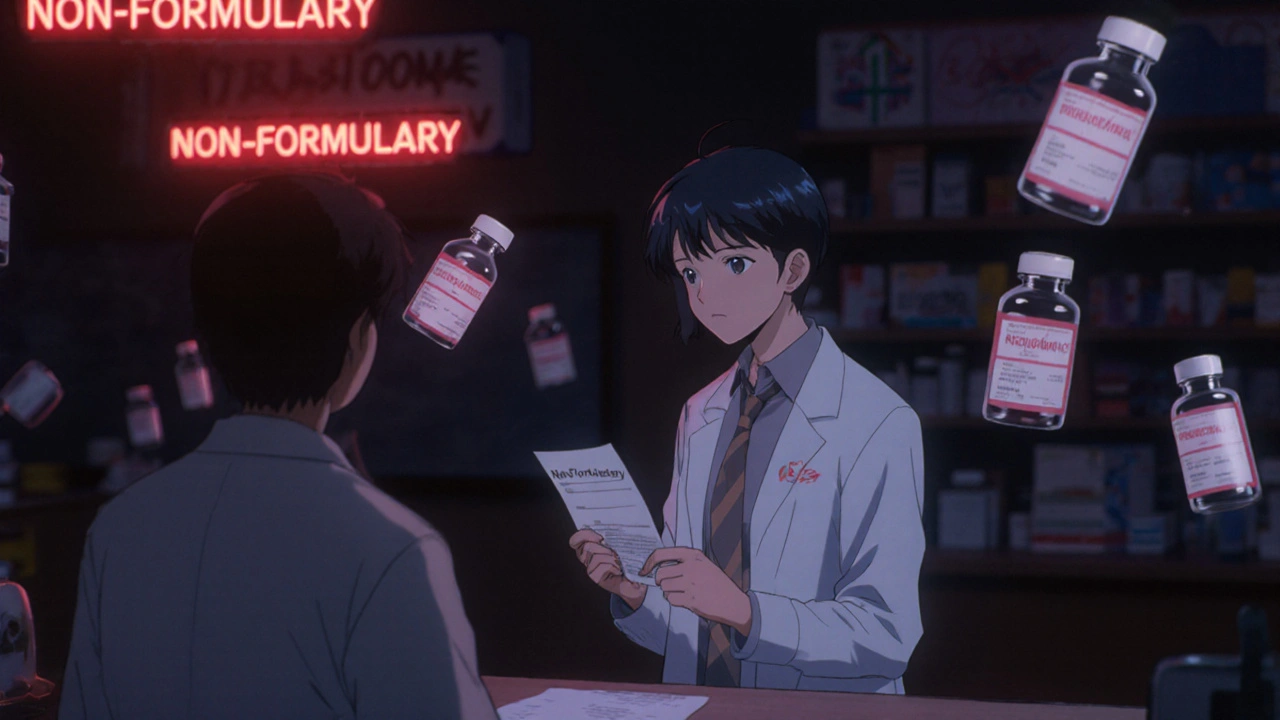
Non-formulary generics: what to do when coverage is denied
When your insurance denies coverage for a generic drug, you're not out of options. Learn how to appeal a non-formulary denial, what documentation your doctor needs, and how to get your medication fast-even if the system says no.