Health Misinformation: How to Spot False Claims and Stay Safe
When you search for help with a health problem, you don’t just want answers—you want health misinformation, false or misleading claims presented as medical facts that can lead to harm. Also known as medical misinformation, it shows up in social media posts, YouTube videos, and even well-meaning friends who swear by a miracle cure. The problem isn’t just that it’s wrong—it’s that it often sounds convincing. You see before-and-after photos, testimonials from people who claim they’re ‘cured,’ and influencers with degrees in something totally unrelated to medicine. But real health advice doesn’t come from Instagram influencers. It comes from peer-reviewed studies, licensed professionals, and transparent data.
False claims about drug safety, the risks and side effects of medications after they’re approved for public use are especially dangerous. One post might say an expired inhaler is still fine to use. Another claims fish oil will fix your heart disease. But we know from real-world tracking systems like FAERS and Sentinel that side effects don’t always show up until thousands of people are using a drug. That’s why post-marketing surveillance matters. And when someone tells you a generic pill is fake just because it looks different, they’re not helping—they’re spreading fear. trusted health info, evidence-based, clearly sourced medical guidance from reliable institutions doesn’t rely on emotion. It shows you the data: who studied it, how many people were involved, and whether the results were replicated.
Health misinformation doesn’t just trick people—it exploits them. It preys on fear, desperation, and lack of access to real care. It turns simple questions like ‘What should I take for my headache?’ into life-or-death decisions based on a viral TikTok. But you can fight back. Learn how to check if a study is real, spot red flags in product labels, and understand when a ‘natural remedy’ is just sugar and hype. You’ll find guides here on how to verify generic medicines, what to do after a drug safety alert, and how to tell if a supplement’s claims hold up. These aren’t theory pieces—they’re tools you can use tomorrow to protect yourself and your family.
Below, you’ll find real stories and clear advice from people who’ve been misled—and then found their way back to truth. From how to safely dispose of expired meds to why sleep aids aren’t the answer for chronic insomnia, every post here cuts through the noise. No fluff. No marketing. Just what works, what doesn’t, and how to know the difference.
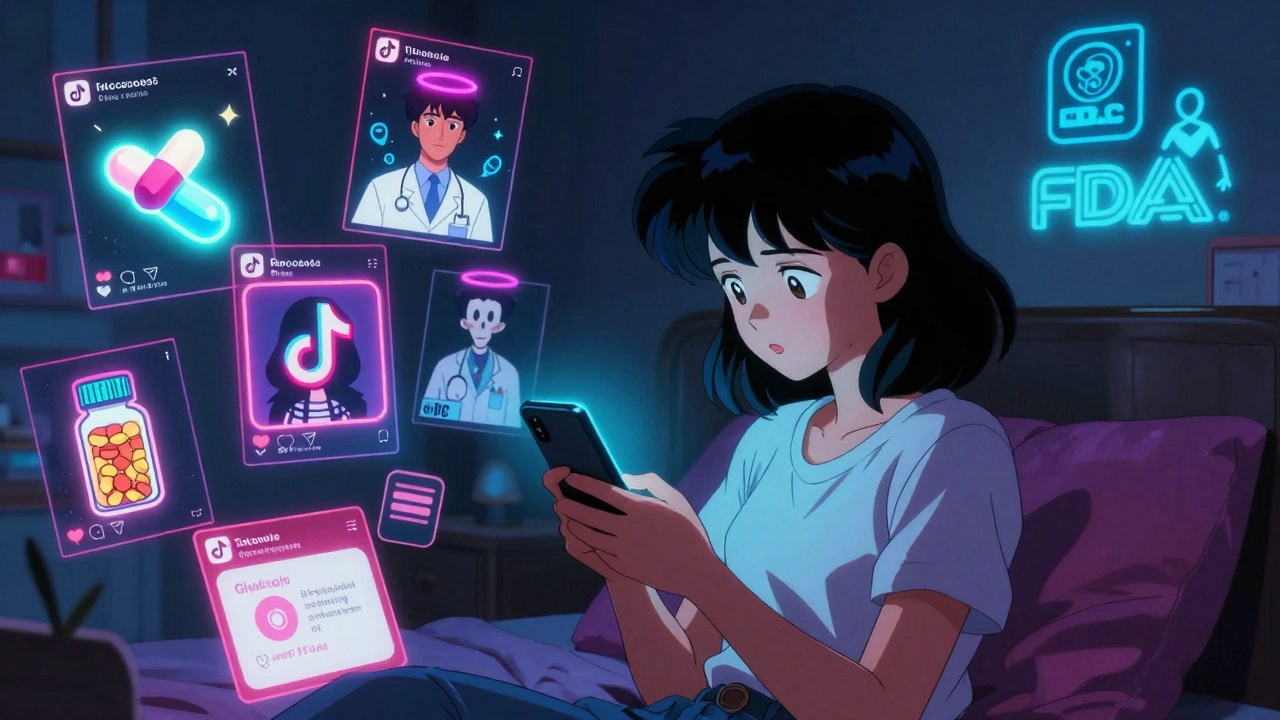
How to Recognize Unsafe Medication Advice on Social Media
Learn how to spot dangerous medication advice on social media before it harms you or someone you love. Real red flags, verified sources, and simple steps to stay safe online.