Generic Medicine Verification: How to Spot Real vs Fake Drugs
When you buy a generic medicine, a lower-cost version of a brand-name drug with the same active ingredient, dosage, and effect. Also known as generic drugs, they’re meant to save you money without cutting corners on safety. But not all generics are created equal. Fake or poorly made versions flood markets worldwide, and many people can’t tell the difference—until it’s too late.
Real generic medicine verification, the process of confirming a drug’s origin, ingredients, and manufacturing standards isn’t just for pharmacists. It’s something every patient should know. Look at the packaging: real generics have clear labeling, batch numbers, expiration dates, and tamper-evident seals. Counterfeit pills often have blurry text, misspellings, or colors that don’t match the real thing. Some fake drugs contain no active ingredient at all. Others have too much—or the wrong—chemicals. The drug safety, the system of ensuring medications work as intended and don’t harm users depends on you asking questions and checking sources.
You don’t need a pharmacy degree to protect yourself. Start by buying from licensed pharmacies only. If you’re ordering online, check if the site requires a prescription and lists a physical address. Avoid websites that sell pills without a doctor’s note or promise miracles. The generic drug authenticity, proof that a medication is what it claims to be, made under regulated conditions is tied to where you get it. Trusted sources like VikingPharmacy.com don’t just sell drugs—they help you verify them. And when you’re unsure, talk to your pharmacist. They can check batch records, compare packaging, and even contact the manufacturer if something looks off.
Why does this matter? Because taking a fake generic for high blood pressure, diabetes, or infection can kill you. There’s no warning label on counterfeit pills. No recall notice. Just silence until your body reacts. Real generic medicine verification isn’t paranoia—it’s prevention. It’s checking the pill’s imprint, comparing it to official databases, and knowing your medication’s normal look and feel. You wouldn’t buy a car without checking the VIN. Don’t take a pill without checking its identity.
Below, you’ll find real-world guides on how to spot dangerous imitations, what to do if your insurance denies coverage for a generic, how to safely dispose of unused meds, and how to use telehealth and patient advocacy to get the right drugs without risking your health. These aren’t theory pieces—they’re tools you can use today to make sure what’s in your medicine cabinet is safe, legal, and effective.
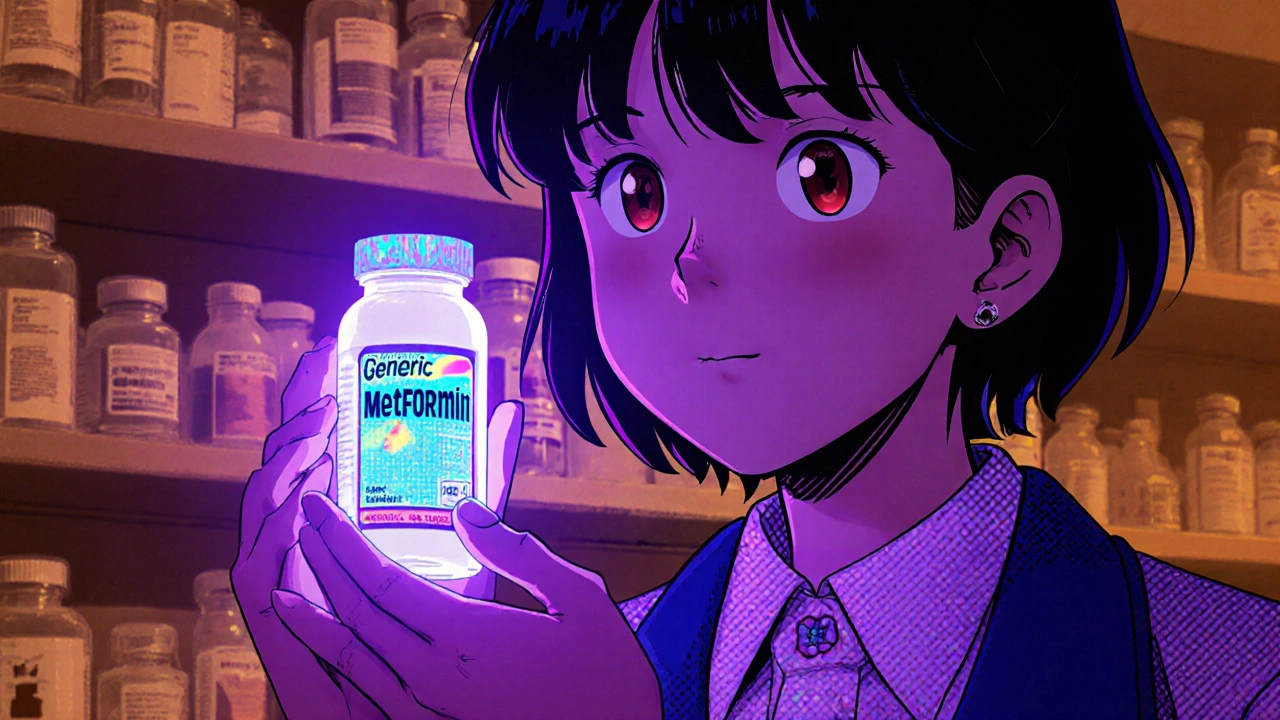
Packaging and Labeling: How to Verify the Authenticity of Generic Medicines
Learn how to spot counterfeit generic medicines by checking packaging, using UV lights, and understanding spectroscopy. Protect yourself from fake drugs that can cause serious harm.