Expired Topical Medications: What Happens When They Go Bad
When you find an old tube of expired topical medications, topical drugs like creams, gels, or ointments applied to the skin for conditions like eczema, infections, or pain. Also known as out-of-date skin treatments, these products are meant to deliver a precise dose of medicine—until they aren't. That expiration date isn’t just a suggestion. It’s the last day the manufacturer guarantees the drug will work as intended and stay safe to use.
Many people assume that if a cream still looks fine, it’s still good. But that’s not true. Active ingredients in topical medications break down over time, especially when exposed to heat, light, or moisture. A steroid cream that once calmed your rash might now do nothing—or worse, trigger a reaction. Antibiotic ointments can lose their power to fight infection, leaving you vulnerable. Even something as simple as hydrocortisone can become less effective after its expiration date, meaning you’re wasting time and money applying something that no longer works.
There’s also the risk of contamination. Once opened, topical products are exposed to bacteria from your fingers, the air, or your skin. Over time, those germs can grow, especially in water-based formulas. Using a contaminated cream on broken skin could lead to an infection you didn’t have before. This isn’t theoretical—there are documented cases of skin infections linked to expired or improperly stored topical drugs.
What about storage? Keeping your creams in the bathroom? That’s a bad idea. Humidity and temperature swings from showers and sinks speed up degradation. The best place is a cool, dry drawer—not the medicine cabinet above the sink. And never keep them in the car. Heat above 77°F can ruin many formulations in just days.
If you’re unsure whether a topical medication is still safe, check the color, smell, and texture. If it’s changed—separated, discolored, or smells off—pitch it. Don’t guess. You wouldn’t eat expired canned food. Don’t treat your skin any differently.
So what do you do with the old stuff? You don’t flush it. You don’t throw it in the trash where kids or pets might find it. The safest way is through a prepaid drug mail-back envelope, a secure, government-approved method to return unused or expired medications by mail. Also known as medication disposal envelopes, these let you send expired creams and ointments to licensed facilities that destroy them safely. Some pharmacies and community programs offer these for free. If you can’t get one, mix the cream with kitty litter or coffee grounds in a sealed container before tossing it—this makes it unappealing and unusable.
And here’s something most people miss: even if a topical drug hasn’t expired yet, it may be useless if you’ve had it for more than a year after opening. Many manufacturers don’t list an open-use date, but most topical products lose potency after 6 to 12 months of being opened. Write the opening date on the tube with a marker. That way, you know when to replace it.
The bottom line? Expired topical medications aren’t just outdated—they’re risky. They might not work. They might hurt you. And they definitely aren’t worth the gamble. The posts below show you how to spot unsafe products, what alternatives exist, how to dispose of them properly, and how to avoid ending up with expired drugs in the first place. You’ll find real advice from people who’ve been there, and the facts that keep you safe without the fluff.
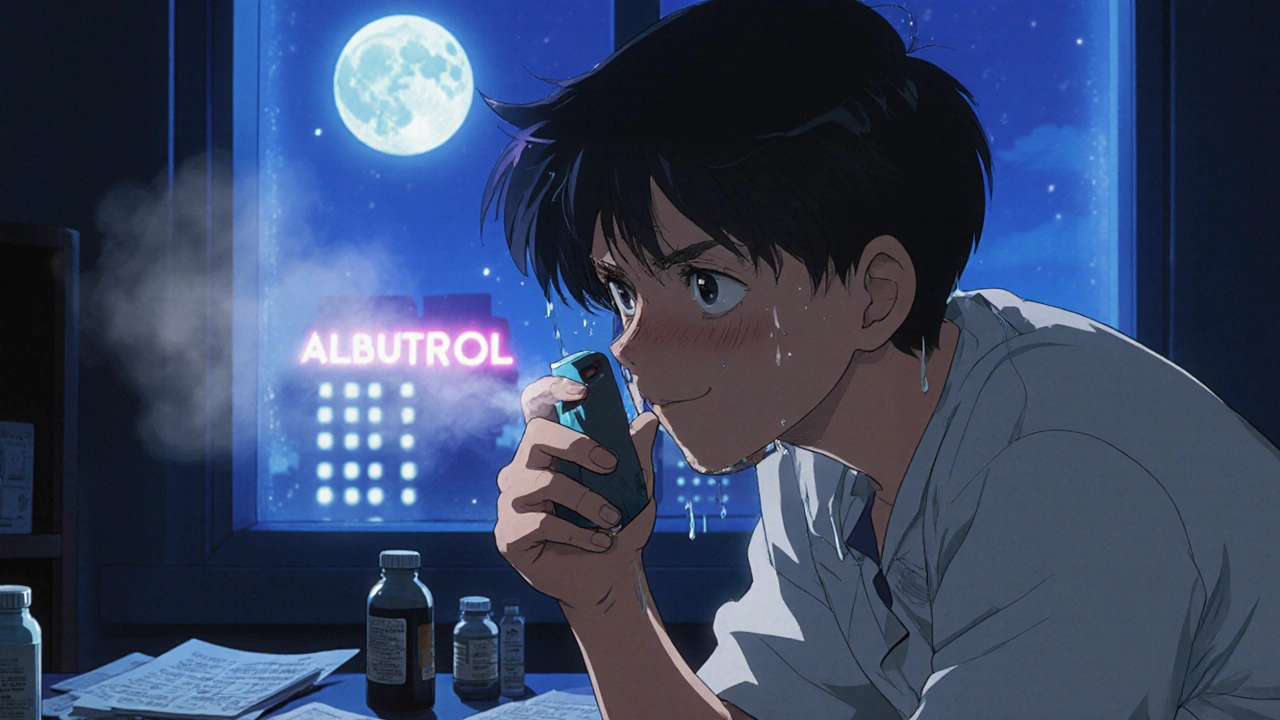
How to Safely Manage Expired Inhalers, Eye Drops, and Topical Medications
Expired inhalers, eye drops, and topical medications can be dangerous or ineffective. Learn how to safely dispose of them and when to replace them to protect your health and the environment.