Expired Pills Disposal: Safe Ways to Get Rid of Old Medications
When you find old pills sitting in a medicine cabinet, expired pills disposal, the process of safely getting rid of unused or outdated medications to prevent harm and environmental contamination. Also known as pharmaceutical waste management, it’s not just about cleaning out clutter—it’s about stopping accidental poisonings, drug abuse, and water pollution. Most people don’t realize that flushing pills down the toilet or tossing them in the trash can end up in rivers, drinking water, or the hands of kids and pets. The expired pills disposal methods you use matter more than you think.
It’s not just about the pills themselves. medication safety, the practice of using, storing, and disposing of drugs correctly to avoid harm starts long before you take a pill. It includes knowing when a drug loses effectiveness, how to store it properly, and what to do when it’s past its date. drug disposal, the official and safe removal of pharmaceuticals from homes and facilities is regulated for a reason. In the U.S., the FDA and EPA have clear guidelines because improper disposal leads to real health risks—like teens finding old painkillers in the bathroom cabinet, or fish in local streams showing signs of hormonal disruption from flushed antidepressants.
You don’t need a special trip to a pharmacy to dispose of most meds. Many communities offer drug take-back programs, often at local police stations or pharmacies. These are free, secure, and environmentally safe. If that’s not available, mix pills with coffee grounds or cat litter in a sealed container before throwing them in the trash. Never crush pills unless instructed—some are time-release and can become dangerous if broken. And no, flushing is only okay for a very short list of high-risk drugs like fentanyl patches. Most others? Don’t do it.
Why does this keep coming up in our posts? Because pharmaceutical waste, unused or expired medications that enter the environment through improper disposal is a silent problem. It’s in the same category as checking expiration dates on insulin, storing antibiotics away from heat, or knowing how to handle leftover opioids after surgery. Our collection of posts covers everything from how to spot counterfeit drugs to why college students need to know how to dispose of unused stimulants. This isn’t about being paranoid—it’s about being smart.
What you’ll find below are real, practical guides from people who’ve dealt with this firsthand. Whether you’re cleaning out a parent’s medicine cabinet, managing chronic illness, or just trying to keep your home safe, these posts give you the exact steps to follow—no jargon, no fluff. You’ll learn what’s safe to throw away, what needs special handling, and how to protect your family while doing the right thing for the planet.
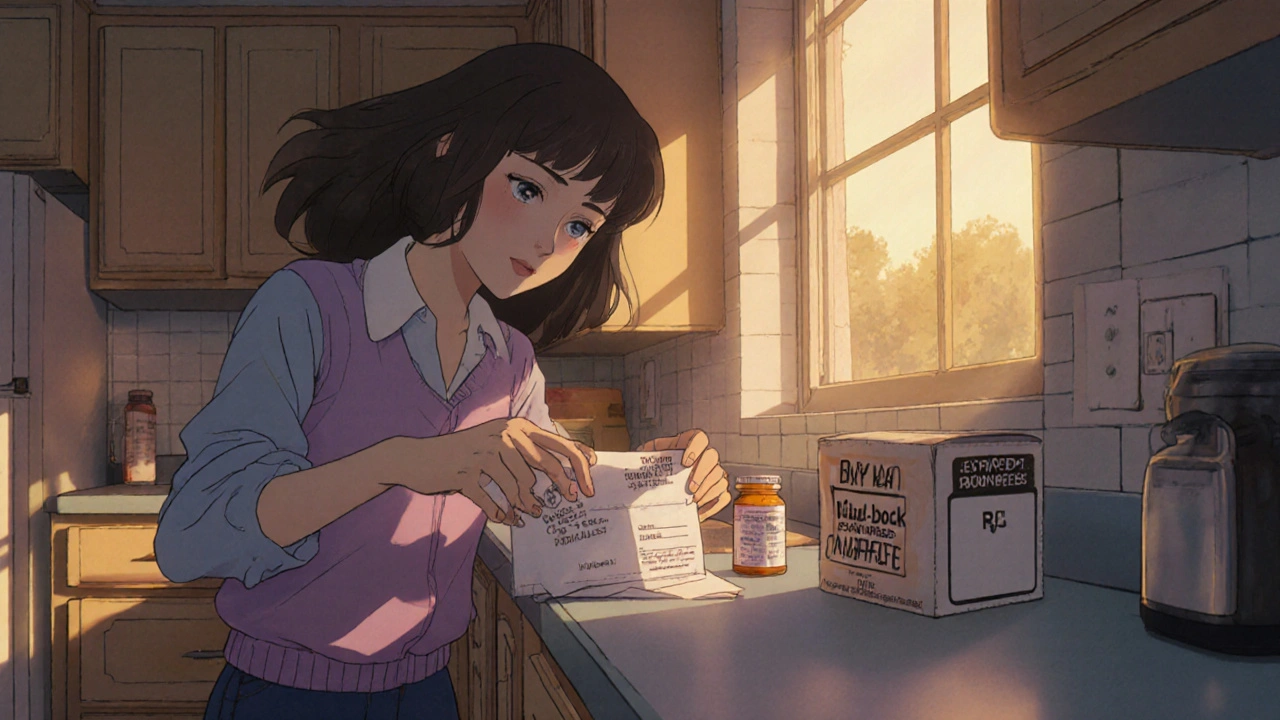
Prepaid Drug Mail-Back Envelopes for Medication Disposal: How They Work and Where to Get Them
Prepaid drug mail-back envelopes let you safely dispose of expired or unused medications by mail. Learn how they work, what you can send, where to get them, and why they're the safest option for home disposal.